

Every morning, before the sun rises, a familiar scene plays out outside temp agencies and street corners across the country. Men and women gather, clutching coffee cups with shaking hands, hoping to get picked for a few hours of work. For many, this daily grind feels less like a job hunt and more like being trapped in a day labor dungeon of alcohol and cigarettes—a cycle where the only relief from brutal physical labor comes from cheap beer and a pack of smokes.
If you’ve ever felt stuck in this loop, you’re not alone. The combination of unstable income, exhausting work, and easy access to quick escapes like alcohol and tobacco creates a powerful trap. But here’s the truth: you can get out. This article will show you how to recognize the trap, understand why it’s so hard to leave, and take real, practical steps toward a healthier, more stable future.
What Is the “Day Labor Dungeon of Alcohol and Cigarettes”?
Let’s break down that phrase. It’s not a literal dungeon, of course. But for thousands of temporary workers, it feels just as confining.
- Day Labor: Short-term, physically demanding jobs—construction, moving, landscaping, warehouse sorting. You get paid daily, but there’s no security, no benefits, and no guarantee of tomorrow’s work.
- Alcohol: After 8–10 hours of lifting, digging, or cleaning, your body aches. A beer or a shot numbs the pain and helps you “relax.” But it also disrupts sleep, dehydrates you, and makes the next morning’s 5 AM wake-up call brutal.
- Cigarettes: A smoke break is often the only scheduled rest during a day labor shift. Nicotine gives a temporary focus boost and suppresses appetite (handy when lunch money is tight). But it drains your wallet—$10–15 a day adds up to $300–450 a month.
The dungeon is the cycle: work sore, drink to sleep, smoke to cope, wake up hungover, go back to the agency, repeat. Breaking out requires understanding how these three elements lock together.
Why This Cycle Is So Hard to Escape (And Why It’s Not Your Fault)
Before we talk solutions, let’s drop the shame. You didn’t choose this because you’re lazy or weak. You’re surviving in a system designed for short-term fixes, not long-term success.
1. The Paycheck-to-Paycheck Trap
Most day labor pays minimum wage or slightly more. After a 6-hour shift, you might walk away with $50–70. That’s just enough for:
- A room in a shared motel or shelter ($25–40/night)
- Food ($10–15)
- Alcohol and cigarettes ($15–20)
Notice there’s nothing left for savings, work boots, or a bus pass to a better job. You’re running on a hamster wheel.
2. Physical Pain Begins for Relief
When your back screams after shoveling gravel for 7 hours, alcohol feels like medicine. It dulls the pain receptors in your brain. The problem? Alcohol is a diuretic and an inflammatory. So while you feel less pain temporarily, your muscles actually recover slower. You show up the next day more sore than before.
3. Cigarettes as “Workplace Currency”
On many day labor sites, smokers get more breaks. Non-smokers often keep working while others stand around. Also, sharing a cigarette is a quick way to bond with crew leaders or other workers who might vouch for you tomorrow. That social pressure is real.
4. Withdrawal Makes Everything Worse
Try quitting cold turkey when you’re already exhausted and stressed. Nicotine withdrawal causes irritability, anxiety, and brain fog. Alcohol withdrawal can be dangerous (shakes, rapid heartbeat, even seizures). Without medical support or paid time off, quitting feels impossible.
Real Stories: How Two People Escaped the Same Dungeon
Let’s look at real examples (names changed for privacy).
Marcus, 44, former construction temp: “I spent three years in the day labor dungeon of alcohol and cigarettes. I’d wake up with my hands shaking, need a beer just to stop the shakes, then a cigarette to wake up. The agency guys knew—they’d send me home if I smelled too strong. One day, a church outreach program offered a free 5-day detox bed. I took it. After the physical withdrawal passed, I could think clearly. I applied for a dishwashing job at a hospital—steady hours, no heavy lifting. That was six years ago. Now I’m a kitchen supervisor.”
Elena, 38, former warehouse sorter: “I smoked two packs a day because everyone else did. I drank cheap vodka at night so my knees wouldn’t ache. What broke me was doing the math: $400 a month on cigarettes, $200 on alcohol. That’s $7,200 a year. That’s a used car. That’s first and last month’s rent on an apartment. I switched to nicotine patches (free from a county health clinic) and replaced my nightly drinks with ibuprofen and a hot shower. Within two weeks, I had energy to look for a permanent janitorial job. I’m still working, but now I have a paycheck every Friday, not just when they pick me.”
7 Actionable Steps to Break Free (Starting Today)
You don’t need to fix everything at once. Small changes create momentum. Pick one or two from this list.
Step 1: Track Your “Dungeon Spending” for One Week
Get a small notebook or use a notes app. Every time you buy alcohol or cigarettes, write down the amount. At the end of the week, add it up. Then multiply by 52. That’s your yearly escape fund. Example: $10/day on cigarettes + $8/day on beer = $18/day × 5 days a week = $90/week × 52 = $4,680/year.
Step 2: Replace, Don’t Just Remove
Your brain craves the ritual. Instead of quitting both at once:
- Swap every other cigarette with gum, a toothpick, or a 2-minute walk.
- Replace one evening beer with sparkling water, herbal tea, or even a non-alcoholic beer (fewer calories, same ritual).
Step 3: Use Free or Low-Cost Withdrawal Support
- Nicotine: Many US states offer free quitlines (call 1-800-QUIT-NOW). They mail you patches or lozenges for free.
- Alcohol: If you’ve been drinking daily for months, do not quit suddenly without medical help. Withdrawal can be dangerous. Go to a county health clinic or an emergency room and say, “I need help withdrawing from alcohol safely.” They can give you medication (like Librium) to prevent seizures.
Step 4: Change Your Day Labor Agency (Or Shift Your Approach)
Not all temp agencies are equal. Look for one that:
- Offers weekly pay (reduces the daily cash-in-hand temptation)
- Has a “safety net” program (some give small advances for work boots or bus passes)
- Places workers in manufacturing or hospitality (less physically destructive than construction)
Pro tip: Ask other workers which agency sends people to indoor jobs with set breaks. Less dust, less heat/cold, and often a no-smoking policy that helps you cut back.
Step 5: Build a “Tomorrow Morning” Ritual
The worst part of the dungeon is waking up feeling terrible. Try this for 3 days:
- Lay out your clothes and water bottle the night before.
- Set an alarm 15 minutes earlier than usual.
- When you wake up, drink a full glass of water before you do anything else.
- Eat a banana or a granola bar (even if you’re not hungry). Low blood sugar mimics hangover symptoms.
Step 6: Find One Non-Work Identity
The dungeon convinces you that you are a hungover laborer. Break that by doing one small thing each week that has nothing to do with work or substances. Examples:
- Visit a library for 30 minutes (free, quiet, air-conditioned).
- Walk to a park and feed birds.
- Call a family member you haven’t spoken to in months.
This reminds your brain that you exist outside the cycle.
Step 7: Aim for “Stable Adjacent” Jobs
You don’t need a college degree to escape day labor. Target jobs that offer:
- Set schedules (e.g., night janitor, grocery stocker, hotel housekeeping)
- Weekly or biweekly pay
- Employer-sponsored health insurance (covers addiction treatment)
Many hospitals, universities, and school districts hire for entry-level roles with benefits. Use a free computer at a library to apply. If you don’t have an email address, create one at Gmail—it takes 10 minutes.
The Hidden Costs of Staying in the Dungeon (Beyond Money)
We talk about dollars, but the real price is paid in body and spirit.
| Area | Short-Term Effect | Long-Term Risk |
|---|---|---|
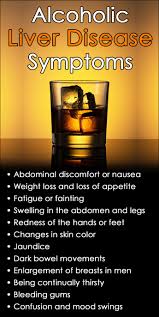
| Physical health | Back pain, dehydration, poor sleep | Liver disease, COPD, heart attack, stroke |
| Mental health | Irritability, anxiety, hopelessness | Depression, alcohol use disorder, early dementia |
| Social | Isolation, strained relationships, missed family events | Homelessness cycle, loss of child custody |
| Financial | No savings, high daily spending | Debt, no retirement, no emergency fund |
You deserve more than just surviving each day. You deserve to live.
FAQ: Your Questions About Escaping the Day Labor Cycle
Q1: Can I really quit cigarettes and alcohol at the same time while doing physical labor?
Not recommended. Choose one to reduce first—usually cigarettes, because nicotine withdrawal peaks in 3 days and then drops. Alcohol withdrawal can last longer and be medically risky. Cut back on drinking slowly (one fewer beer per night each week). If you feel shaky or confused, see a doctor immediately.
Q2: What if I don’t have health insurance for addiction treatment?
You still have options. Federally funded community health centers (find one at findahealthcenter.hrsa.gov) offer sliding-scale fees—sometimes $0–20 per visit. Also, many cities have harm reduction programs that provide nicotine patches and alcohol counseling for free. Call 211 (United Way) and ask for “substance use support for low-income adults.”
Q3: How do I find a day labor agency that pays weekly instead of daily?
Ask directly: “Do you offer weekly pay or a pay card?” Also search online for “light industrial temp agency” rather than “day labor.” Light industrial jobs (packing, assembly, machine operation) usually pay weekly and have indoor, less punishing conditions. Examples: Staffmark, Aerotek, Labor Ready (now TrueBlue) has weekly options in some branches.
Q4: I’ve tried quitting before and failed. What’s different this time?
Nothing—and that’s okay. Relapse is part of recovery, not a failure. The difference is having a plan for when cravings hit. Write down three things you’ll do instead of buying a pack or a bottle:
- Walk 10 minutes in any direction.
- Call or text a support person (even a voicemail helps).
- Drink cold water slowly for 60 seconds (cravings usually pass within that time).
Also, keep a “relapse note” in your pocket: “Last time I relapsed because I was alone and tired. This time I’ll go to a library or a shelter day room first.”
Strong Conclusion: You Hold the Key to Your Own Dungeon Door
The day labor dungeon of alcohol and cigarettes feels like a life sentence. The walls are made of morning hangovers, aching joints, and the jingle of change in your pocket after another short shift. But here’s what the dungeon doesn’t want you to remember: you are not the bricks. You are the person standing inside.
Every person who has escaped—and thousands have—started with one small, unglamorous choice. Maybe it was drinking water instead of beer for one night. Maybe it was asking a clinic for a nicotine patch. Maybe it was showing up to a different temp agency that pays weekly.
You don’t need to be perfect. You just need to be persistent. Track your spending, use free resources, and give yourself credit for every single day you show up—even the hard ones.
The door out of the dungeon isn’t locked. It’s just heavy. Put your shoulder into it. One push. Then another. You’ve already done harder work for less pay. This time, the payoff is your whole life.








Leave a Reply