
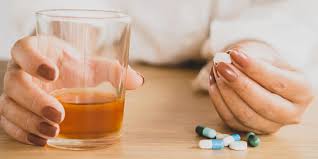
You’ve just left the doctor’s office with a prescription for antibiotics. You’re feeling run down, maybe battling a sinus infection or a stubborn case of bronchitis. Then the weekend arrives, and with it, a friend’s birthday dinner or a wedding toast.
You pause, holding your glass. Is this safe?
You’re not alone. The question of whether you can mix alcohol consumption with antibiotics is one of the most common dilemmas in medicine. Walk into any pharmacy, and you’ll hear people whispering, “Can I have just one beer?” Walk into any party, and you’ll find someone confidently declaring, “My doctor said a little wine is fine.”
So who is right?
In this article, we’ll cut through the myths and give you the clear, evidence-based truth. You’ll learn which antibiotics are dangerous with alcohol, why the combination can backfire, and exactly how long you should wait before drinking. By the end, you’ll know how to protect your recovery without becoming a social hermit.
Let’s settle this once and for all.
The Old Wives’ Tale vs. The Medical Reality
You’ve probably heard the warning: “Never mix alcohol with antibiotics—you’ll get violently ill.” For some antibiotics, that’s absolutely true. For others, the risk is more subtle but still significant.
The confusion started decades ago when doctors noticed that patients taking certain antibiotics (like metronidazole) would become severely sick after even small amounts of alcohol. That fear spread to all antibiotics, creating a blanket rule that isn’t entirely accurate—but isn’t entirely wrong either.
Here’s the reality: Alcohol consumption with antibiotics is never a good idea, but the level of danger depends on the specific medication you’re taking.
Why Mixing the Two Is Risky: The Science Simplified
To understand the risk, you need to know what happens inside your body when you take antibiotics and then drink alcohol.
Your Liver Gets a Double Shift
Both alcohol and most antibiotics are processed by your liver. When you introduce both at the same time, your liver has to work overtime. Think of it like a single cashier at a busy grocery store. Normally, that cashier can handle one line of customers (alcohol OR antibiotics) just fine. But when both lines merge and double in size, everything slows down.
This slowdown means:
- Antibiotics stay in your system longer at lower-than-ideal concentrations
- Alcohol stays in your blood longer, intensifying its effects
- Toxic byproducts can build up, leading to nausea and liver stress
Your Immune System Takes a Hit
Antibiotics are already working hard to fight bacteria. Alcohol suppresses your immune system—sometimes for up to 24 hours after just one or two drinks. When you combine alcohol consumption with antibiotics, you’re essentially sending mixed signals to your body: “Fight the infection, but also deal with this toxin.”
Studies show that heavy drinking can reduce white blood cell activity by up to 50%. That’s the last thing you want when you’re trying to recover from an infection.
Dehydration and Gut Disruption
Alcohol is a diuretic (it makes you pee more), and antibiotics often cause diarrhea or digestive upset. Together, they can leave you severely dehydrated. Plus, alcohol irritates the stomach lining, which can worsen the nausea that many antibiotics already cause.
The Dangerous Duo: Antibiotics That Absolutely Do Not Mix with Alcohol
While avoiding alcohol is wise during any antibiotic course, some combinations are genuinely dangerous. These medications trigger a “disulfiram-like reaction” when mixed with alcohol.
Metronidazole (Flagyl)
This is the most famous offender. Used for dental infections, bacterial vaginosis, and some stomach ulcers, metronidazole blocks an enzyme called aldehyde dehydrogenase. Normally, this enzyme breaks down alcohol into harmless compounds. When it’s blocked, a toxic substance called acetaldehyde builds up in your blood.
The result: Within minutes of drinking, you may experience:
- Severe vomiting and nausea
- Throbbing headaches
- Chest palpitations and shortness of breath
- Flushing (red, hot skin)
- Sweating and weakness
This reaction is so unpleasant that doctors sometimes prescribe metronidazole to alcoholics to discourage drinking. Do not test this. Even alcohol from mouthwash or cough syrup can trigger symptoms.
Tinidazole (Tindamax)
Similar to metronidazole, tinidazole causes the same severe reaction. Avoid alcohol for at least 72 hours after your last dose.
Cefotetan and Other Cephalosporins
Some cephalosporin antibiotics (like cefotetan, cefoperazone, and cefamandole) also block aldehyde dehydrogenase. The reaction is less predictable than with metronidazole, but it can be just as severe.
Linezolid (Zyvox)
This antibiotic is used for serious infections like pneumonia and MRSA. Linezolid doesn’t cause the disulfiram reaction, but it interacts dangerously with certain alcoholic beverages—especially those containing tyramine, like beer, red wine, and sherry. The combination can spike your blood pressure to dangerous levels.
Doxycycline
Used for acne, Lyme disease, and respiratory infections, doxycycline is a special case. Alcohol doesn’t cause a severe reaction, but it significantly reduces the drug’s absorption. One study found that chronic drinking can cut doxycycline’s effectiveness by up to 50%.
Lower-Risk (But Still Not Recommended) Combinations
For most other common antibiotics—like amoxicillin, azithromycin (Z-Pak), ciprofloxacin, and levofloxacin—alcohol consumption with antibiotics doesn’t cause a dramatic toxic reaction. However, that doesn’t mean it’s safe.
Here’s why you should still skip the drink:
| Effect | What Happens |
|---|---|
| Increased side effects | Dizziness, drowsiness, and nausea become worse |
| Slower recovery | Alcohol impairs immune function and sleep quality |
| Medication non-adherence | You might forget a dose if you’re drinking |
| Misdiagnosis | Alcohol symptoms (fatigue, flushing) can be confused with allergic reactions |
Real-life example: Sarah was taking amoxicillin for strep throat. She had two glasses of wine at a dinner party, felt fine that night, but woke up with severe stomach cramps and diarrhea. She stopped taking her antibiotics because she assumed they were causing the problem. Her strep infection returned a week later, requiring a stronger antibiotic. The alcohol didn’t directly interact with the amoxicillin—but the combined gut irritation made her quit treatment early.
How Long Should You Wait? A Clear Timeline
This is the most practical question, and the answer varies by medication.
General Rule of Thumb
- While taking antibiotics: Zero alcohol is safest
- After finishing the course: Wait at least 48–72 hours
- For metronidazole or tinidazole: Wait a full 72 hours after your last dose
Why the Waiting Period Matters
Your body needs time to completely clear both substances. Antibiotics stay in your system for several days after your last pill—their “half-life” determines how long they remain active. Drinking too soon can still trigger side effects or reduce the tail end of your treatment.
Tip: Mark your calendar. If your last pill is on a Tuesday, consider Friday the earliest safe day to drink—and only if you’re on a low-risk antibiotic.
5 Practical Tips for Managing Social Situations
You don’t have to announce your medical history to every friend with a bottle opener. Here’s how to navigate parties, dinners, and happy hours while on antibiotics.
1. Have a “Go-To” Line Ready
Practice saying something simple and confident:
- “I’m on medication right now, so I’m sticking with water.”
- “Doctor’s orders—no alcohol this week.”
- “I’m doing a dry week for my health.”
Most people won’t push further. If they do, a calm “I’d rather not get into it” works perfectly.
2. Bring Your Own Mocktail
Sparkling water with lime and a splash of cranberry looks just like a cocktail. Ginger beer (non-alcoholic) in a copper mug feels festive. You’ll still have a glass in your hand, and no one will ask questions.
3. Eat First
Food slows alcohol absorption. If you do decide to drink (on a low-risk antibiotic), never do so on an empty stomach. But honestly, just eat the appetizers and skip the booze.
4. Read Labels Carefully
Some “non-alcoholic” beers contain up to 0.5% alcohol. Mouthwashes, cough syrups, and even some vanilla extracts contain alcohol. On high-risk antibiotics like metronidazole, even these small amounts can trigger a reaction.
5. Tell Your Doctor the Truth
If you know you have a wedding or vacation coming up, tell your prescribing doctor. They may be able to choose a different antibiotic that doesn’t interact as severely with alcohol. Never hide your drinking habits from a medical professional.
Special Populations: When “Just One Drink” Is Never OK
Some people face higher risks from alcohol consumption with antibiotics, even with “safe” combinations.
People with Liver Disease
If you have hepatitis, fatty liver disease, or cirrhosis, your liver already struggles to process medications. Adding alcohol—even a small amount—can accelerate liver damage. Talk to your hepatologist before taking any antibiotic.
People with a History of Alcohol Use Disorder
For individuals in recovery, even the taste or smell of alcohol can trigger cravings. Additionally, the sedation and lowered inhibitions from mixing substances can lead to relapse. Be honest with your doctor about your history.
Older Adults
As we age, our livers work more slowly. Older adults also take more medications, increasing the risk of dangerous interactions. The standard “48-hour wait” may need to be longer for people over 65.
What the Research Actually Says
Let’s look at the data so you can make an informed choice.
- A 2020 review in the Journal of Clinical Pharmacology found that while only a handful of antibiotics cause severe disulfiram reactions, alcohol consumption with antibiotics increases the risk of treatment failure by 18–27% across all classes.
- A study of 1,200 outpatients showed that people who drank even moderately while on antibiotics were 3x more likely to miss doses or stop treatment early.
- Animal studies demonstrate that alcohol reduces the penetration of certain antibiotics into lung tissue, meaning respiratory infections take longer to clear.
The bottom line? Even when a direct toxic reaction isn’t possible, alcohol indirectly harms your recovery.
Frequently Asked Questions (FAQ)
1. Can I have one glass of wine while taking amoxicillin?
Technically, amoxicillin does not cause a severe chemical reaction with alcohol. However, both substances can cause stomach upset, nausea, and dizziness. One glass of wine might make you feel worse, slow your recovery, and lead to dehydration. Most doctors recommend avoiding alcohol entirely until you finish the course—but if you do drink, stick to a single serving and monitor how you feel.
2. How long after finishing antibiotics can I drink alcohol?
For most antibiotics, wait at least 48–72 hours after your last dose. For metronidazole or tinidazole, wait a full 72 hours. This ensures the medication has cleared from your system and your liver has recovered. When in doubt, ask your pharmacist for the specific half-life of your medication.
3. What happens if I accidentally drink alcohol while on metronidazole?
Stop drinking immediately. You may experience nausea, vomiting, flushing, headache, and rapid heartbeat within minutes to an hour. Drink plenty of water, rest, and monitor your symptoms. If you have trouble breathing, chest pain, or severe vomiting, seek emergency care. Contact your doctor to report the reaction—they may adjust your treatment plan.
4. Does alcohol make antibiotics less effective?
For most antibiotics, alcohol doesn’t directly destroy the medication. However, it can make them less effective in three ways: (1) by causing you to miss doses (if you’re drunk or hungover), (2) by impairing your immune system, and (3) by causing vomiting that expels the medication before it’s absorbed. For doxycycline and erythromycin, alcohol specifically reduces absorption.
5. Can I use alcohol-based hand sanitizer while on antibiotics?
Yes, topical alcohol (on your skin) does not enter your bloodstream in significant amounts. However, avoid alcohol-based mouthwashes if you’re taking metronidazole or tinidazole, as the alcohol can be absorbed through the mucous membranes in your mouth.
6. What about non-alcoholic beer or wine?
“Non-alcoholic” beverages can contain up to 0.5% alcohol by volume. For most people on standard antibiotics, this is negligible. But if you’re taking metronidazole, tinidazole, or linezolid, even 0.5% can trigger a reaction. Read labels carefully or skip them entirely during treatment.
Conclusion: Your Health Comes First
Let’s be honest: The real question isn’t “Can I get away with drinking?” It’s “Do I want the best possible recovery?”
Alcohol consumption with antibiotics is a gamble you don’t need to take. For a small number of medications, it’s genuinely dangerous—causing severe vomiting, heart problems, and dangerous blood pressure spikes. For the rest, it’s a recipe for slower healing, worse side effects, and a higher chance of quitting your medication early.
You’ve already taken the smart step of researching the risks. Now take the even smarter step: Give your body the cleanest possible environment to fight the infection. That means water, rest, nutritious food—and saving the celebration drink for the day you’re officially healthy again.
Your simple checklist:
- ✅ Check your antibiotic name against the “dangerous” list
- ✅ Avoid all alcohol until 48–72 hours after your last pill
- ✅ Stay hydrated and eat well
- ✅ Be honest with your doctor about your plans
- ✅ When in doubt, choose mocktails
Your infection will clear faster. Your side effects will be milder. And that first drink you have after you’re fully recovered? It will taste so much better knowing you made the right call.




Leave a Reply