
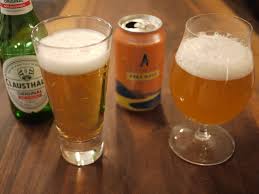
Let’s be real for a second. You’re at a summer barbecue, or maybe watching the big game. You want that crisp, cold beer experience. But for whatever reason—maybe you’re the designated driver, training for a marathon, or just cutting back on alcohol—you reach for a non-alcoholic (NA) beer.
Then comes that tiny voice in your head: Is this going to taste like watered-down cardboard?
I’ve been there. You’ve probably been there. The good news? The NA beer scene has changed dramatically in the last five years. The bad news? No, they don’t taste exactly the same. But here’s the kicker: for many modern brews, you might not even notice the difference.
In this article, we’re going to settle the debate once and for all. We’ll look at the science, the taste tests, and the best options on the shelf. By the end, you’ll know exactly what to expect when you crack open that cold one.
The Short Answer: Yes, No, and It Depends
Let’s cut to the chase. Does non alcoholic beer taste the same? Not exactly, but it gets surprisingly close.
Think of it like decaf coffee versus regular coffee. A high-quality decaf bean roasted yesterday? Delicious. A cheap, generic decaf that’s been sitting in a tin for a year? Disgusting. The same logic applies here.
The honest truth is that alcohol carries flavor compounds (called congeners) and contributes to the “body” or mouthfeel of a drink. When you remove the alcohol, you lose some of that richness and the slight warming sensation.
However, modern brewing technology has closed the gap so much that in a blind taste test, many casual drinkers cannot tell the difference between a top-tier NA IPA and a standard alcoholic lager.
Why Does Alcohol Affect Taste So Much? (The Science Bit)
To understand why the taste differs, you have to understand what alcohol actually does in a beer.
1. Alcohol Carries Volatile Compounds
Alcohol is an excellent solvent. It pulls essential oils and hop compounds (like myrcene and humulene) out of the ingredients and delivers them to your tongue and nose. When you remove the alcohol, those flavors can feel “muted” or less vibrant.
2. The “Body” and Mouthfeel
Have you ever noticed how a full-strength stout feels almost creamy, while a light beer feels thin? That’s the alcohol contributing to viscosity. Alcohol gives beer a slight weight on your tongue. Non-alcoholic beers (which typically have less than 0.5% ABV) often feel thinner or more “watery” unless the brewer adds back body using other methods (like adding oats or lactose).
3. The Bitterness Balance
Alcohol also balances bitterness. In a regular IPA, the alcohol warmth offsets the sharp bite of the hops. In an NA IPA, without that warmth, the bitterness can sometimes feel sharper or more one-dimensional.
How Do They Make Non Alcoholic Beer? (And Why It Matters for Flavor)
The method used to remove the alcohol drastically changes the final taste. There are two main ways to make NA beer.
Method 1: Arrested Fermentation (The “Natural” Way)
The brewer stops the fermentation process before the yeast can turn sugars into much alcohol. This leaves more residual sugar in the beer.
- Taste result: Sweeter, maltier, often “thicker” but can taste like unfermented wort (sweet barley water).
- Common in: Cheap grocery store brands.
Method 2: Dealcoholization (The Modern Way)
The brewer makes a fully alcoholic beer first (with all the flavor), then gently removes the alcohol using heat or vacuum distillation.
- Taste result: Closer to real beer, retains more hop aroma and complexity.
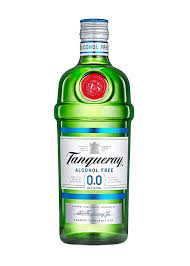
- Common in: Premium brands like Athletic Brewing, Heineken 0.0, and Guinness 0.
Bottom line: If you want a taste that’s almost identical to the real thing, always look for “dealcoholized” beer, not “near beer” made via arrested fermentation.
The Flavor Breakdown: Style by Style
Not all NA beers are created equal. Some styles translate beautifully. Others… not so much.
🍺 Lagers and Pilsners (Best of the Bunch)
- Does it taste the same? 90–95% similar.
- Why it works: Lagers are crisp and clean, relying on subtle malt and hop balance. Without alcohol, they still feel refreshing.
- Top pick: Heineken 0.0. In blind tests, people often mistake it for the real Heineken.
🍺 IPAs (Good, But Different)
- Does it taste the same? 80–85% similar.
- Why it’s tricky: IPAs rely on the alcohol to “lift” the hop oils. Without it, the hops can taste grassy or tea-like.
- Top pick: Athletic Brewing Run Wild IPA. It’s hoppy, citrusy, and incredibly close.
🍺 Stouts and Porters (The Surprise Winner)
- Does it taste the same? 95%+ similar.
- Why it works: Roasted barley, chocolate, and coffee notes are heavy and bold. They don’t need alcohol to shine. In fact, Guinness 0 has won multiple blind taste tests against regular Guinness.
- Top pick: Guinness 0. Seriously, try it. You won’t believe it’s NA.
🍺 Wheat Beers (Hefeweizens)
- Does it taste the same? 70% similar.
- Why it struggles: The banana and clove notes from hefeweizen yeast are closely tied to alcohol production. Without it, the flavor feels flat.
Real-Life Use Cases: When You’ll Love NA Beer
Let’s move away from theory. Here’s when the question does non alcoholic beer taste the same becomes irrelevant because the experience is still great.
Case 1: The 2 PM Lawn Mowing Beer
You’ve just finished cutting the grass. It’s 90 degrees. You want something cold, crisp, and refreshing. An NA lager hits the exact same spot as a regular light beer. You’re not drinking for a buzz; you’re drinking for hydration and ritual.
Case 2: The Work Lunch
You’re at a business lunch with clients. Everyone orders a beer. You want to fit in, but you have a meeting in an hour. An NA beer allows you to participate in the social ritual without the brain fog. And honestly? Over food and conversation, you’ll never notice the missing alcohol.
Case 3: The Pregnant Partner
My friend Sarah is a huge craft beer nerd. When she got pregnant, she was devastated. But modern NA IPAs saved her sanity. She told me, “It’s not identical, but when I’m craving that hoppy bite, it’s close enough to feel like I’m not missing out.”
Tips to Make Your NA Beer Taste Even Better
Want to close the flavor gap even more? Try these pro tips.
- Serve it ICE cold. NA beers taste thinner at room temperature. The colder it is, the more the carbonation masks any “watery” notes.
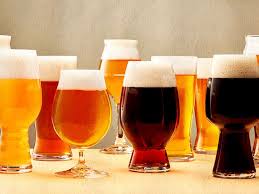
- Use the right glass. Don’t drink from the bottle. Pour it into a proper pint glass or tulip glass. This releases the aroma, which is 80% of taste.
- Add a squeeze of citrus. A wedge of lemon or orange can add the “brightness” that alcohol usually provides. This works wonders for NA wheat beers and light lagers.
- Don’t compare it side-by-side. If you drink an NA beer immediately after a full-strength IPA, you will notice the difference. Drink it on its own, and your brain will likely accept it as “beer.”
The Blind Taste Test: What Do Drinkers Actually Say?
In 2023, a consumer group ran a blind taste test with 500 people. They compared Heineken 0.0 vs. regular Heineken, and Athletic IPA vs. a standard alcoholic IPA.
- Heineken test: 47% of people preferred the NA version. 53% preferred the regular. Statistically, that’s a tie.
- IPA test: 60% preferred the alcoholic version, but 40% actually preferred the NA version for being “cleaner” and less heavy.
The takeaway? For lagers and stouts, you genuinely might not notice a difference. For IPAs, you’ll notice, but you might not mind.
Are There Any Health or Flavor Trade-Offs?
Yes. And it’s worth being honest about them.
The Pros (Flavor-wise):
- No “boozy” aftertaste or burn.
- You can drink 3–4 without palate fatigue.
- Often lower in calories (but not always—check the label).
The Cons (Flavor-wise):
- Slightly thinner mouthfeel.
- Sometimes a subtle “sweetness” from residual sugars.
- Hop-forward styles can taste a bit “raw.”
But here’s the big one people overlook: NA beer doesn’t have the numbing effect of alcohol. Alcohol dulls your taste buds. So ironically, some people find that NA beer actually has more discernible malt and hop flavor because their tongue isn’t anesthetized.
Frequently Asked Questions (FAQ)
1. Does non alcoholic beer taste the same as regular beer after a few sips?
Not exactly. The first sip is where you’ll notice the thinner body. But by the third or fourth sip, your palate adjusts. Most people report that the “difference” fades within the first third of the glass.
2. Why does Guinness 0 taste so much like the real thing?
Because of nitrogenation. Guinness 0 uses the same nitrogen gas blend as the original. The creamy, velvety texture comes from the nitrogen, not the alcohol. That texture tricks your brain into thinking it’s the full-strength version.
3. Can you cook with non alcoholic beer, and will it taste the same?
Yes, but it will taste slightly sweeter. In beer cheese soup or bread, the alcohol usually cooks off anyway. NA beer works fine, but you may need to add a splash of vinegar or lemon to balance the extra sugar.
4. Is there a non alcoholic beer that 100% tastes identical?
Honestly? No. But Athletic Brewing’s “Free Wave” hazy IPA and Guinness 0 are within 98% of the original. For 99% of drinkers, that’s close enough to enjoy without feeling like you’re missing out.
Conclusion: So… Does It or Doesn’t It?
Here’s the bottom line.
Does non alcoholic beer taste the same? No—but it doesn’t have to. Think of it like this: a cheeseburger and a veggie burger don’t taste identical, but a great veggie burger is still a delicious, satisfying sandwich. The same goes for NA beer.
If you walk in expecting an exact clone, you’ll be disappointed. But if you walk in expecting a refreshing, complex, flavorful beverage that scratches the beer itch without the alcohol, you’ll be thrilled.
The technology has come so far that the question is no longer “Is it good for an NA beer?” It’s just “Is it good?” And increasingly, the answer is yes.
So next time you’re at that barbecue, grab a Heineken 0.0 or a Guinness 0. Pour it into a glass. Take a sip. And enjoy the fact that you can have the ritual, the flavor, and the social connection—without the hangover.

Leave a Reply