

You just came home from a long week. Your partner pours you a glass of wine. You take a sip… and then freeze.
“Wait. Can I drink this? Will it get into my milk? How long do I have to wait to feed the baby?”
If you’re a breastfeeding mom, that moment of panic is completely normal. Every new mother has heard conflicting advice: “Pump and dump,” “Drink a beer to boost your supply,” or “Just don’t drink at all.”
So, let’s cut through the noise.
In this guide, you’ll learn exactly how long does alcohol stay in breastmilk, what factors change that timeline, and how to enjoy a social drink without risking your baby’s health.
H2: The Short Answer: Alcohol in Breastmilk Follows Your Blood Alcohol Level
Here’s the most important fact you need to remember:
Alcohol in breastmilk mirrors alcohol in your blood.
Unlike some medications that concentrate in milk, alcohol moves freely between your bloodstream and breastmilk. When your blood alcohol concentration (BAC) rises, your milk alcohol level rises. When your BAC falls, your milk clears.
So, how long does alcohol stay in breastmilk?
On average, a standard drink takes 2 to 3 hours to completely clear from breastmilk for a 120–150 lb woman. But that’s just an average. Let’s break it down.
H2: The Exact Timeline: How Many Hours Per Drink?
The clock starts from the beginning of your drink, not when you finish it.
| Number of Standard Drinks | Approximate Clearance Time |
|---|---|
| 1 drink | 2 – 3 hours |
| 2 drinks | 4 – 5 hours |
| 3 drinks | 6 – 8 hours |
| 4+ drinks | 10+ hours (not recommended) |
Note: A “standard drink” in the US = 14 grams of pure alcohol. That’s roughly 12 oz of 5% beer, 5 oz of 12% wine, or 1.5 oz of 40% spirits.
H3: Real-Life Example
Imagine you finish a glass of wine at 7:00 PM.
- At 7:30 PM, your milk alcohol peaks (same level as your blood).
- By 9:00 PM – 10:00 PM, most of the alcohol is gone.
- By 10:00 PM, your milk is usually safe again.
But wait—every body is different.
H2: 7 Factors That Change How Long Alcohol Stays in Breastmilk
You and your best friend could have the exact same drink, and your milk will clear at different speeds. Here’s why.
1. Your Body Weight
Smaller moms have less water volume to dilute alcohol. A 110 lb woman will clear alcohol slower than a 160 lb woman.
2. Food in Your Stomach
Drinking on an empty stomach spikes your BAC faster and keeps it higher longer. Eating a meal with fats and protein slows absorption significantly.
3. How Fast You Drink
Sipping one drink over 2 hours vs. gulping it in 15 minutes changes everything. Slow drinking = lower peak = faster clearance.
4. Your Metabolism
Genetics play a role. Some people metabolize alcohol faster due to liver enzyme activity.
5. Age (Yes, Really)
Younger moms (under 25) often metabolize alcohol slightly faster than older moms, but the difference is small.
6. Liver Health
Any liver condition (even mild fatty liver) slows alcohol processing.
7. Strength of the Drink
A 9% IPA is not the same as a 4% light lager. Higher alcohol content = longer clearance.
H2: “Pump and Dump” – Do You Really Need to Do It?
Let’s bust the biggest myth in breastfeeding.
No. You do NOT need to pump and dump after drinking alcohol.
Alcohol leaves breastmilk naturally as your blood alcohol level falls. Pumping does not remove alcohol faster. The only thing that removes alcohol is time.
When Should You Pump?
- If your breasts are full and painful while you’re waiting for the alcohol to clear, pump for comfort—but discard that milk.
- If you want to maintain your supply during a long waiting period, pump and discard.
- If you’re going to bed and don’t want to wake up engorged, pump and dump.
But please know: dumping milk is about comfort, not safety. The alcohol would have cleared on its own anyway.
H2: Can You Breastfeed After One Drink? The “Sober Enough to Drive” Rule
A practical rule used by lactation consultants is:
If you are sober enough to drive, you are sober enough to breastfeed.
Your BAC must be below 0.02–0.03% for driving (depending on your country). At that level, the amount of alcohol reaching your baby through milk is minuscule—less than what’s found in a ripe banana or a glass of orange juice.
But here’s the catch:
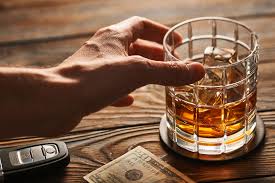
Your judgment might be impaired before your milk is truly “zero alcohol.” So the safest approach is to wait the full 2–3 hours per drink.
H2: How Alcohol Affects Your Baby (Even in Small Amounts)
Most studies focus on heavy, chronic drinking (e.g., daily binge drinking). That clearly harms babies: poor weight gain, sleep disturbances, and delayed motor development.
But what about one drink?
- Milk taste: Alcohol changes the taste of milk. Some babies nurse less or fuss afterward.
- Baby’s sleep: One study showed that babies nursed within 1 hour of mom having a drink slept 25% less total time.
- Milk let-down: Alcohol suppresses oxytocin. That means your milk might let down slower, frustrating a hungry baby.
So while one drink isn’t dangerous, it’s not neutral either. Many moms choose to wait.
H2: Smart Strategies for Breastfeeding Moms Who Want a Drink
You don’t have to become a teetotaler. Here’s how to do it safely.
1. Feed First, Then Drink
Nurse your baby immediately before you have your drink. That buys you 2–3 hours before the next feeding.
2. Store Expressed Milk Ahead of Time
Keep a small stash of alcohol-free breastmilk in the fridge. If baby gets hungry while you’re waiting, you have a safe backup.
3. Choose Lower-Alcohol Drinks
A 4% beer clears faster than a 12% wine. A spritzer (wine + soda water) lowers the alcohol per ounce.
4. Sip Slowly with Food
Nurse, then sit down to a meal with your drink. Food slows absorption, and sipping over 60–90 minutes keeps your peak lower.
5. Track Your Time
Use a simple app like “Feed Safe” or “Baby Tracker” to log when you started drinking and when you can nurse again.
H2: Common Questions About Alcohol and Breastfeeding (FAQ)
H3: 1. Does how long does alcohol stay in breastmilk differ for premature babies?
Yes. Premature infants have immature livers. They metabolize alcohol much slower than full-term babies. If your baby was premature or has health issues, many pediatricians recommend zero alcohol until they are older and healthier.
H3: 2. Can I drink beer to increase my milk supply?
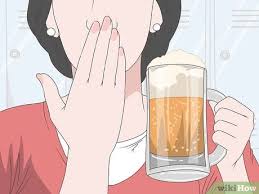
This is an old wives’ tale. Barley (in beer) contains polysaccharides that might boost prolactin, but the alcohol in beer actually decreases milk production and disrupts let-down. Non-alcoholic beer gives you the barley without the risk.
H3: 3. What if I wake up after a few drinks and my baby is crying?
If you feel any effect of alcohol (dizzy, sleepy, slowed reflexes), do NOT bed-share. Co-sleeping after drinking increases SIDS risk. Feed your baby stored milk or formula, or ask a sober partner to handle the feeding.
H3: 4. How long does alcohol stay in breastmilk if I’m obese?
Obesity can change alcohol distribution because fat tissue contains less water than muscle. Some studies show slightly slower clearance, but the difference is usually less than 30 minutes. Use the 2–3 hour rule per drink and add an extra 30 minutes to be safe.
H2: What About Other Drugs or Medications?
This article focuses on alcohol, but many moms ask about:
- Caffeine: Half-life in breastmilk is 4–6 hours. Moderate coffee (1–2 cups) is fine.
- THC (cannabis): THC is fat-soluble and stays in breastmilk for days to weeks. Avoid completely.
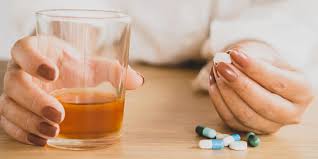
- Prescription meds: Most are safe, but always check LactMed or call a pharmacist.
Alcohol is water-soluble and predictable. THC is not. Do not substitute.
H2: The Bottom Line: A Simple Decision Tree
If you’re wondering how long does alcohol stay in breastmilk right now, here’s your action plan:
- Check your baby’s age. Newborn under 8 weeks? Wait 3–4 hours per drink.
- Count your drinks. One drink = 2–3 hours. Two drinks = 4–5 hours.
- Feel your body. Still buzzed? Still unsafe.
- Have backup milk ready? Great. Use it.
- No backup? Wait the full time or use formula once.
When in doubt, wait it out. An extra hour of waiting costs nothing. A sleepy, fussy baby from alcohol exposure costs everyone.
H2: Conclusion: You Can Enjoy a Drink—Just Plan Ahead
Let’s be honest. Motherhood is hard. A glass of wine with dinner or a beer at a barbecue is a small pleasure that doesn’t have to be off-limits.
The science is clear: how long does alcohol stay in breastmilk depends on your weight, food intake, and number of drinks—but for most moms, one drink clears in 2–3 hours.
Remember:
- No need to pump and dump (time does the work).
- Feed before you drink.
- Store backup milk.
- Never bed-share after drinking.
You are not a bad mother for having a drink. You are a human being. And now, you’re an informed one.
Cheers to safe, happy nursing.


Leave a Reply