
You just had a few drinks at a friend’s barbecue. Now, you remember you have a random saliva alcohol test tomorrow at work. Or maybe you’re just curious: Can a mouth swab test detect that one beer I had last night?
You’re not alone. Millions of people search for how long does alcohol stay in saliva every month, and the answer isn’t as simple as “one hour per drink.” Saliva testing has become incredibly popular because it’s quick, non-invasive, and hard to cheat. But here’s the good news: alcohol doesn’t linger in your mouth as long as you might fear.
In this guide, we’ll explore exactly how saliva alcohol detection works, the real timeline (backed by science), and what factors can speed up—or slow down—the process. Let’s dive in.
What Makes Saliva Alcohol Testing Different?
Before we answer how long does alcohol stay in saliva, let’s look at why employers, police officers, and even doctors use saliva tests instead of blood or urine tests.
Saliva (spit) is essentially a blood filtrate. When you drink alcohol, it enters your bloodstream through your stomach and small intestine. From there, it diffuses into your salivary glands. That means your saliva alcohol concentration (SalAC) is very close to your blood alcohol concentration (BAC)—usually about 10–20% higher.
Why Saliva Tests Are Common
- Non-invasive: No needles or bathroom supervision.
- Fast results: Instant-read mouth swabs give results in minutes.
- Hard to adulterate: You can’t easily “spike” saliva with fake products.
- Short detection window: Unlike hair tests (months), saliva catches recent use.
This last point is crucial. Saliva tests are designed to detect current impairment, not past drinking habits.
The Exact Timeline: How Long Does Alcohol Stay in Saliva?
Here’s the direct answer you came for: Alcohol stays in saliva for 6 to 12 hours after your last drink. But there’s a major catch.
Most standard saliva alcohol tests (the swabs used in roadside stops or workplace screenings) are sensitive only for the first 12 to 24 hours. However, newer, more sensitive lab-based saliva tests can detect traces of alcohol for up to 48 hours in heavy drinkers.
Let’s break that down by scenario.
1. Light to Moderate Drinking (1–2 standard drinks)
- Detection time: 6–8 hours
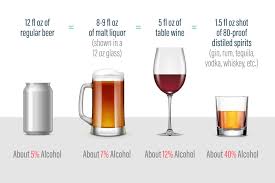
- Example: One 12-oz beer at 5% ABV.
- What to expect: After 6 hours, most standard swabs will show negative. By 8 hours, even sensitive tests struggle to find anything.
2. Heavy Drinking (4–6 drinks in a short period)
- Detection time: 12–24 hours
- Example: Three glasses of wine or four mixed drinks over 3 hours.
- What to expect: Your liver needs time to process all that alcohol. Saliva will show positive for most of the next day. After 12 hours, only sensitive tests might still detect it.
3. Binge Drinking or Chronic Heavy Use
- Detection time: 24–48 hours (rarely up to 72 hours)
- Example: A night out with 8+ drinks, or daily heavy drinking for weeks.
- What to expect: Alcohol metabolites can build up. The saliva may test positive for nearly two days.
Quick Reference Table
| Drinking Level | Standard Drinks | Saliva Detection Window |
|---|---|---|
| Light | 1–2 | 6–8 hours |
| Moderate | 3–4 | 8–12 hours |
| Heavy | 5–6 | 12–24 hours |
| Binge / Chronic | 7+ | 24–48 hours (rarely 72) |
Key takeaway: For most people, how long does alcohol stay in saliva is less than 24 hours. If you drink moderately tonight, you’ll likely be clean by tomorrow afternoon.
Factors That Affect Alcohol Detection in Saliva
Not everyone processes alcohol the same way. Two people who drink the exact same amount can have very different saliva detection windows. Here’s why.
1. Your Metabolism Rate
Your liver breaks down about one standard drink per hour. But that rate varies. Younger people, those with higher muscle mass, and individuals with efficient liver enzymes metabolize alcohol faster. Slower metabolism = longer detection.
2. Food in Your Stomach
Drinking on an empty stomach is a fast track to a high BAC. Food (especially fats and proteins) slows alcohol absorption into your bloodstream. That means less alcohol reaches your salivary glands at once, and detection time may shorten slightly.
Example: Two people have three beers. One ate a heavy meal; the other drank on empty. The empty-stomach drinker will have higher saliva alcohol for a longer period.
3. Your Hydration Level
Alcohol is a diuretic (makes you pee more). If you’re dehydrated, your saliva becomes more concentrated, which can prolong detection. Drinking water after alcohol helps dilute saliva, but it won’t magically “flush” alcohol away.
4. Mouthwash and Dental Products
Here’s a trap: Some mouthwashes, breath sprays, and even certain cough syrups contain ethanol (alcohol). Using them right before a saliva test can cause a false positive. Always check labels.
5. Type of Alcoholic Beverage
High-proof spirits (vodka, whiskey, rum) produce higher initial saliva alcohol levels than beer or wine. However, the total detection time depends more on total alcohol consumed than the drink type.
Real-Life Scenarios: When Will You Pass a Saliva Test?
Let’s put this into everyday situations. These examples assume average metabolism (no liver disease, normal weight).
Scenario A: The Work Random Test
You finish your last drink at 10 PM on a Tuesday. Your workplace does random saliva swabs at 8 AM Wednesday. That’s a 10-hour gap. If you had 2–3 drinks, you’re almost certainly clean. If you had 6 drinks, you might still test positive.
Scenario B: The Morning After a Party
You drank heavily from 8 PM to 2 AM (six drinks). Your last sip is at 2 AM. A police roadside saliva test at 8 AM (6 hours later) will likely detect alcohol. At 2 PM (12 hours later), you’re safe for most tests.
Scenario C: The “One Drink at Lunch”
You have one glass of wine at 12 PM. You have an important saliva test at 4 PM (4 hours later). Even with slow metabolism, you should pass. One drink typically clears saliva within 4–6 hours.
Tip for nervous readers: The safest approach is to wait 12 hours after your last drink before any saliva alcohol test. For heavy sessions, wait 24 hours.
Can You Speed Up How Fast Alcohol Leaves Your Saliva?
You’ve probably heard myths: Drink coffee. Take a cold shower. Run a mile. Do these work? Let’s separate fact from fiction.
What Does NOT Work (Myths)
- Coffee or energy drinks: They make you feel more awake but do nothing to metabolize alcohol faster.
- Cold showers: Shocking your body doesn’t speed up liver enzymes.
- Vinegar or pickle juice: No scientific backing.
- Breathing mints or mouthwash: These only mask odor, not the alcohol in your saliva glands.
What Actually Helps (Slightly)
- Hydration with water: Dilutes saliva concentration, but won’t eliminate alcohol entirely.
- Time (the only real cure): Your liver needs 1 hour per standard drink. No shortcut exists.
- Eating a meal after drinking: Slows further absorption if you’re still drinking, but won’t reverse alcohol already in saliva.
The Honest Truth
Once alcohol is in your saliva, you cannot “remove” it faster than your liver can process it. The detection window is tied directly to your BAC. So the only reliable way to pass a saliva test is to wait.
Saliva vs. Other Testing Methods: A Quick Comparison
Understanding how long does alcohol stay in saliva becomes easier when you compare it to other tests.
| Test Type | Detection Window | What It Measures |
|---|---|---|
| Saliva | 6–48 hours | Parent alcohol (directly) |
| Blood | 6–24 hours | BAC (most accurate) |
| Urine | 12–72 hours (up to 80+ hours for EtG) | Ethanol metabolites |
| Breath | 6–24 hours | Deep lung air alcohol |
| Hair | Up to 90 days | FAEE / EtG metabolites |
Notice that saliva and breath tests have similar windows. That’s because both reflect recent drinking (past 12–24 hours), not historical use.
Frequently Asked Questions (FAQ)
1. Can a saliva test detect alcohol after 24 hours?
Yes, but only in specific cases. Standard instant swabs rarely detect alcohol after 24 hours. However, sensitive lab-based saliva tests (using chromatography) can detect traces for up to 48 hours in heavy drinkers or those with liver issues.
2. Will brushing my teeth or using mouthwash remove alcohol from saliva?
No. Brushing only removes debris and bacteria, not the alcohol diffused from your bloodstream into your salivary glands. Some mouthwashes contain alcohol, so using them before a test could cause a false positive. Stick to alcohol-free mouthwash if you’re worried.
3. How long does alcohol stay in saliva after one beer?
For one standard beer (12 oz, 5% ABV), alcohol typically stays in saliva for 4 to 6 hours. Most people will test negative after 6 hours. If you have a very slow metabolism, it might stretch to 8 hours.
4. Can I fail a saliva test if I didn’t drink but used hand sanitizer or cough syrup?
Yes. Many over-the-counter products contain ethanol. Hand sanitizer, mouthwash, cough syrup, and even some breath sprays can cause false positives. Always inform the tester if you’ve used any alcohol-based products in the past hour.
5. Does chewing gum or eating food help clear saliva alcohol faster?
Chewing gum increases saliva flow, which can slightly dilute alcohol concentration. However, it does not speed up metabolism. At best, it might reduce detection time by 30–60 minutes. It’s not a reliable method.
6. How long does alcohol stay in saliva for a chronic heavy drinker?
Chronic heavy drinkers often have a longer detection window—typically 24 to 48 hours. In some cases, alcohol metabolites linger up to 72 hours because the liver becomes less efficient over time.
Practical Tips If You Have an Upcoming Saliva Test
You’re not here to cheat a test (that would be unethical). But if you’re genuinely concerned about a legitimate test (e.g., for a job, legal reason, or medical checkup), here’s what to do.
- Stop drinking immediately. Every hour after your last drink reduces detection risk.
- Hydrate normally. Drink water, but don’t overdo it (excessive water won’t help and looks suspicious).
- Avoid alcohol-based products for at least 1 hour before the test (mouthwash, breath spray, some cough drops).
- Don’t smoke or vape right before. Some vaping liquids contain alcohol.
- Be honest if you used a product with alcohol. Tell the tester to avoid a false positive.
Remember: No amount of tricks beats time. If you have 12+ hours before your test, you’re likely safe after moderate drinking. If you have less than 6 hours, reschedule if possible.
The Science Behind Saliva Alcohol Detection (Simplified)
Let’s get slightly technical, but keep it friendly.
When you drink alcohol, it enters your stomach and small intestine. From there, it diffuses into your capillaries (tiny blood vessels). Your blood circulates that alcohol everywhere—including to your salivary glands. Your salivary glands filter blood to produce saliva. So the alcohol concentration in your saliva mirrors your blood alcohol concentration (BAC) almost exactly, but about 10–20% higher.
Saliva alcohol tests use an enzyme reaction. The test strip contains alcohol oxidase, which reacts with ethanol in your saliva to produce hydrogen peroxide. That peroxide then reacts with a dye to change color. The darker the color, the more alcohol present.
Because your liver eliminates alcohol at a roughly constant rate (0.015 BAC per hour), your saliva alcohol drops in lockstep. That’s why the detection window is predictable.
Conclusion: What You Need to Remember
Let’s bring it all together.
The straightforward answer to how long does alcohol stay in saliva is 6 to 24 hours for most people, with heavy drinkers possibly testing positive up to 48 hours. Saliva tests are excellent at detecting recent drinking but poor at finding alcohol from two days ago.
Key takeaways:
- Light drinking (1–2 drinks): 4–8 hours.
- Moderate drinking (3–4 drinks): 8–12 hours.
- Heavy drinking (5+ drinks): 12–24 hours.
- Chronic heavy use: up to 48 hours.
- No quick fixes work—only time clears alcohol from saliva.
- False positives can happen from mouthwash, cough syrup, or hand sanitizer.
If you’re facing a saliva alcohol test, the smartest strategy is simple: stop drinking early, stay hydrated, and give your body at least 12 hours of alcohol-free time. That’s not just good advice for passing a test—it’s good advice for your health, too.
Stay informed, drink responsibly, and now you know exactly how long that last sip will stick around in your spit.

Leave a Reply