

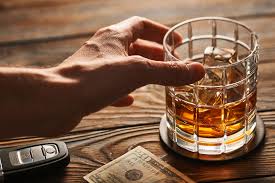
You’ve had a few drinks at a party, a wedding, or just a quiet evening at home. Now you’re wondering: When will I be completely sober? Maybe you have a drug test coming up, or perhaps you just want to know when it’s safe to drive. The question “how long does alcohol stay in your system” doesn’t have a one-size-fits-all answer.
The truth is, alcohol affects everyone differently. Your age, weight, gender, what you ate, and even your liver health all play a role. But don’t worry—in this guide, I’ll walk you through everything you need to know. You’ll learn how alcohol is processed, how long it shows up on different types of tests, and practical tips to help your body recover.
Let’s dive in.
Understanding How Your Body Processes Alcohol
Before we get into timelines, it helps to understand what happens after you take that first sip. Alcohol doesn’t just sit in your stomach. Your body immediately starts working to break it down and eliminate it.
The Journey of Alcohol Through Your Body
- Absorption: About 20% of alcohol is absorbed directly through your stomach lining. The other 80% moves into your small intestine, where it enters your bloodstream quickly.
- Distribution: Once in your blood, alcohol travels to every organ—including your brain, which is why you feel tipsy or drunk.
- Metabolism: Your liver does the heavy lifting. It produces enzymes (mainly alcohol dehydrogenase) that break alcohol into acetaldehyde, then into acetate, and finally into water and carbon dioxide.
- Elimination: Your body gets rid of about 10% of alcohol through your breath, sweat, and urine. The liver handles the remaining 90%.
The Magic Number: One Drink Per Hour
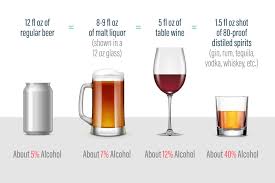
Here’s a rule of thumb most experts agree on: Your liver can process roughly one standard drink per hour. A standard drink equals:
- 12 ounces of beer (5% alcohol)
- 5 ounces of wine (12% alcohol)
- 1.5 ounces of distilled spirits (40% alcohol, like vodka or whiskey)
So if you have three beers back-to-back, expect to be under the influence for about three hours—longer if you keep drinking.
But here’s the catch: That “one hour” clock only starts after your last drink. And many factors can slow things down.
Key Factors That Affect How Long Alcohol Stays in Your System
Why can your friend down two cocktails and feel fine in an hour, while you feel foggy for half the day? Let’s break down the science.
1. Your Gender (Biological Sex)
Women generally process alcohol more slowly than men. Why? Women typically have:
- Higher body fat percentage (fat doesn’t absorb alcohol well, so it stays concentrated in the blood)
- Lower levels of the stomach enzyme that breaks down alcohol before it reaches the bloodstream
- Smaller amounts of total body water to dilute alcohol
That doesn’t mean men are immune—just that women often feel effects longer.
2. Body Weight and Composition
A larger person usually has more blood and body water to dilute alcohol. So a 200-pound man might metabolize drinks faster than a 120-pound woman. But muscle mass matters too: Muscle contains more water than fat, so muscular people process alcohol more efficiently.
3. Food in Your Stomach
This is huge. Drinking on an empty stomach sends alcohol rushing into your small intestine and bloodstream in as little as 15 minutes. But a full stomach—especially with protein, fats, and complex carbs—slows absorption dramatically. Food acts like a sponge, keeping alcohol in your stomach longer and giving your liver more time to work.
Example: Two people each have three drinks. One ate a cheeseburger and fries beforehand. The other had nothing all day. The fasting person will feel drunker faster and stay that way longer.
4. Liver Health
Your liver is the workhorse. If you have fatty liver disease, hepatitis, or cirrhosis, your metabolism slows to a crawl. Even mild liver damage can double or triple the time how long does alcohol stay in your system.
5. Medications and Health Conditions
Some drugs interfere with liver enzymes. Common culprits include:
- Acetaminophen (Tylenol)
- Antidepressants (SSRIs)
- Antibiotics (metronidazole)
- Antihistamines
Always check with your doctor or pharmacist.
6. How Fast You Drink
Sipping a glass of wine over two hours gives your liver a fighting chance. Chugging three beers in 20 minutes overwhelms your system. Blood alcohol concentration (BAC) spikes higher, and it takes much longer to come down.
Detection Timelines: How Long on Different Tests?
Now for the answer you’ve been waiting for. How long does alcohol stay in your system depends entirely on which test is being used.
Urine Tests
Urine is the most common testing method for workplaces and legal situations. A standard urine test (EtG) looks for ethyl glucuronide, a byproduct of alcohol metabolism.
- Standard urine screen: 12–24 hours for most people
- EtG urine test (advanced): 24–80 hours (up to 3–4 days for heavy drinkers)
Heavy, chronic drinkers may test positive for up to 5 days.
Blood Tests
Blood tests are very accurate but invasive. They measure your current BAC.
- Detection window: 6–12 hours after your last drink
- Peak levels: Within 30–90 minutes of drinking
After 12 hours, most people’s blood alcohol is zero unless they drank extremely heavily.
Breath Tests (Breathalyzer)
Breathalyzers estimate BAC by measuring alcohol on your breath. This is the test police use.
- Detection window: 12–24 hours maximum
- Realistic: Usually 6–12 hours for moderate drinking
Even if you feel fine the next morning, you could still blow over the legal limit (0.08% in most U.S. states). This is why “sleeping it off” isn’t always safe.
Saliva Tests
Saliva tests are becoming more common for roadside checks and some workplaces.
- Detection window: 12–24 hours
- Up to: 48 hours for heavy users
Hair Follicle Tests
Hair tests are rare for alcohol because they’re expensive and less accurate. But they exist.
- Detection window: Up to 90 days
- Note: Hair tests look for ethyl glucuronide and fatty acid ethyl esters (FAEEs). They can’t tell when you drank, only that you consumed alcohol in the past few months.
Quick Reference Table
| Test Type | Detection Window (Moderate Drinking) | Heavy / Chronic Drinking |
|---|---|---|
| Urine (Standard) | 12–24 hours | 24–48 hours |
| Urine (EtG) | 24–48 hours | Up to 80 hours (3–4 days) |
| Blood | 6–12 hours | 12–24 hours |
| Breath | 6–12 hours | 12–24 hours |
| Saliva | 12–24 hours | 24–48 hours |
| Hair | Up to 90 days | Up to 90 days |
How to Speed Up the Process: Myths vs. Facts
You’ve probably heard people swear by “tricks” to sober up fast. Let’s separate reality from fiction.
What DOES NOT Work (Myths)
- Coffee: Caffeine makes you feel more alert, but it does nothing to lower your BAC. You’re just a wide-awake drunk person.
- Cold showers: Shocking your body doesn’t speed up liver metabolism. It only makes you cold and wet.
- Vomiting: Once alcohol is in your bloodstream, throwing up won’t remove it. You might feel less nauseous, but your BAC remains unchanged.
- Exercise: Sweating out alcohol? You eliminate only about 0.1% of alcohol through sweat. Not enough to matter.
- Eating after drinking: Food helps slow absorption if eaten before or during drinking. After you’ve already absorbed the alcohol, food won’t reverse it.
What Actually Helps (Facts)
- Time: This is the only real answer. Your liver works at its own pace—about 0.015% BAC per hour.
- Hydration: Water won’t flush alcohol out faster, but it prevents dehydration and reduces hangover severity.
- Sleep: While you sleep, your liver keeps working. Rest gives your body energy to metabolize efficiently.
- Healthy liver: Long-term, eating well, exercising, and avoiding excessive drinking keeps your liver enzymes strong.
Real-life example: Imagine you stop drinking at midnight with a BAC of 0.12%. At 0.015% per hour, you’ll reach zero around 8:00 AM. No amount of coffee or cold showers will change that math.
Practical Tips: What to Do If You Need to Test Clean
Let’s say you have a urine test in 48 hours. What can you do?
- Stop drinking immediately. Every hour counts.
- Hydrate normally (don’t overdo it—excess water can dilute your sample, which labs can detect).
- Avoid alcohol-containing products like mouthwash, hand sanitizer, or some cough syrups. These can cause false positives on sensitive EtG tests.
- Be honest if it’s a medical or legal situation. Trying to cheat a test often backfires.
Important warning: If you’re a heavy, daily drinker, quitting suddenly can cause dangerous withdrawal symptoms (seizures, hallucinations, heart issues). Always consult a doctor before stopping if you drink heavily every day.
How Long Does Alcohol Stay in Your System for DUIs and Legal Matters?
Courts and police care about your BAC at the time of driving—not just when you’re tested. In many places, you can be charged with a DUI even if your BAC is below 0.08% if you show signs of impairment.
Morning-after DUI risk: This is more common than you think. You drink until 2 AM, sleep until 8 AM, and feel okay. But your BAC might still be 0.05–0.07%. Add a minor fender bender, and you’re facing charges.
If you’re ever pulled over, remember:
- Breathalyzers detect alcohol for up to 24 hours.
- Blood tests are more accurate but require a warrant or consent in most states.
- Never assume you’re sober just because you slept.
FAQ: Your Most Common Questions Answered
1. Can drinking water or cranberry juice help alcohol leave your system faster?
No. Water and cranberry juice increase urine output, but they don’t speed up liver metabolism. Your liver still processes alcohol at roughly one drink per hour. Hydration helps with hangover symptoms but won’t lower your BAC or make you test negative sooner.
2. How long does alcohol stay in your system if you’re a heavy drinker?
For heavy, chronic drinkers, detection windows stretch significantly. An EtG urine test can show positive for 80 hours (3–4 days) or even 5 days in extreme cases. Hair tests detect alcohol for up to 90 days. Plus, heavy drinkers often have slower livers due to fatty deposits or inflammation.
3. Will one beer show up on a drug test 24 hours later?
It depends on the test. A standard urine screen likely won’t detect one beer after 24 hours. But a sensitive EtG test might still catch it—especially if you’re a smaller person, drank on an empty stomach, or have liver issues. For breath or blood tests, one beer is usually undetectable after 12 hours.
4. How can I calculate when my BAC will reach zero?
Use a simple formula: Take your estimated peak BAC and divide by 0.015 (the average metabolism rate per hour). For example, if your BAC is 0.10%, it will take about 6.7 hours to reach zero (0.10 ÷ 0.015 = 6.7). Online BAC calculators can help, but they’re estimates—not medical guarantees.
Conclusion: Know Your Body, Know Your Limits
So, how long does alcohol stay in your system? The short answer: For most people, 12 to 48 hours on urine tests, 6 to 12 hours on blood or breath, and up to 90 days on hair tests. But the real answer depends on you—your weight, gender, food intake, liver health, and drinking habits.
Here are your key takeaways:
- Your liver processes about one standard drink per hour. Nothing speeds this up.
- Food matters—eat before you drink to slow absorption.
- Morning-after risks are real. You can still be legally drunk 8–10 hours after your last drink.
- Myths like coffee and cold showers don’t work. Only time works.
- If you’re a heavy drinker, detection windows stretch to 3–5 days on advanced urine tests.
The safest choice? If you need to pass a test, stop drinking completely for at least 48–72 hours. And never, ever drive if you’re unsure about your sobriety. Your life—and others’ lives—are worth more than a few drinks.
Stay informed, stay safe, and know your limits.


Leave a Reply