
If you’re on probation, even one drink can feel like a huge risk. You know the rules: no alcohol. But maybe you had a sip at a wedding, or you’re worried about a past weekend. The big question keeping you up at night is simple: how long does alcohol stay in your system for a probation drug test?
The honest answer? It depends on several things—how much you drank, your body type, what kind of test you take, and even your liver health. But here’s the good news: alcohol leaves your system faster than most drugs. However, probation tests are getting smarter. They don’t just look for alcohol itself; they look for what your body turns it into.
In this guide, we’ll break down exactly how alcohol is processed, how long different tests can detect it, and what you can do to stay safe. No confusing medical jargon—just clear, practical facts.
Understanding How Your Body Processes Alcohol
Before we talk about detection times, let’s quickly look at what happens after you take a drink. This isn’t just biology class—it’s the key to understanding your probation risks.
When you drink alcohol (ethanol), it’s absorbed into your bloodstream through your stomach and small intestine. From there, your liver goes to work. The liver breaks down about 90% of the alcohol using enzymes. The rest leaves through your breath, sweat, and urine.
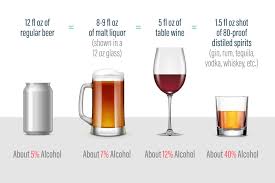
Your liver works at a fairly steady pace. On average, it processes one standard drink per hour. A standard drink means:
- 12 ounces of beer (5% alcohol)
- 5 ounces of wine (12% alcohol)
- 1.5 ounces of distilled spirits (40% alcohol)
So if you have three beers in two hours, your liver will need about three hours to clear that alcohol—starting from your last sip. But that’s just for the alcohol itself. Probation tests often look for metabolites (byproducts) that stick around much longer.
Key Factors That Change Detection Time
No two people are the same. Here’s why your friend might test clean in 12 hours while you take 24.
Your Body Weight and Fat Percentage
Alcohol is water-soluble, not fat-soluble. People with more body water (usually younger, muscular individuals) dilute alcohol faster. People with higher body fat may retain alcohol byproducts slightly longer.
Your Sex
Biologically, women typically have less of the enzyme that breaks down alcohol (alcohol dehydrogenase) and a higher percentage of body fat. This means alcohol can stay in a woman’s system longer than a man’s, even at the same weight and number of drinks.
How Much and How Fast You Drank
Binge drinking (four or more drinks in two hours) overwhelms your liver. Your body can only process about one drink per hour. Anything beyond that builds up in your bloodstream, extending detection windows dramatically.
Your Liver Health
If you have fatty liver, hepatitis, or any liver damage, you process alcohol much slower. Probation officers won’t know your medical history, but your test results might not match the average “hour per drink” rule.
Food in Your Stomach
Drinking on an empty stomach sends alcohol into your bloodstream faster. A full meal (especially fats and proteins) slows absorption, giving your liver more time to keep up. This doesn’t shorten total detection time much, but it lowers peak blood alcohol concentration.
Detection Windows for Different Probation Tests
This is the section you came for. Probation officers use different tools. Here’s how long each one can catch alcohol.
1. Breathalyzer (Breath Test)
Breathalyzers measure the actual alcohol in your lungs, which correlates closely with your blood alcohol concentration (BAC).
Detection window: 6 to 24 hours after your last drink.
Most people will blow zero after 12 hours, especially if they had only 1–2 drinks. But if you drank heavily until 2 AM, you might still register at noon the next day.
2. Urine Test for Ethanol
Standard urine tests look for ethanol itself (the alcohol you drank).
Detection window: 12 to 48 hours.
Light drinking (1–2 drinks): Usually 12–18 hours.
Heavy drinking (5+ drinks): Up to 48 hours.
But here’s a warning: urine ethanol tests are easy to fool, so many probation departments no longer use them alone. They’ve switched to the next option.
3. Urine Test for EtG (Ethyl Glucuronide)
EtG is a direct metabolite of alcohol. Your body produces EtG as long as alcohol is being broken down, and it hangs around long after the alcohol itself is gone.
Detection window: Up to 80 hours (about 3.5 days) after heavy drinking.
For a single drink, EtG is usually gone in 24 hours. For a weekend bender, it can show up on a Monday or Tuesday test. This is the most common probation test today because it’s very sensitive.
4. Blood Test
Blood tests are accurate but invasive and expensive. Probation rarely uses them unless there’s an accident or a specific court order.
Detection window: 12 to 24 hours for alcohol itself.
Blood tests can also measure liver enzymes that suggest heavy drinking, but that’s more for medical or legal cases.
5. Hair Follicle Test for Alcohol Markers (EtG and FAEEs)
Hair tests can detect chronic heavy drinking for up to 90 days. However, they are almost never used for routine probation because they’re expensive and don’t show a single instance of drinking—only a pattern. Unless your probation terms specifically mention hair testing, don’t lose sleep over this one.
Real-Life Example: How Long for Different Drinking Scenarios?
Let’s make this concrete. Imagine three people on probation.
Case 1: One beer with dinner on Friday night (5% ABV, 12 oz)
- Breath test clear by Saturday morning.
- Urine ethanol clear by Saturday afternoon.
- EtG test (the common probation one): Usually undetectable by Sunday morning (24 hours). To be safe, 36 hours.
Case 2: Four beers over four hours on a Saturday (moderate drinking)
- Breath: Clean by Sunday morning (12 hours after last drink).
- Urine ethanol: Clean by Sunday evening (24–30 hours).
- EtG: May show positive until Monday night or Tuesday morning (48–60 hours).
Case 3: Heavy drinking Friday night (8+ drinks until 2 AM)
- Breath: Possibly still positive Saturday afternoon (14+ hours).
- Urine ethanol: Up to 48 hours (clear by Sunday night/Monday).
- EtG: This is the danger zone. EtG can remain positive until Tuesday or Wednesday—80 hours after your last drink.
If your probation test is unannounced (random), heavy drinking is a serious gamble for several days.
Can You Speed Up How Fast Alcohol Leaves Your System?
Let’s bust myths right now. Nothing significantly speeds up how fast your liver processes alcohol. Not coffee, not cold showers, not vomiting, not exercise. Your liver works at its own fixed rate.
However, you can avoid prolonging detection:
- Hydrate well (but not excessively—overdiluting a urine test can look suspicious or cause a “dilute” result, which some probation officers count as a positive).
- Eat balanced meals to support liver function.
- Sleep—your body repairs itself, but it doesn’t speed up alcohol metabolism.
- Do not take over-the-counter pain relievers like acetaminophen (Tylenol) with alcohol still in your system; that damages your liver.
The only real “shortcut” is time. If you have a test coming up, your safest choice is zero alcohol for at least 72–96 hours beforehand.
What Probation Officers Look For (And Common Traps)
Probation drug tests don’t just hunt for alcohol. They also watch for patterns and tricks.
They Check for Diluted Samples
If you drink huge amounts of water before a test, your urine may be too clear. Many labs measure creatinine (a waste product). Too little creatinine means dilution, and that can be treated as a failed test.
They May Use EtG With a Cutoff Level
Most probation EtG tests use a cutoff of 100 ng/mL to 500 ng/mL. Lower cutoffs (100) are extremely sensitive and can pick up trace exposure from mouthwash or hand sanitizer. Higher cutoffs (500) are more likely to only catch actual drinking. Know your probation terms.
Passive Exposure Is Rarely an Issue
Using alcohol-based mouthwash, hand sanitizer, or even eating a ripe banana or a bagel (which contains trace ethanol) will not cause a positive EtG test above 100 ng/mL unless you use massive amounts. You’d need to drink several bottles of mouthwash. Don’t worry about food. But do avoid kombucha, non-alcoholic beer (still has 0.5% ABV), and some vanilla extracts.
Tips to Stay Safe While on Probation
Here’s the straightforward advice you won’t hear from your lawyer (but you need to hear).
- Assume random testing at any time. Many probation programs use a color-coded or phone-in system. If your color is called, you test that day. Don’t play the “I probably won’t get tested” game.
- Give yourself a 72-hour buffer. Even if you think you’re fine after 48 hours, an EtG test can surprise you. If you drink on Friday night, don’t consider yourself safe until Monday night—or better, Tuesday morning.
- Avoid hidden alcohol products. Some cough syrups, cold medicines, and even certain sodas (like kombucha) contain alcohol. Read labels. If it says “alcohol 5%” or “ethanol,” skip it.
- Ask for a copy of your testing policy. Do they use EtG or basic urine ethanol? What’s the cutoff level? What’s the penalty for a dilute sample? Knowing these details reduces anxiety.
- Be honest with your PO if you slip. This is counterintuitive, but if you had one drink and know you’ll test positive the next morning, some probation officers will work with you—especially if it’s your first violation. Hiding it and failing the test looks much worse.
Frequently Asked Questions (FAQ)
1. Can I drink non-alcoholic beer or wine on probation?
Yes, but carefully. Most “non-alcoholic” beers contain 0.5% ABV. Drinking six of them in an hour could produce a very low EtG level. One or two bottles are unlikely to trigger a positive test (above 100 ng/mL). However, to be completely safe, choose 0.0% ABV brands (like Heineken 0.0) or just avoid them entirely.
2. How long does alcohol stay in your system for a probation drug test if I only had one sip?
A single sip of beer or wine is negligible. Your liver clears it in under an hour. An EtG test would likely be negative after 12 hours. But if you’re on probation, even a sip violates most orders. Don’t risk it for “just a taste.”
3. Does exercise or sweating help remove alcohol faster?
No. Alcohol is metabolized by your liver, not excreted through sweat in meaningful amounts. You might lose water weight, but your BAC and EtG levels won’t drop faster. In fact, intense exercise while intoxicated can be dangerous (dehydration, heart stress).
4. Will mouthwash or hand sanitizer make me fail a probation test?
Almost never. Standard use of Listerine (which contains ~27% alcohol) could theoretically produce a positive EtG if you swish for a full minute and then immediately provide a urine sample. But labs expect this and can distinguish between drinking and topical exposure using confirmatory tests. To be safe, use alcohol-free mouthwash while on probation.
Strong Conclusion: Know Your Numbers, Protect Your Freedom
So let’s bring it all back to the original question: how long does alcohol stay in your system for a probation drug test?
For a standard EtG urine test—the most common one used today—alcohol metabolites can be detected for up to 80 hours after heavy drinking. For light drinking, expect 24–36 hours. Breath and basic urine ethanol tests are much shorter (12–48 hours). Your body size, sex, liver health, and how much you ate all shift these numbers.
But here’s the reality you need to live by: The only sure way to pass a probation alcohol test is to not drink at all. Every person who fails thought they’d be fine. They miscalculated. They forgot about EtG. They drank on Friday and got tested Tuesday morning.
Probation is temporary. Your freedom isn’t. Use the science in this guide to make smart choices, but more importantly, use this time to build habits that keep you out of the system for good. If you’re struggling with alcohol, ask your probation officer about treatment programs—many courts support rehabilitation over punishment.
Stay clean, stay safe, and remember: one drink isn’t worth a violated probation.


Leave a Reply