
If you’ve ever stood in a liquor store, stared at a bottle, and wondered, “How many ml is a fifth of alcohol?” — you’re not alone. The term “a fifth” sounds old-fashioned, like something your grandparents would say when asking for whiskey. But it still pops up everywhere: in cocktail recipes, party planning guides, and even movies.
Here’s the short answer: A fifth of alcohol equals 750 milliliters (ml).
But why is it called a “fifth”? And why do we still use that term when everything is measured in milliliters now? In this article, I’ll walk you through everything you need to know — from the history behind the measurement to practical tips for buying and pouring alcohol. By the end, you’ll never confuse a “fifth” with a “handle” again.
Let’s pour into the details.
What Exactly Is a “Fifth” of Alcohol? (And Why the Name?)
Before metric measurements became standard in the United States, alcohol was sold in fractional gallons. Yes, gallons. A fifth of a gallon is exactly what it sounds like: one-fifth of a US liquid gallon.
So let’s do the quick math:
- 1 US gallon = 128 fluid ounces
- One-fifth of a gallon = 128 ÷ 5 = 25.6 fluid ounces
When the US switched to metric system standards for liquor in the late 1970s, the industry rounded 25.6 ounces to the nearest convenient metric size. That turned out to be 750 milliliters, because 750 ml is roughly 25.36 fluid ounces — close enough to the original 25.6 oz.
That tiny difference (about a quarter of an ounce) doesn’t matter for drinking or mixing. But the name “fifth” stuck around out of habit.
Key Takeaway:
How many ml is a fifth of alcohol? → 750 ml
That’s the magic number you’ll see on almost all standard wine and liquor bottles today.
The Most Common Liquor Bottle Sizes Compared (With ml and oz)
To truly understand where a fifth fits in, let’s compare it to other bottle sizes you’ll see on store shelves. This is useful if you’re planning a party, buying gifts, or just trying to be a smarter shopper.
| Bottle Name | Milliliters (ml) | Fluid Ounces (oz) | Common Nickname |
|---|---|---|---|
| Miniature | 50 ml | 1.7 oz | “Mini” or “nip” |
| Half-pint | 200 ml | 6.8 oz | “Half-pint” |
| Pint | 375 ml | 12.7 oz | “Pint” |
| Fifth | 750 ml | 25.4 oz | “Fifth” or “standard bottle” |
| Liter | 1,000 ml | 33.8 oz | “Liter” |
| Handle | 1,750 ml | 59.2 oz | “Handle” or “half-gallon” |
As you can see, the fifth (750 ml) is the true workhorse of the alcohol world. Most vodka, whiskey, rum, tequila, and gin bottles you see are fifths unless labeled otherwise.
Why Is It Called a “Handle”?
A 1.75-liter bottle is often called a “handle” because larger bottles sometimes have a built-in handle for pouring. That’s nearly two and a half fifths worth of alcohol.
How Many Shots Are in a Fifth of Alcohol?
Now that you know how many ml is a fifth of alcohol (750 ml), the next logical question is: how many drinks can you actually get out of it?
In the US, a standard shot is 1.5 fluid ounces, which equals about 44 ml (though some bars pour 1.25 oz or 2 oz, so always check).
Let’s do the math:
- 750 ml ÷ 44 ml (1.5 oz) = 17.05 shots
That means a standard fifth gives you roughly 17 shots — perfect for a small to medium-sized party.
Real-life example:
You’re hosting a get-together with 8 friends. If you buy one fifth of vodka, and each person has two mixed drinks (2 shots each), that’s 16 shots — almost exactly one bottle. So for 8–10 people, one fifth is usually enough if you’re also serving beer or wine.
Quick reference:
- 1 fifth (750 ml) = 17 standard shots
- 1 handle (1.75 L) = 39 shots
- 1 pint (375 ml) = 8.5 shots
Pro tip: If you’re making cocktails that call for 2 oz of liquor (like a strong Old Fashioned), a fifth will yield about 12.5 drinks.
A Brief History: Why the US Used “Fifths” in the First Place
You might be wondering: why gallons? Why not liters from the start?
The answer goes back to British imperial measurements. Before the US adopted the metric system for alcohol in 1979, liquor was legally sold in quarts, pints, and gallons. A “fifth” (one-fifth of a gallon) was a convenient size — not too big, not too small. It fit well in a home bar, was easy to carry, and lasted a reasonable amount of time.
In 1979, the US Treasury Department’s Alcohol and Tobacco Tax and Trade Bureau (TTB) mandated that all distilled spirits switch to metric measurements. The goal was to align with global standards and simplify international trade.
The 750 ml bottle was the closest metric equivalent to the old fifth. So manufacturers simply changed the label — but people kept calling it a “fifth” for decades. Even today, if you ask a bartender for “a fifth of Jack,” they’ll know exactly what you mean.
How Many ml is a Fifth of Alcohol Compared to Wine and Beer?
Here’s where things get interesting for party planners. A fifth (750 ml) is the exact same size as a standard wine bottle. Yes — that nice bottle of Cabernet Sauvignon you buy for dinner is also 750 ml.
But alcohol content is totally different.
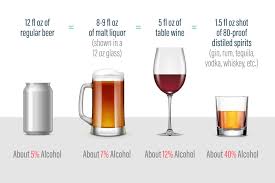
- A fifth of spirits (40% ABV) contains about 300 ml of pure alcohol.
- A bottle of wine (12% ABV) contains about 90 ml of pure alcohol.
- A six-pack of beer (5% ABV, 12 oz each) contains about 106 ml of pure alcohol.
That means one fifth of liquor has roughly the same total alcohol as 3–4 bottles of wine or about 17–18 standard beers.
So if you’re calculating how many ml is a fifth of alcohol for a party comparison, remember: one fifth goes much further than you think in terms of intoxication potential.
Practical Tips: Buying, Storing, and Using a Fifth
Now that you know the measurement, let’s talk about real-world use. Whether you’re stocking a home bar or buying a gift, these tips will help.
1. When to buy a fifth vs. a handle
- Buy a fifth if you’re trying a new spirit, gifting to a friend, or hosting a small gathering (under 10 people).
- Buy a handle (1.75 L) if you’re throwing a big party, making large batch cocktails, or if it’s your daily drink of choice (better value per ml).
2. How to store an opened fifth
Once opened, spirits don’t “go bad” like wine, but they can lose flavor over time. Keep the bottle upright, away from direct sunlight, and at room temperature. A fifth of whiskey or vodka can last for years if stored properly.
3. Cocktails that perfectly use a fifth
Many classic cocktail recipes are designed around the 750 ml bottle. For example:
- Margaritas for a crowd: 1 fifth of tequila + fresh lime juice + triple sec = about 16–18 drinks.
- Whiskey sours: 1 fifth of bourbon makes about 17 cocktails.
4. Travel tip
Airline regulations allow you to carry up to 3.4 oz (100 ml) of liquid in a carry-on. A full fifth is 750 ml — way over the limit. So always pack fifths in checked luggage.
Common Misconceptions About Fifths
Let’s clear up a few myths.
Myth 1: A fifth is exactly 700 ml.
Truth: No. In the US, a fifth is 750 ml. Some countries (like the EU) sell 700 ml bottles, but that’s not a true “fifth” — it’s slightly smaller.
Myth 2: All liquor bottles labeled “750 ml” are fifths.
Truth: Yes, technically. But some wine and sake also come in 750 ml. The term “fifth” is almost always used for distilled spirits (vodka, whiskey, rum, etc.), not wine.
Myth 3: A fifth contains 25.6 oz exactly.
Truth: Historically yes, but modern 750 ml bottles hold about 25.36 oz. The difference is negligible for drinking purposes.
Why Knowing How Many ml is a Fifth of Alcohol Matters for Your Wallet
Let’s talk money. If you understand bottle sizes, you can spot the best value.
Example:
- A fifth (750 ml) of mid-range vodka costs $20. That’s $0.80 per shot ($20 ÷ 25 shots equivalent in ml terms, but using 17 actual shots = ~$1.18 per shot).
- A handle (1,750 ml) of the same vodka costs $35. That’s $0.90 per shot — cheaper per ounce, but more money upfront.
So if you drink regularly, buy the handle. If you just want a bottle for a weekend party, the fifth is perfect.
Also, many bars use fifths to measure their pour costs. A standard bar pour of 1.5 oz from a $25 fifth costs the bar about $1.47 per drink — before accounting for mixers, ice, and labor.
FAQ: Your Burning Questions Answered
1. Is a fifth of alcohol the same as 750 ml exactly?
Yes. In the United States, a “fifth” refers specifically to a 750 ml bottle of distilled spirits. Some countries use 700 ml or 1 liter, but the American fifth is always 750 ml.
2. How many ml is a fifth of alcohol compared to a liter?
A fifth is 750 ml, which is three-quarters of a liter (1,000 ml). So a liter bottle is about 33% larger than a fifth.
3. Can I bring a fifth of alcohol on a plane?
Only in checked luggage. Carry-on bags have a 100 ml (3.4 oz) liquid limit per container, so a 750 ml fifth is prohibited. Always check your airline’s rules.
4. Why don’t they just call it 750 ml instead of a fifth?
Old habits die hard. The term “fifth” has been used for nearly a century, and many people (especially older generations and bartenders) still find it easier to say than “seven-fifty.”
Conclusion: The Simple Answer You’ll Never Forget
So, how many ml is a fifth of alcohol?
750 milliliters. Period.
That number is your golden ticket to understanding liquor sizes, planning parties, mixing cocktails, and even saving money at the store. Whether you call it a fifth, a standard bottle, or simply “seven-fifty,” you now know exactly what you’re getting.
Here’s a quick summary to remember:
- 1 fifth = 750 ml = 25.4 oz
- 1 fifth = about 17 standard shots
- 1 fifth = same size as a wine bottle (but much stronger)
- The name comes from one-fifth of a gallon (old US measurement)
Next time you’re at a liquor store or behind a bar, you can confidently answer the question for yourself or your friends. And if someone asks you “how many ml is a fifth of alcohol?” — you’ve got the answer ready.
Cheers to drinking smarter, not just harder.



Leave a Reply