
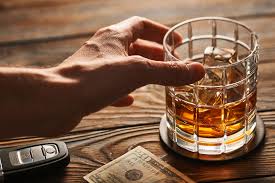
You’ve just finished a glass of red wine, a cocktail, or maybe just a beer. But instead of enjoying the afterglow, your mouth feels like you’ve been sucking on old pennies. That weird, bitter, metallic flavor lingers for hours—sometimes even into the next morning.
If this sounds familiar, you are not alone. Many people experience a metallic taste in mouth after drinking alcohol, and it can range from a mild nuisance to a genuinely concerning symptom. Is it just cheap booze? A sign of allergies? Or something your dentist needs to know about?
In this article, we’ll break down exactly why this happens, how to stop it, and when that metallic taste is a red flag you shouldn’t ignore. Let’s dive in.
What Does That Metallic Taste Actually Feel Like?
Before we explore causes, let’s describe the sensation. Medically known as dysgeusia, a metallic taste often feels like:
- Sucking on a battery or aluminum foil.
- A bitter, sour, or coppery flavor that won’t wash away.
- A dry mouth combined with a strange aftertaste following any type of alcohol (wine, spirits, beer).
For most people, it’s temporary. But if you notice a metallic taste in mouth after drinking alcohol regularly—even after just one drink—your body is trying to tell you something.
5 Common Causes of That Metallic Aftertaste
Let’s get straight to the science (in plain English). Here are the most likely reasons you’re tasting metal post-sundowner.
1. Acid Reflux or GERD (The Silent Culprit)
Alcohol is highly acidic and relaxes the lower esophageal sphincter—the valve that keeps stomach acid down. When that valve loosens, acid splashes up into your throat and mouth.
Stomach acid contains bile and digestive enzymes. When they reach your taste buds, they literally change your sense of taste, creating a distinct metallic or sour flavor.
Real-life example: You have a spicy margarita at 9 PM. By 11 PM, you’re lying down and feel a slight burn in your chest. The next morning, your mouth tastes like copper. That’s acid reflux.
2. Dehydration and Dry Mouth (Xerostomia)
Alcohol is a diuretic. It makes you pee more, which drains your body of water and saliva. Saliva is your mouth’s natural cleaning system. It washes away food particles, bacteria, and weird tastes.
When you’re dehydrated, your saliva becomes thick or disappears entirely. Bacteria start to multiply, producing sulfur compounds that taste metallic or rotten. A dry mouth also changes the pH balance, allowing metallic ions from dental fillings or food to become more noticeable.
Quick test: If your tongue feels like sandpaper and you have a metallic taste, drink two glasses of water. If the taste fades within 30 minutes, dehydration was the cause.
3. Histamine Intolerance (Especially with Red Wine)
Red wine, beer, and champagne are high in histamine—a chemical your body releases during allergic reactions. Many people lack enough of the enzyme (DAO) that breaks down histamine.
When histamine builds up, it can trigger:
- Metallic or bitter taste.
- Stuffy nose or headache (the classic “red wine headache”).
- Flushing or hives.
If you only get a metallic taste in mouth after drinking alcohol that’s red or aged (like whiskey or sherry), histamine intolerance is a strong suspect.
4. Medication Interactions
Are you taking any of these common meds?
- Antibiotics (metronidazole, amoxicillin).
- Lithium (for bipolar disorder).
- Antifungals or blood pressure drugs (captopril).
Alcohol can amplify the metallic aftertaste side effect of these medications. In fact, mixing alcohol with metronidazole causes a severe “disulfiram-like reaction” that includes a horrible metallic taste, nausea, and heart palpitations. Always check your prescription labels.
5. Dental Issues or Metal Fillings
Old amalgam fillings (silver-colored) can slowly corrode. Alcohol—especially acidic mixers like soda, lime juice, or tonic water—accelerates this corrosion, releasing metal ions into your saliva. You literally taste your own fillings.
Other dental causes include:
- Gum disease (periodontitis) – infected gums can bleed slightly, and blood tastes metallic.
- Oral thrush (yeast infection) – common after heavy drinking or antibiotics.
Less Common (But Serious) Causes
While rare, a persistent metallic taste after drinking can indicate:
- Liver issues: The liver processes alcohol. If it’s struggling (fatty liver or hepatitis), toxins build up and alter taste.
- Neurological problems: Conditions like Bell’s palsy or multiple sclerosis can distort taste.
- Pregnancy: Early pregnancy causes dysgeusia, and alcohol (even small amounts) can intensify it.
When to worry: If the metallic taste lasts more than 48 hours without drinking again, or if you have jaundice (yellow skin), severe fatigue, or unexplained bruising, see a doctor immediately.
How to Get Rid of the Metallic Taste (Fast)
Here’s the practical part. Next time you experience a metallic taste in mouth after drinking alcohol, try these remedies in order.
Immediate Fixes (Within Minutes)
- Hydrate aggressively. Sip plain water, not sports drinks or soda. Swish it around your mouth for 10 seconds before swallowing.
- Eat something acidic or salty. A pickle, lemon wedge, or saltine cracker resets your taste buds. Avoid sugar—it feeds bacteria.
- Brush your tongue. Use a tongue scraper or your toothbrush with a tiny bit of baking soda. Baking soda neutralizes acids and metallic ions.
- Rinse with salt water. Mix 1 teaspoon of salt in 8 oz of warm water. Swish for 30 seconds.
Long-Term Prevention
- Switch your drink. If red wine causes the taste, try white wine or vodka with soda water. Lower histamine = lower risk.
- Eat before drinking. Food, especially fats and proteins (cheese, nuts, yogurt), coats your stomach and reduces acid reflux.
- Use a straw. This bypasses most of your taste buds, especially for acidic cocktails.
- Check your toothpaste. Some whitening toothpastes contain sodium lauryl sulfate (SLS), which can combine with alcohol to create a metallic aftertaste. Switch to an SLS-free brand.
Real-Life Case Study: Sarah’s Story
Sarah, 34, kept complaining: “Every time I have two glasses of Pinot Noir, my mouth tastes like licking a battery for the whole next day.”
She thought it was the wine’s quality, so she bought expensive bottles—no change. Then she tried our advice. She drank a full glass of water between each wine serving and ate a handful of almonds beforehand. The metallic taste disappeared by 80%. Why? The almonds absorbed excess stomach acid, and the water prevented dry mouth. She didn’t need to quit drinking; she just changed her habits.
The Link Between Alcohol Type and Metallic Taste
Not all booze is created equal. Here’s a cheat sheet:
| Alcohol Type | Metallic Taste Risk | Why? |
|---|---|---|
| Red wine | High | High histamine, tannins, and acidity |
| White wine | Low to medium | Less histamine, but still acidic |
| Beer (craft/IPA) | Medium | Hops and yeast can trigger reflux |
| Whiskey/Bourbon | Medium | High congeners (byproducts of fermentation) |
| Vodka/Gin | Low | Distilled multiple times; fewer impurities |
| Sweet cocktails | High | Sugar + acid + alcohol = bacteria feast |
If you’re prone to that metallic aftertaste, stick with clear spirits mixed with non-citrus options (e.g., vodka + cucumber water).
When to See a Doctor or Dentist
Most cases are harmless and fixable at home. But schedule an appointment if:
- The metallic taste persists for more than two weeks without drinking.
- You also have chronic heartburn (more than twice a week).
- You notice bleeding gums, loose teeth, or mouth sores.
- You’ve recently started a new medication and drink alcohol regularly.
A simple blood test can rule out liver or kidney issues. A dentist can check for corroding fillings or gum disease.
Frequently Asked Questions (FAQ)
1. Can a metallic taste in mouth after drinking alcohol be a sign of an allergy?
Yes, but it’s rare. True alcohol allergy involves hives, swelling, or trouble breathing. More commonly, it’s a histamine intolerance or sulfite sensitivity (common in wine). Try an over-the-counter antihistamine before drinking (with your doctor’s okay). If the metallic taste vanishes, histamine is likely the culprit.
2. Why do I only get a metallic taste with cheap alcohol?
Cheaper alcohols contain more congeners—toxic byproducts like methanol and fusel oils. Your body breaks these down into compounds that taste metallic. Premium spirits are distilled more times, removing most congeners. So yes, spending a few extra dollars can actually solve the problem.
3. Is a metallic taste after drinking a sign of liver damage?
Not by itself. Millions of healthy people get a temporary metallic taste after a night out. However, if you also have yellowing eyes, dark urine, swelling in the legs, or extreme fatigue, stop drinking and see a doctor. Those are signs your liver is struggling.
4. Can pregnancy cause a metallic taste when drinking alcohol?
Absolutely. Early pregnancy is famous for causing dysgeusia (metal mouth). Even one sip of alcohol can intensify this taste dramatically. If you’re trying to conceive or might be pregnant, avoid alcohol entirely and take a test. The metallic taste might be your first pregnancy symptom.
Conclusion: Listen to Your Mouth
A metallic taste in mouth after drinking alcohol is annoying, but in most cases, it’s your body’s way of waving a small yellow flag—not a red one. It could be dehydration, acid reflux, your fillings, or simply the type of wine you chose.
Here’s your takeaway plan:
- Hydrate before, during, and after drinking.
- Eat a protein-rich snack with your first drink.
- Switch to clear, low-histamine spirits if red wine is the trigger.
- See a dentist if you have old fillings or gum issues.
- See a doctor if the taste lingers for days or comes with other symptoms.
Your taste buds are powerful sensors. When they taste metal, they’re not being dramatic—they’re giving you data. Use that data to make smarter choices. And if all else fails, remember that club soda with lime is always a delicious, metal-free backup plan.



Leave a Reply