
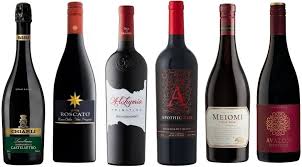
Let’s be honest for a second. You’ve probably been there: standing in the wine aisle, staring at dozens of dark bottles, wondering which one won’t make you pucker up like you just bit into a lemon. Maybe you’ve tried a dry Cabernet Sauvignon and thought, “This is too harsh for me.” Or perhaps you’re just someone with a natural sweet tooth who loves dessert wines but wants something red.
So, what red wine is the sweetest? The short answer: fortified red wines like Ruby Port, Tawny Port, and certain sweet Lambruscos. But there’s so much more to explore.
In this guide, we’ll walk through the sweetest red wine styles, how to read labels for hidden sugar, and tips to find your perfect match. No snobbery. No confusing jargon. Just clear, useful advice.
Let’s dive in.
Understanding Sweetness in Red Wine (It’s Not What You Think)
Before we name names, we need to clear up a common mix-up. Many people confuse fruity with sweet. A wine can smell like a basket of ripe strawberries and still have almost zero sugar. That’s because your nose picks up aromas, while your tongue tastes actual sugar.
Sweetness in wine comes from residual sugar (RS) — natural grape sugars left behind after fermentation. When yeast turns sugar into alcohol, if the winemaker stops fermentation early, more sugar remains. That’s your sweet red.
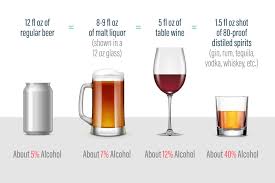
Also, alcohol level gives clues. Generally, sweeter reds have higher alcohol (think 15–20% ABV) because there was so much sugar that the yeast made lots of alcohol before stopping. But there are exceptions, like low-alcohol sweet reds (e.g., some Lambruscos at 8–10% ABV).
So, when someone asks, what red wine is the sweetest, the answer almost always points to wines with high residual sugar and often fortified with brandy.
Top 5 Sweetest Red Wines (Ranked by Sugar Levels)
Let’s get to the good stuff. Below are the sweetest red wines you can find, from “pleasantly sweet” to “dessert-in-a-glass.”
1. Ruby Port (The King of Sweet Reds)
If you want the undisputed champion, Ruby Port is your answer. Produced in Portugal’s Douro Valley, this fortified wine has residual sugar levels between 90–120 g/L. For comparison, Coca-Cola has about 108 g/L. Yes, it’s that sweet.
Ruby Port is young, bold, and bursting with flavors of blackberry, plum, and chocolate. It’s affordable (often $15–25) and pairs beautifully with dark chocolate or blue cheese.
2. Tawny Port (Nutty & Sweet)
Tawny Port comes from the same region but ages in wooden barrels, giving it a lighter brick color and flavors of caramel, walnut, and dried figs. Sugar levels are similar to Ruby Port (80–110 g/L), but it tastes less jammy and more complex.
Look for an “10 Year Old Tawny” or “20 Year Old Tawny” for a special treat.
3. Brachetto d’Acqui (Fizzy & Floral)
From Italy’s Piedmont region, Brachetto d’Acqui is a lightly sparkling (frizzante) sweet red. It has about 70–100 g/L of residual sugar. Think strawberry syrup, rose petals, and a gentle fizz. It’s low in alcohol (5–6% ABV), making it a brunch favorite or a romantic picnic wine.
4. Sweet Lambrusco (The Crowd-Pleaser)
Lambrusco is often misunderstood because dry versions exist. But look for “Amabile” (semi-sweet) or “Dolce” (sweet) on the label. These have 40–70 g/L of sugar. They’re purple, fizzy, and taste like fresh blackberries and cream.
Best part? A good sweet Lambrusco costs around $10–15. It’s a fantastic entry point for anyone curious about what red wine is the sweetest without spending a lot.
5. Recioto della Valpolicella (The Hidden Gem)
Most people know Amarone, but few have tried Recioto. It’s made using the same dried grapes (appassimento method) but fermentation is stopped early, leaving 50–80 g/L of sugar. It’s rich, raisiny, and silky smooth. Not as common in supermarkets, but worth seeking at a specialty wine shop.
Quick Comparison Table
| Wine Name | Sugar Level (g/L) | Body | Best For |
|---|---|---|---|
| Ruby Port | 90–120 | Full | Chocolate desserts |
| Tawny Port | 80–110 | Medium-Full | Nutty cheese, pies |
| Brachetto | 70–100 | Light | Fresh fruit, brunch |
| Sweet Lambrusco | 40–70 | Light-Medium | Pizza, barbecue |
| Recioto | 50–80 | Full | Dark chocolate, tiramisu |
How to Identify Sweet Red Wines on a Label (Without Tasting First)
Not every bottle screams “I’m sweet!” Here are five practical tips:
- Look for keywords: “Dolce” (Italian for sweet), “Doux” (French), “Süss” (German), “Amabile” (semi-sweet), or “Liquoroso” (fortified).
- Check alcohol by volume (ABV): Below 11% can be sweet (but also light-bodied). Above 15% often means fortified and sweet.
- Avoid dry clues: Words like “Brut,” “Sec,” “Dry,” “Asciutto,” or “Trocken” mean low sugar.
- Look for late harvest or appassimento: These grapes are dried to concentrate sugars.
- Ask your wine shop staff: Seriously. They love this question.
Pro tip: If you’re unsure, start with a Sweet Lambrusco. It’s cheap, widely available, and a friendly introduction to sweet reds.
Real-Life Use Cases: When to Drink Sweet Red Wine
Sweet red wines aren’t just for dessert. Here are four perfect moments to open a bottle:
- After a spicy meal – Sweetness tames heat. Try a Brachetto with Thai curry or Szechuan noodles.
- With a cheese board – Ruby Port and blue cheese are a legendary match. Also try Tawny Port with aged Gouda.
- Romantic evenings – The gentle fizz of sweet Lambrusco feels festive but not overbearing.
- Instead of dessert – Pour a small glass of Recioto with dark chocolate-covered almonds. You won’t need cake.
Common Myths About Sweet Red Wine (Busted)
Myth 1: Sweet red wines are cheap and low quality.
False. Recioto della Valpolicella requires months of grape drying and careful winemaking. Prices range from $30–60 for quality bottles.
Myth 2: Only beginners drink sweet reds.
Also false. Many sommeliers enjoy Port or Brachetto. Taste is personal. Drink what you love.
Myth 3: All red wine is dry.
This is a common belief, but as we’ve learned, what red wine is the sweetest depends entirely on how much sugar remains after fermentation.
Myth 4: Sweet reds are only for winter.
Not true. Lightly chilled sweet Lambrusco or Brachetto is refreshing on a summer evening.
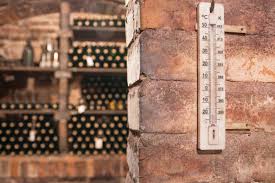
How to Serve Sweet Red Wine (Temperature Matters)
Serving temperature changes everything. Too warm, and sweet reds taste flabby and alcoholic. Too cold, and flavors shut down.
| Wine | Ideal Temp | How to Achieve |
|---|---|---|
| Ruby/Tawny Port | 60–65°F (15–18°C) | Cellar temp; 15 min out of fridge |
| Brachetto | 50–55°F (10–13°C) | 1 hour in fridge before serving |
| Sweet Lambrusco | 50–55°F (10–13°C) | Same as Brachetto |
| Recioto | 60–65°F (15–18°C) | Same as Port |
Quick hack: No thermometer? Put the bottle in the fridge for 20–30 minutes before serving. For lighter sweet reds, aim for 45 minutes.
Food Pairing Cheat Sheet
- Ruby Port – Dark chocolate torte, blackberry pie, Stilton cheese
- Tawny Port – Caramel flan, pecan pie, almond biscotti
- Brachetto – Fresh strawberries, whipped cream, lemon sorbet
- Sweet Lambrusco – Pepperoni pizza, BBQ ribs, prosciutto-wrapped melon
- Recioto – Chocolate truffles, cherry clafoutis, vanilla ice cream
Frequently Asked Questions (FAQ)
1. What red wine is the sweetest among everyday grocery store wines?
The sweetest red you’ll commonly find in a regular grocery store is Ruby Port or Sweet Lambrusco (labeled “Dolce” or “Amabile”). Both are usually stocked near dessert wines or Italian sections. If you see a bottle labeled “Sweet Red Blend” from California or Australia, check the alcohol level—if it’s below 10% ABV, it’s likely very sweet.
2. Is Merlot or Cabernet Sauvignon ever sweet?
No, not in their standard forms. Merlot and Cabernet Sauvignon are almost always fermented dry, meaning less than 2 g/L of residual sugar. They may smell fruity (like cherry or blackcurrant), but they taste dry. If you find a “sweet Merlot,” it’s likely a cheap commercial wine with added sugar—not a quality product.
3. Can I drink sweet red wine if I’m watching my sugar intake?
Yes, but in small portions. A 3-ounce (90 ml) pour of Ruby Port contains about 10–12 grams of sugar. Compare that to a slice of cake (30+ grams). Stick to a small glass, and skip other desserts. Or choose a semi-sweet Lambrusco (half the sugar) for a lighter option.
4. What is the difference between sweet red wine and dessert wine?
All dessert wines are sweet, but not all sweet reds are dessert wines. Dessert wines (like Port, Recioto, or Banyuls) are typically higher in alcohol (15–20%) and meant to be sipped after a meal. Sweet reds like Brachetto or sweet Lambrusco have lower alcohol (5–8%) and can be enjoyed as an aperitif or with a main course. The key is when you drink it, not just the sugar level.
5. Does aging make red wine sweeter?
No. Aging actually reduces perceived sweetness over time because fruit flavors fade and tannins soften. An old Port will taste less sweet than a young Ruby Port, even if the sugar level is the same. If you want maximum sweetness, buy young bottles (within 2–5 years of release).
Conclusion: Find Your Perfect Sweet Red
So, after all that, what red wine is the sweetest? For pure sugar content and rich, luscious flavor, Ruby Port takes the crown. But sweetness is personal. Maybe you’ll fall in love with the fizzy charm of Brachetto or the nutty elegance of Tawny Port.
The beautiful thing about wine is there’s no “right” answer—only what makes you smile. Start with a $12 bottle of sweet Lambrusco. If you love it, try a Ruby Port. If that feels too heavy, go for Brachetto. You’re not grading a test; you’re exploring flavors.
One last tip: Write down the names of bottles you enjoy. Take a photo of the label. Over time, you’ll recognize your favorite styles instantly.
Now go forth, grab a glass, and enjoy the sweeter side of red wine. Cheers! 🍷




Leave a Reply