
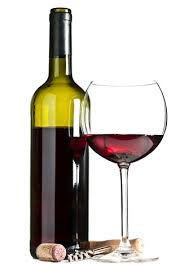
Introduction: The Invisible Worker in Your Glass
Have you ever raised a glass of cold beer, a glass of rich red wine, or a smooth whiskey and wondered where the alcohol actually comes from? It’s not magic. It’s not chemicals added by a machine. The real hero is so small you’d need a microscope to see it.
That hero is yeast.
Yes, yeast is used in the production of alcohol more than any other substance on earth. Without this single-celled fungus, there would be no beer, no wine, no champagne, and no spirits like vodka, rum, or tequila. In fact, most of the world’s alcoholic beverages exist only because of yeast’s unique ability to turn sugar into two very important things: alcohol and carbon dioxide.
In this article, we’ll explore exactly how yeast works its magic, why different types of yeast produce different kinds of alcohol, and how brewers and distillers have mastered the art of fermentation. Whether you’re a curious drinker, a homebrewer, or just someone who loves science, you’ll walk away with a deep appreciation for this microscopic powerhouse.
Let’s raise the curtain on the real star of the show.
What Exactly Is Yeast? A Quick Biology Refresher
Before we dive into fermentation, let’s get to know our tiny friend.
Yeast is a living, single-celled fungus. It belongs to the same kingdom as mushrooms and molds, but don’t let that scare you. There are over 1,500 known species of yeast, and they exist almost everywhere — on fruit skins, in the air, in soil, and even inside our own bodies.
The most famous species for alcohol production is Saccharomyces cerevisiae, which literally means “sugar fungus of beer.” You might also know it as “brewer’s yeast” or “baker’s yeast.”
Here’s what makes yeast special: it loves sugar. When yeast consumes sugar in an environment without oxygen (called an anaerobic environment), it doesn’t digest it the way we do. Instead, it breaks sugar down into two byproducts:
- Ethanol (alcohol)
- Carbon dioxide (gas)
That process is called fermentation, and it’s the foundation of almost every alcoholic beverage on the planet.
Fun fact: The carbon dioxide yeast produces is what gives beer its foam and champagne its bubbles. So yeast is responsible for both the kick and the fizz.
How Yeast Is Used in the Production of Alcohol: The Fermentation Process
Now let’s walk through the actual steps of how yeast turns a sugary liquid into an alcoholic drink. Whether you’re making wine from grapes, beer from barley, or rum from sugarcane, the core process is the same.
Step 1: Preparing the Sugary Base
Yeast cannot eat starch or complex carbohydrates directly. It needs simple sugars like glucose and fructose. So the first job is to create a sugar-rich liquid.
- For wine: Grapes are crushed. Grape juice is naturally full of simple sugars.
- For beer: Barley is malted (soaked, sprouted, and dried). This process breaks starches into fermentable sugars. The result is a sweet liquid called “wort.”
- For spirits like whiskey: A mash is made from grains like corn, rye, or barley, then heated to convert starches into sugars.
Step 2: Adding the Yeast
Once the sugary liquid is ready and cooled to the right temperature (usually between 15°C and 30°C or 59°F–86°F, depending on the yeast strain), the yeast is added. This step is called “pitching.”
Within minutes, the yeast wakes up and starts feeding.
Step 3: Anaerobic Fermentation
To force yeast to produce alcohol, oxygen must be removed or limited. If oxygen is present, yeast will simply “breathe” and multiply rapidly without making much alcohol. That’s great for growing more yeast, but bad for making drinks.
So brewers and winemakers seal their tanks or use airlocks that let carbon dioxide escape but keep oxygen out.
In this oxygen-free environment, yeast switches to fermentation mode. It consumes sugar and produces:
- Alcohol (typically 5–20% by volume for natural fermentation)
- CO₂ (which bubbles out or is captured for carbonation)
- Heat (fermentation can raise the temperature by several degrees)
Step 4: Waiting (Patience Is Key)
Fermentation isn’t instant. For a light beer, it might take 5–10 days. For a strong wine or spirit wash, it can take two weeks or more. During this time, the yeast works nonstop until one of three things happens:
- The sugar runs out.
- The alcohol concentration becomes too high for the yeast to survive (most strains die at 12–18% alcohol).
- The fermenter stops the process intentionally.
Step 5: The Result
What’s left is a liquid containing alcohol, water, and hundreds of flavor compounds (called congeners) that the yeast produced as byproducts. These congeners are what give different alcoholic drinks their unique tastes — fruity, spicy, floral, or earthy.
At this point, you have a base alcoholic beverage. Beer and wine are ready to age, filter, or package. For spirits, the liquid (now called a “wash”) is distilled to concentrate the alcohol.
Different Types of Yeast, Different Drinks
Not all yeast is the same. In fact, the specific strain of yeast chosen by a producer dramatically changes the flavor, aroma, and strength of the final drink.
| Yeast Type | Common Use | Key Characteristics |
|---|---|---|
| Saccharomyces cerevisiae (ale yeast) | Ale beer, bread, wine, whiskey | Top-fermenting, works at warmer temps (15–24°C), produces fruity and complex flavors |
| Saccharomyces pastorianus (lager yeast) | Lager beer, pilsners | Bottom-fermenting, works cold (7–15°C), produces clean, crisp flavors |
| Saccharomyces bayanus | Champagne, cider, high-gravity brewing | Very alcohol-tolerant (up to 18%), adds effervescence |
| Brettanomyces (wild yeast) | Sour beers, Belgian lambics | Produces funky, barnyard, or tart flavors; used deliberately or avoided as a contaminant |
| Torulaspora delbrueckii | Some wines and craft beers | Low alcohol production, enhances aromatic notes |
Real-Life Example: Why Your Favorite Beer Tastes Different
Let’s take a popular pale ale and a standard lager. Both use yeast. But an ale yeast ferments at room temperature and produces esters (compounds that smell like banana, pear, or apple). A lager yeast ferments cold and slowly, producing very few esters. That’s why a lager tastes clean and crisp, while an ale tastes bold and fruity.
The yeast didn’t just make alcohol — it wrote the entire flavor recipe.
Beyond Beer and Wine: Spirits, Cider, and Sake
While beer and wine are the most obvious examples, yeast is used in the production of alcohol for virtually every fermented and distilled drink.
Distilled Spirits (Whiskey, Vodka, Rum, Gin, Tequila)
In spirits, yeast first ferments a sugar-rich mash. Then the liquid is distilled — heated to separate alcohol from water based on boiling points. But without yeast’s initial work, there’s nothing to distill. Even the highest-end single malt Scotch starts with a simple truth: yeast ate sugar and made alcohol.
Hard Cider
Apple juice naturally contains sugars. Add a wine or champagne yeast, and within a week or two, you have hard cider. Many cider makers also use wild yeast found naturally on apple skins.
Sake (Japanese Rice Wine)
Sake is fascinating because rice doesn’t contain sugar. A special mold (Aspergillus oryzae) first breaks rice starches into sugar. Then yeast ferments that sugar into alcohol — all in the same container. It’s a parallel fermentation, and it’s brilliantly efficient.
Mead (Honey Wine)
Honey is roughly 80% sugar. Dilute it with water, add yeast, and you get mead — possibly the oldest alcoholic beverage known to humanity.
Factors That Affect Yeast Performance in Alcohol Production
If you’re a homebrewer or just curious, these are the variables that can make or break a batch.
Temperature
Too cold, and yeast goes dormant. Too hot (above 35°C or 95°F), and yeast produces harsh, solvent-like flavors or dies. Each strain has a “happy zone.”
Sugar Concentration
Too little sugar = low alcohol. Too much sugar = osmotic stress (yeast gets dehydrated and struggles). That’s why honey for mead is often added in stages.
pH Level
Yeast prefers a slightly acidic environment, around pH 4–6. Most fruit juices and mashes naturally fall into this range.
Nutrients
Yeast needs nitrogen, vitamins, and minerals to thrive. Winemakers often add “yeast nutrient” (diammonium phosphate) to grape must that’s low in natural nutrients.
Alcohol Tolerance
Most S. cerevisiae strains die at 12–15% alcohol. That’s why wine naturally stops fermenting around there. For stronger drinks like port or spirits, producers either use special high-tolerance yeast (up to 18–20%) or distill.
A Brief History: Yeast Before It Was Understood
Humans have been using yeast for alcohol for at least 9,000 years. Ancient Sumerians, Egyptians, and Chinese all made beer and wine without knowing yeast existed. They simply left sweet liquids out, and wild yeast from the air did the rest.
It wasn’t until 1857 that French microbiologist Louis Pasteur proved yeast was a living organism responsible for fermentation. Before Pasteur, people thought fermentation was a purely chemical reaction. Pasteur’s work also led to pasteurization (heating to kill unwanted microbes), which saved the wine and beer industries from spoilage.
So the next time you enjoy a drink, you can thank both ancient accident and 19th-century science.
Common Myths About Yeast and Alcohol
Let’s clear up a few misconceptions.
Myth 1: All yeast produces alcohol.
False. Many yeast species don’t produce significant alcohol. Some produce acids or other compounds. Only specific strains, mostly Saccharomyces, are good at ethanol production.
Myth 2: More sugar means more alcohol (indefinitely).
False. Once alcohol reaches a certain level (usually 15–20%), the yeast dies. You cannot make natural wine stronger than that without distillation.
Myth 3: Bread yeast works great for alcohol.
It works, but poorly. Bread yeast is bred for rapid CO₂ production (to make dough rise), not for flavor or alcohol tolerance. It often produces off-flavors and dies early.
Myth 4: Fermentation stops only when sugar runs out.
No. It can also stop due to high alcohol, temperature shock, lack of nutrients, or infection by wild microbes.
Practical Tips for Homebrewers and Beginners
If you’re thinking of making your own beer, wine, or cider at home, here are actionable tips:
- Use the right yeast. Don’t grab baking yeast from the kitchen. Buy a brewing or wine-making strain from a homebrew shop.
- Sanitize everything. One unwanted bacteria can turn your batch into vinegar.
- Control temperature. A closet in winter or a basement might be perfect. Use a stick-on thermometer on your fermenter.
- Be patient. Let fermentation finish completely (hydrometer readings help). Bottling too early creates bottle bombs from excess CO₂.
- Rehydrate dry yeast. Sprinkle dry yeast into warm water (30–35°C) for 15 minutes before pitching. It improves viability.
- Don’t seal airtight. Use an airlock. Otherwise, pressure builds and your fermenter could explode.
FAQ: Your Questions Answered
1. Is yeast used in the production of alcohol for all alcoholic drinks?
Yes. Every alcoholic beverage that is fermented — from beer and wine to sake, cider, mead, and spirits — relies on yeast. The only exception is chemically produced alcohol (industrial ethanol), but that’s not for drinking.
2. Can you make alcohol without yeast?
Technically no. You need a microorganism to convert sugar into alcohol. While some bacteria can produce small amounts of ethanol, they also produce unpleasant byproducts. For safe, tasty drinking alcohol, yeast is essential.
3. Why does fermentation stop before all sugar is gone?
Several reasons: the alcohol level becomes toxic to the yeast, the temperature drops too low, nutrients run out, or the pH changes unfavorably. Winemakers sometimes stop fermentation early to retain residual sweetness (like in off-dry Riesling).
4. Does the type of yeast affect hangovers?
Possibly. Some yeast strains produce higher levels of congeners (like fusel alcohols), which are linked to more severe hangovers. Cleaner-fermenting strains (like many lager yeasts) tend to produce fewer congeners. But overall, drinking less alcohol is the real cure.
Conclusion: The Unsung Hero of Every Toast
From a cold lager on a hot day to a fine champagne at a wedding, none of it would exist without one tiny, tireless organism. Yeast is used in the production of alcohol in ways that are both beautifully simple and scientifically profound. It takes sugar, hides from oxygen, and gives us two gifts: ethanol for enjoyment and carbon dioxide for life and bubbles.
Understanding yeast isn’t just for brewers or biologists. It’s for anyone who has ever enjoyed a drink and wondered, “How did this happen?” The answer is everywhere, floating in the air, resting on grape skins, and waiting in little packets at homebrew shops.
So the next time you clink glasses, take a moment to thank the real MVP. It’s not the barley, the grape, or the barrel. It’s the yeast — the invisible, living, sugar-eating fungus that has been humanity’s fermentation partner for thousands of years.
And now you know exactly how it works.

Leave a Reply