
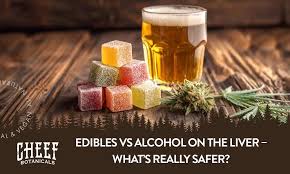
Let’s be real for a second. If you enjoy winding down with a cannabis gummy or a glass of wine, you’ve probably wondered which one is the lesser evil for your body. And when it comes to your liver—that hardworking organ that filters everything you consume—the stakes are high.
We’ve all heard the warnings about alcohol and cirrhosis. But now that edibles are becoming as common as coffee shops on every corner, a new question is floating around: are edibles as bad for your liver as alcohol?
It’s a fair question. After all, both are substances you ingest. Both can make you feel different. Both are metabolized by your body. But equating a brownie with a bottle of whiskey? That’s where things get tricky.
In this article, we’ll cut through the noise. You’ll learn exactly how your liver processes edibles versus alcohol, what the research actually says, and whether you need to worry about that nightly gummy. No judgment. Just science and practical advice.
How Your Liver Works: The Body’s Filtration System
Before we compare anything, let’s quickly appreciate what your liver does. Think of it as a 24/7 chemical processing plant. Every time you eat, drink, or take a substance, your liver steps in to break it down, remove toxins, and convert nutrients into energy.
Your liver is remarkably resilient. It can regenerate itself. But it also has limits. Chronic overload—whether from fat, sugar, medications, or certain substances—can lead to inflammation, scarring, and eventually liver disease.
So where do edibles and alcohol fit into this picture? Very differently, as it turns out.
How Alcohol Harms the Liver (The Ugly Truth)
Alcohol is a direct toxin to liver cells. When you drink, your liver prioritizes metabolizing alcohol over almost everything else. Why? Because alcohol is dangerous if left in your bloodstream.
Here’s what happens step by step:
- Step 1: An enzyme called alcohol dehydrogenase (ADH) breaks alcohol down into acetaldehyde—a highly toxic compound and known carcinogen.
- Step 2: Another enzyme, aldehyde dehydrogenase (ALDH), tries to convert that acetaldehyde into harmless acetate.
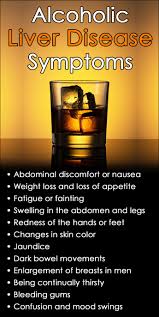
- Step 3: If you drink more than your liver can handle, acetaldehyde builds up. This damages liver cells, causes inflammation, and triggers fat buildup.
Over time, this leads to a predictable progression:
- Fatty liver disease (steatosis) – reversible if you stop drinking.
- Alcoholic hepatitis – inflammation and liver cell death.
- Cirrhosis – permanent scarring that impairs liver function.
- Liver failure or cancer – the end stage.
The numbers don’t lie. According to the CDC, alcohol-related liver disease contributes to over 20,000 deaths annually in the U.S. alone. And it doesn’t take decades for some people. Heavy drinking for as little as a few months can cause fatty liver.
How Edibles Are Processed (A Completely Different Path)
Now let’s talk about cannabis edibles—gummies, chocolates, baked goods, or drinks infused with THC (the psychoactive compound) or CBD.
When you eat an edible, it doesn’t go straight to your bloodstream like smoking or vaping. Instead, it passes through your digestive system and then your liver. This is called first-pass metabolism.
Here’s the key difference: your liver doesn’t treat THC as a toxin the way it treats alcohol. Instead, it uses a family of enzymes called cytochrome P450 (specifically CYP2C9 and CYP3A4) to convert THC into a more potent form called 11-hydroxy-THC. That’s why edibles can feel stronger and last longer than smoking.
But is that process damaging to the liver?
So, Are Edibles as Bad for Your Liver as Alcohol? The Direct Answer
Let’s answer the headline question clearly: No, edibles are not as bad for your liver as alcohol. Not even close.
Current medical evidence shows that moderate use of cannabis edibles does not cause liver damage in healthy people. Alcohol, even in moderate amounts, directly injures liver cells and causes inflammation.
However—and this is important—there are some caveats. In very specific situations, edibles might pose risks to the liver. But comparing the two is like comparing a papercut to a stab wound. Both break skin, but one is far more serious.
Let’s break down exactly why alcohol wins the “worst for your liver” award by a landslide.
Head-to-Head Comparison: Edibles vs. Alcohol for Liver Health
| Factor | Alcohol | Edibles (THC/CBD) |
|---|---|---|
| Direct toxicity to liver cells | Yes, well-documented | No direct toxicity |
| Causes fatty liver | Yes, common | No evidence |
| Causes cirrhosis | Yes, leading cause | No evidence |
| Liver enzyme elevation | Yes, with heavy use | Rare, usually mild |
| Regeneration interference | Yes, blocks healing | Minimal to none |
| Safe for existing liver disease | No, strictly avoid | Possibly, but consult doctor |
The table above tells the story. Alcohol actively attacks the liver. Edibles simply pass through it.
What the Research Actually Says
You might have seen scary headlines about cannabis and liver health. Let’s look at what real studies found.
The Good News for Edibles
A 2021 study published in Liver International looked at over 300,000 people with non-alcoholic fatty liver disease (NAFLD). Researchers found that cannabis users had lower odds of developing liver cancer and lower mortality rates compared to non-users. The study suggested that cannabinoids might have anti-inflammatory effects on the liver.
Another study in Molecules (2019) reviewed CBD’s effects on liver disease. It found that CBD actually reduced liver inflammation and fibrosis in animal models. That’s the opposite of what alcohol does.
The Important Caveat (Don’t Ignore This)
Here’s where nuance matters. A 2019 FDA review of a CBD product (Epidiolex) noted that in a small number of patients with severe, rare forms of epilepsy, high doses of pharmaceutical CBD caused elevated liver enzymes. Those patients were also taking other medications like valproate (a known liver stressor).
The takeaway? Extremely high doses of isolated CBD—far above what any regular edible consumer takes—might stress the liver in vulnerable people. But that’s not the same as saying a 10mg THC gummy is damaging your liver.
When Edibles Could Be Risky for Your Liver
Let’s be fair. While the answer to “are edibles as bad for your liver as alcohol” is a clear no, there are scenarios where caution makes sense:
- You have pre-existing liver disease (hepatitis C, cirrhosis, NAFLD). Your liver is already compromised. Any substance, including edibles, should be discussed with your hepatologist.
- You take certain medications. Edibles interact with the same liver enzymes (CYP450) that process blood thinners (warfarin), some seizure meds, and certain antidepressants. This doesn’t damage your liver, but it can alter drug levels in your blood.
- You use extremely high doses daily. There’s very little research on what 500mg of THC daily for years does to the liver. Moderation is still wise.
- You combine edibles with alcohol. This is the real danger zone. Alcohol and edibles together can amplify side effects and potentially stress the liver more than either alone.
Real-Life Case: Two Friends, Two Livers
Meet Jake and Maria. Both are 35 years old.
Jake drinks four to five beers every night after work. He says it helps him relax. After eight years, his doctor diagnoses him with alcoholic fatty liver disease. His liver enzymes are elevated. He’s tired all the time. The doctor warns him: keep drinking, and you’re looking at cirrhosis in five to ten years.
Maria takes a 10mg THC gummy three to four nights a week for sleep and anxiety. She’s done this for five years. Her last physical showed completely normal liver enzymes. Her doctor notes she’s in excellent health.
This isn’t a fictional story. This pattern plays out in clinics every single day. Alcohol causes measurable liver damage in millions. Edibles, for the vast majority, do not.
Tips for Protecting Your Liver (Whether You Use Edibles or Drink)
Regardless of what you choose, your liver will thank you for these habits:
- Stay hydrated. Water helps your liver flush out toxins.
- Limit sugar and processed foods. Fatty liver is often caused by diet, not just alcohol.
- Avoid mixing substances. Combining edibles with alcohol or acetaminophen (Tylenol) adds unnecessary stress.
- Get vaccinated for hepatitis A and B. These viruses attack the liver.
- Take medication breaks when possible. Your liver needs rest days too.
- Talk to your doctor. Be honest about your edible use, especially if you have other health conditions.
The Role of CBD vs. THC Edibles
One more layer: not all edibles are the same. CBD-dominant edibles (with very little THC) are generally considered even safer for the liver. Some studies even suggest CBD has protective, anti-inflammatory effects on liver tissue.
THC-dominant edibles are also safe for most people, but they carry the same first-pass metabolism through the liver. That’s why edibles take longer to kick in (30–90 minutes) and last longer (4–8 hours) compared to smoking.
If you have mild liver concerns, starting with low-THC or CBD-only edibles is a reasonable choice. But again, if you have diagnosed liver disease, talk to your specialist first.
Common Myths About Edibles and Liver Health
Let’s clear up a few misconceptions:
Myth #1: “Edibles cause cirrhosis like alcohol.”
Fact: There is zero scientific evidence that edibles cause cirrhosis. Cirrhosis is scarring from chronic inflammation. Edibles don’t inflame liver tissue the way alcohol does.
Myth #2: “Your liver works just as hard breaking down edibles as alcohol.”
Fact: Your liver metabolizes many things. The issue isn’t “effort.” It’s toxicity. Alcohol creates toxic byproducts (acetaldehyde). Edibles do not.
Myth #3: “One edible is worse than one beer.”
Fact: One beer directly stresses liver cells. One edible passes through the liver without causing damage in a healthy person. They’re not comparable.
FAQ Section
1. Are edibles as bad for your liver as alcohol if you take them every day?
No. Daily moderate edible use has not been shown to cause liver damage in healthy individuals. Daily alcohol use, even in moderate amounts, increases liver disease risk over time. However, if you take very high doses of edibles daily (e.g., 100mg+ THC), we lack long-term safety data. Moderation is still wise.
2. Can edibles cause fatty liver disease?
There is no scientific evidence that edibles cause fatty liver disease. Fatty liver is primarily caused by alcohol, obesity, high sugar intake, and insulin resistance. Some animal studies even suggest cannabinoids may reduce fat accumulation in the liver.
3. Is it safe to take edibles if I already have liver cirrhosis?
You must ask your hepatologist. Cirrhosis changes how your liver processes everything, including medications and edibles. In some cases, low doses might be fine. In others, your doctor may advise against it. Never start edibles with advanced liver disease without medical guidance.
4. Which is worse for overall health: alcohol or edibles?
For liver health specifically, alcohol is far worse. For overall health, alcohol carries risks of cancer, heart disease, and addiction that edibles do not. However, edibles have their own risks: impaired driving, anxiety or paranoia at high doses, and potential interactions with medications. Neither is risk-free, but alcohol is consistently more harmful to the liver.
Strong Conclusion: What You Should Remember
Let’s bring it all home.
The question are edibles as bad for your liver as alcohol has a clear, evidence-based answer: No. Alcohol directly injures liver cells, causes fatty liver, inflammation, and cirrhosis. Edibles pass through the liver without the same toxic byproducts. For a healthy person, moderate edible use does not pose a liver risk.
That doesn’t mean edibles are completely harmless. They can interact with medications. Extremely high doses of CBD have shown mild liver enzyme changes in vulnerable patients. And if you have existing liver disease, you need a doctor’s advice.
But comparing a nightly gummy to nightly drinks? That’s not a fair fight. Alcohol is a known liver toxin. Edibles are not.
If you’re concerned about your liver—whether from past drinking, medication use, or diet—talk to your doctor. Get your liver enzymes checked. And if you choose to use edibles, do so responsibly. Start low, go slow, and never drive impaired.
Your liver works hard for you every single day. Give it a fighting chance. And now you know: that occasional edible isn’t the enemy. The bottle of whiskey on the shelf? That’s a different story.




Leave a Reply