
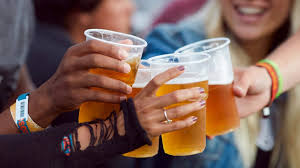
You’ve just poured a glass of wine or cracked open a cold beer after a long day. You take that first sip, then another. A few minutes pass, and you start to wonder: When will I actually feel something?
Whether you’re drinking socially, trying to pace yourself at a party, or simply curious about your body’s chemistry, understanding how long does it take for alcohol to kick in is essential. The short answer? Anywhere from 15 to 45 minutes. But the real story is much more fascinating—and knowing it could help you make safer, smarter choices.
In this guide, we’ll break down the exact timeline, the surprising factors that speed up or slow down absorption, common myths, and practical tips to stay in control. Let’s dive in.
The Short Answer: The Typical Timeline
So, how long does it take for alcohol to kick in? For most people on an empty stomach, you’ll begin to notice mild effects within 10 to 15 minutes. Peak blood alcohol concentration (BAC) usually hits between 30 and 90 minutes after your last drink.
Here’s a simple minute-by-minute look:
- 0–5 minutes: Alcohol enters your stomach. No effects yet.
- 5–10 minutes: Small amounts begin absorbing through the stomach lining.
- 10–15 minutes: You may feel a slight warmth, relaxation, or lightheadedness.
- 30–45 minutes: Most people feel the full “kick” – lowered inhibitions, slowed reflexes, mood changes.
- 60–90 minutes: BAC peaks. This is when you’ll feel the strongest effects.
- 2–3 hours: Effects begin to fade as your liver processes the alcohol.
Keep in mind: this timeline varies wildly from person to person. Let’s explore why.
How Your Body Absorbs Alcohol (The Simple Science)
You don’t need a medical degree to understand this. Think of your body as a system with three main steps:
- Absorption – Alcohol travels from your mouth, down your esophagus, into your stomach and small intestine.
- Distribution – It enters your bloodstream and travels to your brain, liver, and other organs.
- Metabolism – Your liver breaks down about 90% of the alcohol at a fixed rate (roughly one standard drink per hour).
The “kick” you feel happens during the absorption and distribution phases. Alcohol affects your brain’s GABA and glutamate neurotransmitters—the same ones that regulate calmness and excitement. That’s why you feel relaxed, chatty, or uncoordinated.
Key takeaway: The faster alcohol enters your bloodstream, the quicker and stronger the kick.
7 Critical Factors That Change How Fast Alcohol Hits You
Two people can drink the exact same amount at the exact same time, and one will feel tipsy in 10 minutes while the other feels nothing for an hour. Here’s why.
1. Food in Your Stomach (The Biggest Factor)
This is #1 for a reason. A full stomach slows down the rate at which alcohol reaches your small intestine (where absorption is fastest).
- Empty stomach: Alcohol hits your bloodstream fast and hard. Kick-in time: 10–20 minutes.
- Full stomach (especially fatty foods): Food acts like a sponge. Kick-in time: 30–90 minutes.
Pro tip: Eat a meal with healthy fats (avocado, nuts, cheese) before drinking. It won’t prevent intoxication, but it will smooth out the curve.
2. What You’re Drinking
Not all alcohol is created equal.
- Carbonated drinks (champagne, whiskey & soda, beer with high carbonation): The bubbles increase pressure in your stomach, pushing alcohol into the small intestine faster. Result? A quicker kick.
- High-proof spirits (vodka, tequila, whiskey): Can irritate the stomach lining, potentially speeding absorption slightly.
- Wine or still cocktails: Typically slower absorption than carbonated options.
3. Your Body Weight and Composition
A larger person generally has more blood and water volume to dilute the alcohol. That means the same drink will produce a lower BAC and may feel slower to “kick in.” However, body fat percentage matters too: alcohol is water-soluble, not fat-soluble. So two people weighing 180 lbs—one muscular, one with higher body fat—will experience different effects.
4. Your Sex (Biologically)
On average, women feel the effects of alcohol faster than men, even at the same weight. Why?
- Women typically have less of the enzyme alcohol dehydrogenase (ADH) in their stomachs, which breaks down alcohol before it enters the bloodstream.
- Women generally have a higher percentage of body fat and less body water, so alcohol is less diluted.
5. How Fast You Drink
This one is obvious but crucial. If you slowly sip a single beer over an hour, you may never feel a strong “kick.” If you down three shots in 10 minutes, you’ll feel it hard and fast. Your liver can only process about one standard drink per hour—anything beyond that accumulates.
6. Your Tolerance Level
Regular drinkers often feel the initial effects later than occasional drinkers, not because the alcohol is absorbing slower, but because their brain has adapted. The same BAC produces less noticeable effects. This is dangerous: you might feel “fine” while your BAC is climbing toward risky levels.
7. Medications and Health Conditions
Certain medications (antidepressants, opioids, antihistamines, some diabetes drugs) can amplify or speed up alcohol’s effects. Also, people with gastritis, stomach ulcers, or gastric bypass surgery absorb alcohol much faster.
Carbonated vs. Still: Does Fizz Really Matter?
Yes. Science says so.
In a well-known 2007 study, researchers gave participants the same amount of vodka mixed with either still water or carbonated water. Those drinking the carbonated mix reached peak BAC 10–15 minutes faster and felt more intoxicated.
Real-life example: You’re at a wedding. You drink two glasses of champagne (carbonated) versus two glasses of still white wine. You’ll likely feel the champagne’s effects noticeably sooner—even if the alcohol percentage is identical.
Takeaway: If you want to pace yourself, be extra mindful with sparkling drinks, hard seltzers, and whiskey sodas.
The Empty Stomach Myth (And Truth)
We’ve all heard it: “Drinking on an empty stomach gets you drunk faster.” That’s completely true. But let’s break down how much faster.
| Situation | Time to Feel First Effects | Time to Peak BAC |
|---|---|---|
| Empty stomach | 10–15 minutes | 30–45 minutes |
| Light snack (fruit, toast) | 15–25 minutes | 45–60 minutes |
| Full meal (protein + fat) | 30–60 minutes | 60–90 minutes |
What many people don’t realize: an empty stomach doesn’t just make alcohol kick in faster—it also leads to a higher peak BAC. That means you feel more drunk, more quickly, and the crash can be harder.
Myth busted: Some think eating after drinking will “sober you up.” False. Food in your stomach only slows absorption of alcohol you haven’t yet consumed. Once alcohol is in your blood, food won’t remove it.
How Long Does It Take to Feel Different Drinks?
Let’s get specific. Based on an average 160-lb person on a moderately empty stomach:
- Beer (5% ABV, one 12oz can): 15–25 minutes for mild relaxation
- Wine (12% ABV, one 5oz glass): 10–20 minutes
- Hard seltzer (5% ABV, carbonated): 12–18 minutes (faster due to bubbles)
- Spirit + still mixer (vodka soda, no fizz): 15–25 minutes
- Spirit + carbonated mixer (rum & coke): 10–20 minutes
- Shot of liquor (40% ABV, 1.5oz): 5–15 minutes (very fast, especially on empty stomach)
Important: A shot and a beer can have the same amount of pure alcohol (about 0.6 oz). But the shot hits faster because you consume it in seconds, not over 15–20 minutes.
Signs That Alcohol Is “Kicking In”
Not everyone recognizes the early signs. Here’s what to watch for in yourself or a friend:
- Mild: Warm feeling in chest/face, slight relaxation, more talkative, minor giddiness
- Moderate: Lowered inhibitions (saying or doing things you normally wouldn’t), slowed reaction time, slightly slurred speech
- Strong: Difficulty focusing eyes, poor balance, exaggerated emotions, nausea
If you’re asking yourself “Do I feel it yet?”—wait another 15 minutes before having another drink. The peak is often still coming.
Real-Life Scenarios: When to Expect the Kick
Scenario A: After-work happy hour
You haven’t eaten since noon. You order a gin and tonic (carbonated). You’ll feel the first effects in about 8–12 minutes. By 30 minutes, you’ll likely feel moderately buzzed.
Scenario B: Dinner party
You eat a full pasta meal with garlic bread. Then you have a glass of red wine. You might not feel anything for 30–40 minutes. The alcohol is there—it’s just being absorbed slowly alongside the food.
Scenario C: Nightclub with champagne
You’re standing, active, and drinking bubbly. The carbonation + empty stomach (if you haven’t eaten) means you could feel effects in under 10 minutes. This is a high-risk scenario for over-drinking.
Common Mistakes That Lead to Over-Drinking
- “I don’t feel it yet, so I’ll have another.” – The most dangerous phrase. Because of the 30–60 minute peak delay, you can easily overshoot.
- Switching from slow to fast drinks. – Starting with beer (slow) then doing shots (fast) can sneak up on you.
- Drinking on an empty stomach after a workout. – Your body absorbs even faster when dehydrated.
- Ignoring carbonation. – Those hard seltzers and champagne flutes are deceptively quick.
Golden rule: Wait at least 45 minutes after your first drink before deciding if you want a second.
How Long Does It Take to Sober Up? (Related but Different)
While this article focuses on the kick-in time, many readers also want to know the flip side. Once alcohol has kicked in, how long until you’re back to normal?
- Your liver processes roughly one standard drink per hour.
- That means if you drink four beers in two hours, you’ll need about four hours after your last drink to reach zero BAC.
- Coffee, cold showers, and fresh air do not speed this up. Only time works.
Never drive if you’ve had more than one drink in the past hour. And remember: feeling “fine” doesn’t mean your BAC is legal or safe.
FAQ: Your Top Questions Answered
1. Can you feel alcohol instantly?
No. Even if you chug a drink, it takes at least 5–10 minutes for enough alcohol to pass through your stomach lining, enter your bloodstream, and reach your brain. Any “instant” feeling is usually psychological anticipation or the sensation of the cold liquid.
2. Why does alcohol sometimes take over an hour to kick in?
This usually happens if you’ve eaten a large, fatty meal right before drinking. Food physically blocks alcohol from reaching your small intestine, where most absorption happens. Carbonated drinks can speed this up, but a full stomach remains the strongest slowdown factor.
3. Does drinking water slow down how fast alcohol kicks in?
Not directly. Water dilutes the alcohol in your stomach slightly, but the main effect is reducing dehydration and hangover severity. If you alternate water with alcohol, you’re simply drinking alcohol more slowly, which does slow the kick-in because you’re spacing out your drinks.
4. How long after your first drink should you wait before driving?
Zero drinks is the only safe answer. Legally, many places set the limit at 0.08% BAC. But given that alcohol can take 30–90 minutes to peak, you could feel fine at 20 minutes and be over the limit at 50 minutes. Wait a minimum of one hour per drink, but ideally, don’t drive at all if you’ve been drinking.
5. Why does the same amount of alcohol hit me differently on different days?
Your stomach contents, hydration level, sleep quality, stress, and even menstrual cycle (for women) all affect absorption. Tired or stressed? Alcohol often kicks in faster and feels stronger. Well-rested and well-fed? Much slower and milder.
Key Takeaways: Your Action Plan
Let’s bring it all together. Now that you understand how long does it take for alcohol to kick in, here’s how to use that knowledge:
- Always eat a meal before drinking if you want a slower, more predictable experience.
- Be cautious with carbonated drinks – they hit faster than you think.
- Wait 45 minutes after your first drink before deciding on a second. The peak hasn’t arrived yet.
- Track your drinks per hour – one standard drink per hour keeps most people at a low, steady BAC.
- Never rely on how you “feel” to judge your impairment. The timeline can deceive you.
Conclusion: Knowledge Is Your Best Drinking Buddy
Understanding how long does it take for alcohol to kick in isn’t about ruining your fun—it’s about keeping you safe, comfortable, and in control. Whether you’re hosting a party, going out with friends, or simply enjoying a quiet evening drink, knowing your body’s timeline helps you make smarter decisions.
Remember: alcohol doesn’t hit everyone the same way, at the same speed, or with the same intensity. Listen to your body, respect the delay, and when in doubt, slow down. A good time doesn’t require a fast kick—just a responsible one.
Drink wisely, eat well, and stay curious about how your own unique body works.


Leave a Reply