
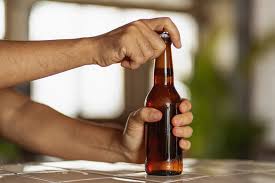
You’ve just had your wisdom teeth removed. You’re sore, swollen, and probably lying on the couch with an ice pack strapped to your face. All you want is a little relief—maybe a cold beer or a glass of wine to take the edge off.
But hold on.
Reaching for that drink too soon can turn a minor recovery into a painful nightmare. So, when can i drink alcohol after wisdom tooth extraction without ruining your healing process?
The short answer is: at least 72 hours (3 days) for most people, but ideally 7–14 days for complete safety.
In this guide, I’ll walk you through exactly why alcohol is risky after oral surgery, what happens if you drink too early, and a day-by-day timeline to help you make the smart choice. No judgment—just real, practical advice.
Why Is Alcohol Dangerous Right After Wisdom Tooth Removal?
Before we get into the timeline, let’s understand what’s happening inside your mouth.
After your tooth is pulled, a blood clot forms in the empty socket. Think of this clot as a natural bandage. It protects the underlying bone and nerve endings, and it’s the foundation for new tissue to grow.
Alcohol does three bad things to this process:
- It thins your blood. Alcohol is a natural anticoagulant. That means it can dislodge or prevent that crucial blood clot from forming properly.
- It dries out the socket. Alcohol dehydrates your body and your mouth. A dry socket (where the clot falls out or dissolves) is excruciating.
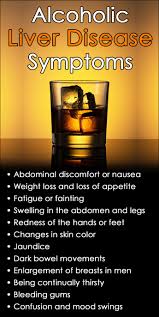
- It masks pain & interacts with medication. You might be prescribed antibiotics or opioids. Mixing alcohol with these can cause nausea, dizziness, or even liver stress.
So when you ask, “when can i drink alcohol after wisdom tooth extraction?”—the real question is: “when is my blood clot strong enough to survive alcohol?”
The #1 Risk: Dry Socket (And Why You Don’t Want It)
Let me paint a quick picture.
Dry socket (medically called alveolar osteitis) happens when that protective blood clot is lost within the first 3–5 days. The result? Exposed bone and raw nerve endings.
Symptoms include:
- Intense, throbbing pain that radiates to your ear or eye
- Bad taste in your mouth or bad breath
- Visible empty-looking socket (no dark red clot)
Drinking alcohol too soon is one of the fastest ways to cause dry socket. And trust me—you don’t want to go back to your dentist asking for a “clove packing” (a medicated dressing shoved into the hole). It’s not fun.
Real-life example: Sarah, 24, had her lower wisdom teeth removed. On day 2, she felt “fine” and had two white claws at a friend’s party. By midnight, she was crying from pain. Her dentist diagnosed dry socket and added another 10 days to her recovery.
When Can I Drink Alcohol After Wisdom Tooth Extraction? A Day-by-Day Timeline
Let’s break this down into clear, actionable days.
Day 0–3: Absolute Zero Alcohol (The Critical Window)
Why: Your blood clot is most fragile. Bleeding may still be happening. Pain and swelling peak.
Allowed? ❌ No. Not even a sip.
Even a small amount of alcohol (like a 4% beer) can irritate the wound and thin your blood. Also, if you’re taking prescription painkillers (like Vicodin, Percocet) or antibiotics (amoxicillin, clindamycin), mixing with alcohol can cause liver damage or severe stomach upset.
What to drink instead: Water, coconut water, sugar-free electrolyte drinks, or cold milk.
Day 4–7: Still High Risk (Proceed with Extreme Caution)
Why: The socket is still healing. The clot is more stable but not fully integrated into gum tissue.
Allowed? ⚠️ Only if:
- You have stopped taking all pain medication (including ibuprofen? Check with your doctor).
- There is no bleeding, no pain, and no swelling.
- You stick to one small drink (e.g., 5 oz wine or 12 oz beer) with food.
But honestly? Most oral surgeons still say “no” until day 7.
Day 7–14: Low Risk (But Still Not Ideal)
Why: The socket is now covered by pinkish gum tissue. The clot has been replaced by granulation tissue (new skin).
Allowed? ✅ Yes, in moderation.
- You can have 1–2 drinks.
- Avoid using a straw (still risky for up to 14 days).
- Rinse with salt water after drinking to clean the area.
Day 14+: Safe for Normal Drinking
Why: The wound is fully closed for most simple extractions. For impacted (surgical) wisdom teeth, healing may take 3–4 weeks.
Allowed? ✅ Yes, return to your normal habits—but always rinse afterward.
Note: If your extraction was complex (e.g., bone removal or stitches), wait a full 21 days.
What About Different Types of Alcohol? Beer vs. Wine vs. Spirits
Not all alcohol is equal when it comes to healing.
| Type | Risk Level | Why |
|---|---|---|
| Beer (light) | Moderate | Carbonation can irritate socket; yeast may cause irritation. |
| Wine (red/white) | Moderate | Acidity burns tender tissue. Red wine stains clot (harder to monitor). |
| Spirits (vodka, whiskey) | High | High alcohol content = more dehydration + blood thinning. |
| Cocktails with citrus | High | Acid + sugar + alcohol = infection risk. |
| Hard seltzers | Moderate | Less sugar but still carbonated and alcoholic. |
Bottom line: If you absolutely must drink early (day 5–7), choose a low-alcohol, non-carbonated option like a watered-down wine or a light beer with no fizz (let it go flat first).
Medications That DO NOT Mix With Alcohol
This is a dealbreaker. Even if your socket feels fine, your medication might not.
| Medication | Effect with Alcohol |
|---|---|
| Opioids (codeine, tramadol) | Respiratory depression, drowsiness, fatal overdose risk |
| Ibuprofen (Advil, Motrin) | Stomach bleeding, kidney damage |
| Acetaminophen (Tylenol) | Liver failure (even moderate amounts) |
| Antibiotics (metronidazole, tinidazole) | Severe nausea, vomiting, racing heart (disulfiram-like reaction) |
| Sedatives (diazepam, lorazepam) | Extreme dizziness, memory loss, slowed breathing |
Rule of thumb: For 48 hours after your last dose of any prescription med, do not drink.
5 Tips If You Choose to Drink During Recovery
Let’s say you’re on day 6, feeling great, and you have a wedding or birthday. If you decide to drink, follow these rules:
- Use a cup, not a straw. Suction dislodges clots. Drink straight from the rim.
- Rinse with warm salt water before and after. (1/2 tsp salt in 1 cup water)
- Avoid crunchy chasers. No pretzels, chips, or nuts that can get stuck in the socket.
- Stay upright. Don’t lie down right after drinking—gravity helps keep the clot in place.
- Stop at one drink. Your tolerance is lower due to pain, meds, and reduced eating.
Signs You Drank Too Early (And What To Do)
If you already had a drink and now notice any of these, call your dentist:
- Sudden, worsening pain not relieved by OTC meds
- Visible empty socket (no dark red or jelly-like clot)
- Bad taste that won’t go away
- Swelling that increases after day 3
- Fever over 101°F (38.3°C) – could be infection
Immediate steps: Stop drinking. Rinse gently with salt water. Apply a cold compress. Take ibuprofen if allowed. See your dentist tomorrow.
What About Non-Alcoholic Beer or Wine?
Great question. Non-alcoholic beer/wine still contains 0.5% or less alcohol by volume. That’s negligible for blood thinning.
Verdict: Likely safe after day 3–4. However, the carbonation in NA beer can still irritate. Stick to non-alcoholic wine or flat NA beer.
Frequently Asked Questions (FAQ)
1. Can I drink alcohol 24 hours after wisdom tooth extraction?
No. That’s far too early. Your blood clot is still fresh and easily dislodged. Drinking within 24 hours significantly increases your risk of dry socket and prolonged bleeding. Wait at least 72 hours, but preferably 7 days.
2. Can I drink through a straw if I’m having alcohol?
Absolutely not. The suction motion from a straw is one of the leading causes of dry socket—regardless of what liquid you’re drinking. Always sip from a cup or bottle directly.
3. Does smoking or vaping affect the same timeline as alcohol?
Yes—but smoking/vaping is actually worse. The suction (like a straw) plus the heat and chemicals in smoke directly kill healing cells. If you smoke, wait at least 72 hours for nicotine replacement patches. For alcohol, the timeline above applies. Combining both? Double the risk.
4. How will I know when it’s 100% safe to drink normally?
You’ll know your socket is healed when:
- There’s no hole or indentation (it feels smooth with your tongue)
- You can eat crunchy foods (chips, nuts) without pain or debris getting stuck
- Your dentist says “all clear” at your follow-up (usually day 7–10)
Until then, treat alcohol like spicy food or popcorn—gentle caution.
Strong Conclusion: Your Healing Is Worth More Than One Drink
Here’s the honest truth.
When can i drink alcohol after wisdom tooth extraction? You can physically take a sip on day 1. But you shouldn’t. The real answer is: wait 7 days for low risk, 14 days for zero worry.
I know recovery is boring. I know you want to feel normal again. But dry socket is not a “maybe” risk—it’s a “when” risk if you drink too early. One glass of wine is not worth another week of throbbing pain, a second dental visit, and possibly antibiotics.
Do this instead: mark your calendar. Day 1–3: rest and hydrate. Day 4–7: soft foods and patience. Day 8: that first cold beer will taste so much better when you know your mouth is safe.
Your future self (pain-free and clinking glasses with friends) will thank you.





Leave a Reply