
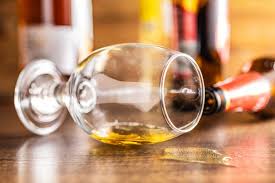
You’ve had a few drinks. Now you’re staring at the clock, wondering if you’re safe to drive, go back to work, or just stop feeling fuzzy. You might be asking yourself: how long does it take to sober up from alcohol?
The short answer? Much longer than most people think.
Despite what you’ve heard—no, coffee won’t help. A cold shower won’t work. And that “walk around the block” trick? Completely useless.
In this guide, we’ll break down exactly what happens inside your body after drinking, how long it really takes to feel normal again, and why the only true cure for intoxication is time. By the end, you’ll have a clear, science-backed answer—and you’ll never fall for a “sober-up fast” myth again.
What Does “Sobering Up” Actually Mean?
Before we dive into timelines, let’s get clear on one thing: sobering up means your liver has completely broken down (metabolized) the alcohol in your bloodstream. It does not mean “feeling less drunk.”
When you drink, alcohol enters your bloodstream through your stomach and small intestine. From there, it travels to your brain, where it slows down communication between nerve cells. That’s why you feel relaxed, uncoordinated, or impaired.
Your liver does all the heavy lifting. It processes about 90% of the alcohol you consume. The rest leaves through your breath, sweat, and urine (which is why breathalyzers work).
Here’s the kicker: your liver can only process a fixed amount of alcohol per hour. No tricks. No shortcuts.
The Golden Rule: One Drink, One Hour
Let’s get straight to the answer. On average, how long does it take to sober up from alcohol?
About one hour per standard drink.
That’s the medical reality. For every “standard drink” you consume, your body needs roughly 60 to 90 minutes to metabolize it completely.
What counts as one standard drink?
- 12 ounces of regular beer (5% ABV)
- 5 ounces of wine (12% ABV)
- 1.5 ounces of distilled spirits (40% ABV, like vodka, whiskey, or gin)
So if you’ve had three beers starting at 9:00 PM, you won’t be fully sober until approximately midnight to 1:00 AM—assuming you stopped drinking at 10:00 PM.
But here’s where people get into trouble: most people don’t drink “one drink per hour.” They drink faster than their liver can keep up. That means your blood alcohol concentration (BAC) keeps rising even after you stop drinking.
How Long Does It Take to Sober Up from Alcohol by Number of Drinks?
Let’s make this practical. Here’s a rough timeline based on how many standard drinks you’ve had. Remember: these are estimates. Your actual time may vary (more on that in a moment).
| Number of Drinks | Approximate Sobering Time |
|---|---|
| 1 drink | 1 – 1.5 hours |
| 2 drinks | 2 – 3 hours |
| 3 drinks | 3 – 4.5 hours |
| 4 drinks | 4 – 6 hours |
| 5 drinks | 5 – 7.5 hours |
| 6+ drinks | 6 – 9+ hours (possibly next morning) |
So if you’ve had four drinks at a party that ends at 11:00 PM, you likely won’t be fully sober until 3:00 AM to 5:00 AM.
Important: Feeling “less drunk” does not mean you are sober. Your reaction time, judgment, and coordination remain impaired long after the buzz fades.
7 Factors That Change How Long It Takes to Sober Up
Not everyone processes alcohol at the same speed. Here’s why how long it takes to sober up from alcohol can look very different for two people who drank the same amount.
1. Your Weight and Body Composition
Alcohol is water-soluble. If you have more body water (typically higher muscle mass), alcohol becomes more diluted. A larger person often sobers up slightly faster than a smaller person—but not dramatically.
2. Your Sex
Biologically, women tend to have less of the enzyme alcohol dehydrogenase in their stomachs. They also have higher body fat percentages (fat retains alcohol). As a result, women typically take 20–30% longer to sober up than men of the same weight.
3. How Fast You Drank
Downing three drinks in one hour is very different from sipping three drinks over three hours. Your liver can only handle about one drink per hour. Anything beyond that stacks up.
4. Food in Your Stomach
Eating a heavy meal before or while drinking slows alcohol absorption. That doesn’t mean you sober up faster—it just means your BAC rises more slowly. You’ll still need the same total time to metabolize everything.
5. Your Liver Health
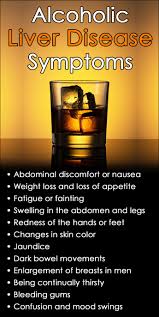
Chronic heavy drinking damages the liver. A damaged liver processes alcohol much more slowly. If you have liver issues, how long it takes to sober up from alcohol could be double the normal time.
6. Your Age
As you get older, your body’s water percentage decreases and liver efficiency often declines. A 60-year-old will typically take longer to sober up than a 25-year-old after the same number of drinks.
7. Medications and Health Conditions
Many medications (antidepressants, painkillers, antibiotics, sleep aids) interfere with liver enzymes. Taking them with alcohol can double or triple your sobering time—and create dangerous side effects.
What Does NOT Help You Sober Up Faster (Myths Busted)
Let’s kill these myths once and for all. None of the following will change how long it takes to sober up from alcohol:
- ❌ Coffee – Caffeine makes you feel more alert, but your BAC remains unchanged. You’re just a wide-awake drunk person.
- ❌ Cold showers – Shocks your system but does nothing for your liver.
- ❌ Vomiting – Once alcohol is in your bloodstream, throwing up won’t remove it.
- ❌ Exercising – Sweating out alcohol is minimal (less than 2%). You’ll just get dehydrated.
- ❌ Eating greasy food – Food before drinking slows absorption. Food after drinking does almost nothing.
- ❌ Breathing deeply or drinking water – Both are healthy, but they won’t speed up liver metabolism.
The only thing that works? Time.
Real-Life Example: A Night Out Timeline
Let’s walk through a realistic scenario so you can see exactly how long it takes to sober up from alcohol in practice.
Sarah’s evening:
- 8:00 PM – Dinner with two glasses of wine (2 drinks)
- 9:30 PM – Goes to a bar, has two cocktails (2 more drinks)
- 11:00 PM – Stops drinking. Total: 4 standard drinks
Sarah’s sobering timeline:
- 11:00 PM – BAC peaks (around 0.08–0.10%, legally drunk in most states)
- 12:00 AM – Still impaired. BAC ~0.07%
- 1:00 AM – BAC ~0.05% (feeling more clear, but still not sober)
- 2:00 AM – BAC ~0.03%
- 3:00 AM – BAC near 0.00% (fully sober)
Sarah stops drinking at 11:00 PM but isn’t fully sober until 3:00 AM. If she had driven at 1:00 AM thinking “I feel fine,” she could still be over the legal limit.
How Long Does It Take to Sober Up from Alcohol for Driving?
This is the most important section of this article. Legally, “sober” usually means a BAC below 0.08% (or 0.05% in some countries). But here’s the scary truth: impairment begins long before 0.08%.
At just 0.02% BAC (after one drink), you already have:
- Reduced reaction time
- Difficulty multitasking
- Impaired night vision
So even if you feel “okay,” you are not safe to drive.
To get from 0.08% BAC to 0.00% BAC takes about 5 to 6 hours on average. That means if you stop drinking at midnight, you may not be legally sober to drive until 5:00 or 6:00 AM.
Many people wake up the next morning feeling fine but still have alcohol in their system. This is called “the morning after effect.” You can be arrested for DUI the next day if you still have alcohol in your blood.
Can You Speed Up How Long It Takes to Sober Up from Alcohol?
I’ve said it before, but it bears repeating: no. There is no scientifically proven way to speed up alcohol metabolism.
Your liver processes alcohol at a fixed rate: about 0.015% BAC per hour on average. That’s roughly one drink per hour.
Here’s what you can do to feel better while you wait:
- Drink water to combat dehydration (hangovers are partly from dehydration)
- Eat a balanced meal with carbs and protein to stabilize blood sugar
- Sleep – your body metabolizes alcohol at the same rate awake or asleep, but sleep helps you feel less miserable
- Take a pain reliever (avoid Tylenol/acetaminophen – it’s hard on the liver combined with alcohol)
But again: none of these make you sober faster. They just make the waiting more comfortable.
How to Know When You’re Fully Sober
Since you can’t feel your BAC, here are reliable signs that how long it takes to sober up from alcohol has finally passed for you:
✅ Your balance is completely normal (try standing on one foot)
✅ Your speech is clear and natural
✅ You can walk in a straight line without swaying
✅ Your reaction time feels sharp (try catching a dropped pen)
✅ You don’t feel any “buzz” or warmth
✅ At least 1 hour has passed per drink since your last alcoholic beverage
When in doubt, wait another hour. Or better yet, use a personal breathalyzer if you drink often. They cost $30–$50 and remove all guesswork.
FAQ: How Long Does It Take to Sober Up from Alcohol?
Q1: Can I sober up in 2 hours if I drink a lot of water?
No. Water helps with hydration and hangover symptoms, but it does not speed up your liver’s alcohol processing. You will not be sober in 2 hours if you’ve had more than 2 drinks.
Q2: How long does it take to sober up from alcohol after blacking out?
Blacking out means your BAC was very high (typically 0.16% or more). To go from 0.16% to 0.00% takes about 10 to 12 hours. You will likely still be impaired when you wake up.
Q3: How long does it take to sober up from alcohol if I haven’t eaten?
Without food, alcohol absorbs faster, so your BAC rises more quickly. However, the total time to metabolize the same number of drinks is roughly the same. You might feel worse, but the clock doesn’t change much.
Q4: Does sleep help you sober up faster?
No. Your liver works at the same speed whether you’re awake or asleep. However, sleep allows you to rest while your body does its work. You’ll wake up sober if enough time has passed—but sleeping for 4 hours after 6 drinks won’t make you sober.
The Bottom Line: Plan Ahead, Don’t Guess
So, how long does it take to sober up from alcohol?
Roughly one hour per standard drink. No exceptions. No shortcuts.
If you’ve had 4 drinks, plan for 4 to 6 hours before you’re fully sober. If you’ve had 6 drinks, plan for 6 to 9 hours. If you’re a smaller person, female, older, or taking medication—add more time.
The safest approach is always the simplest:
- Stop drinking at least 1 hour before you need to drive for every drink you’ve had (more is better)
- Have a designated driver or use a rideshare
- If you’re unsure, don’t drive. Period.
Your life—and the lives of others—are worth more than the convenience of guessing.
Now you know the facts. Share this article with someone who still thinks coffee sobers them up. You might just save a life.


Leave a Reply