
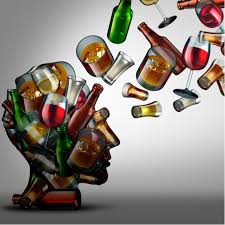
You’ve just poured a drink—maybe a glass of red wine after a long day, a cold beer at a barbecue, or a cocktail with friends. You take a sip, swallow, and then… you wait. The classic question pops into your head: how long does alcohol take to hit?
It’s a simple question, but the answer isn’t always the same for everyone. Sometimes you feel a warm buzz within minutes. Other times, you finish an entire drink and feel absolutely nothing—until half an hour later when it suddenly rushes over you like a wave.
Understanding this timeline isn’t just about curiosity. It’s about safety, making smart choices, and knowing your own limits. In this guide, we’ll break down exactly what happens from the moment alcohol touches your lips, the science behind the speed, and why your friend might feel tipsy after one sip while you’re still waiting for the effect.
Let’s dive in.
The Short Answer: Typical Onset Time
For most people, how long does alcohol take to hit is between 15 and 30 minutes after your first sip. You’ll usually start noticing the initial effects—relaxation, slight warmth, lowered inhibitions—within this window.
However, the peak effects (when you feel the most intoxicated) often occur between 45 and 90 minutes after drinking. This gap between “hitting” and “peaking” is crucial because it’s where many people make mistakes. They feel fine at 20 minutes, take another shot, and then get hit with double the effect 30 minutes later.
Here’s a simple timeline:
- 0–5 minutes: Alcohol enters your stomach and small intestine.
- 5–15 minutes: Absorption begins; very minimal effects.
- 15–30 minutes: First noticeable effects (buzz, mood lift).
- 45–90 minutes: Peak blood alcohol concentration (BAC) levels.
- 2–3 hours: Effects begin to subside (unless you keep drinking).
But this is just the average. To really understand your own body, you need to look at the factors that speed up or slow down this process.
What Happens Inside Your Body? The Science Made Simple
To fully grasp how long does alcohol take to hit, let’s take a quick trip inside your body. No boring biology lecture—just the useful stuff.
When you swallow an alcoholic drink, it travels down your esophagus to your stomach. About 20% of the alcohol is absorbed directly through your stomach lining. The remaining 80% moves into your small intestine, which has a much larger surface area and absorbs alcohol incredibly fast.
From there, alcohol enters your bloodstream and heads straight to your brain. That’s when you feel the “hit.” Your liver then starts working to break down the alcohol at a steady rate—roughly one standard drink per hour for most adults.
The key takeaway? The faster alcohol leaves your stomach and enters your small intestine, the faster it will hit you. Anything that delays stomach emptying will slow down the onset. Anything that speeds it up will make you feel the effects sooner.
7 Key Factors That Change How Fast Alcohol Hits You
No two people are exactly alike. Here’s why your experience might differ from someone else’s.
1. Food (The Biggest Factor)
This is number one for a reason. Drinking on an empty stomach is the fastest route to intoxication. Without food, alcohol zips through your stomach straight into the small intestine. You can feel the effects in as little as 10–15 minutes.
A heavy, fatty meal changes everything. Fat slows down gastric emptying significantly. If you’ve just eaten a cheeseburger and fries, how long does alcohol take to hit might stretch to 45 minutes or even an hour. The alcohol is still there—it’s just waiting in line behind your dinner.
Pro tip: If you want to avoid getting hit too hard or too fast, always eat a meal containing protein, fat, and fiber before drinking.
2. Carbonation (The Sneaky Accelerator)
Here’s a fascinating fact: carbonated alcoholic drinks hit you faster than non-carbonated ones. Think champagne, hard seltzers, rum and coke, or a vodka soda. The bubbles increase pressure in your stomach, which pushes alcohol into your small intestine more quickly.
One study showed that champagne can raise BAC faster than still wine with the same alcohol content. So if you’re wondering why you felt that mimosa so quickly—now you know.
3. Your Body Weight and Composition
This isn’t about body shaming; it’s about science. Alcohol is water-soluble, meaning it dissolves in water, not fat. A larger person with more body water (usually more muscle mass) will have a lower BAC from the same amount of alcohol compared to a smaller person. They may feel the hit later and less intensely.
Conversely, someone with a higher body fat percentage and less muscle mass may feel the effects sooner because there’s less water to dilute the alcohol.
4. Your Sex (Biologically Speaking)
Biologically, women typically feel the effects of alcohol faster than men, even when weighing the same amount. There are two main reasons:
- Water composition: Women naturally have less body water and more body fat on average. Less water means higher alcohol concentration.
- Enzyme activity: Women have lower levels of alcohol dehydrogenase, an enzyme in the stomach that breaks down alcohol before it enters the bloodstream.
This means that for two people of the same weight having the same drink, how long does alcohol take to hit will often be shorter for a woman.
5. How Fast You’re Drinking
This seems obvious, but it’s worth stating: chugging a beer in 2 minutes will hit you much faster than sipping the same beer over an hour. Your liver can only process about one standard drink per hour. When you drink faster than that, alcohol accumulates in your bloodstream, and the hit comes sooner and harder.
6. The Type of Alcohol and Proof
Higher alcohol content = faster absorption. A shot of whiskey (40% ABV) will hit you faster than a light beer (4-5% ABV), assuming you drink them at the same speed. But here’s the twist: very high proof spirits (over 40%) can actually irritate your stomach lining, temporarily slowing absorption. That’s why Everclear might not feel immediate—but when it does hit, it’s intense.
7. Your Tolerance and Genetics
Regular drinkers develop metabolic tolerance. Their bodies become more efficient at processing alcohol, so the same drink might take longer to produce noticeable effects. Genetics also play a role. Some people have genetic variations that make their alcohol dehydrogenase enzyme work faster or slower.
Alcohol by Drink Type: A Real-World Breakdown
Let’s get practical. Here’s roughly how long does alcohol take to hit for different common drinks, assuming a 160-pound person drinking on a moderately full stomach.
| Drink Type | Typical Onset Time | Notes |
|---|---|---|
| Beer (5% ABV) | 20–30 minutes | Carbonated, but lower alcohol content |
| Wine (12% ABV) | 15–25 minutes | Faster if sparkling |
| Cocktail (mixed) | 15–30 minutes | Depends on mixer (soda speeds it up) |
| Shot of liquor (40% ABV) | 10–20 minutes | Fastest if taken on empty stomach |
| High-proof spirit (50%+ ABV) | 20–40 minutes | Slower start due to stomach irritation |
Real-life example: You’re at a party. You haven’t eaten since lunch. You take two shots of tequila back-to-back. They’ll likely hit you in 10–15 minutes, and you’ll feel the peak around 45 minutes. That’s when you might suddenly go from “fine” to “very not fine.”
Signs That Alcohol Is “Hitting” You
How do you know when it’s happening? Look for these early signals:
- A sense of warmth or flushing in your face and chest
- Slight relaxation or reduced anxiety
- Louder, more talkative behavior
- Slight impairment in fine motor skills (typing gets harder)
- Changes in mood (happier, sadder, or more emotional)
- Lowered inhibitions (doing things you’d normally hesitate to do)
If you notice these within 10–20 minutes of your first drink, that’s the alcohol hitting you. Don’t wait for dizziness or slurred speech—by then, you’re already past the point of a light buzz.
Common Mistakes People Make About Timing
Mistake #1: “I don’t feel anything, so I’ll have another.”
This is the most dangerous trap. Because how long does alcohol take to hit varies, you might feel completely sober 20 minutes after a drink. But that alcohol is already in your system, waiting to be absorbed. Having another drink now means you’ll get hit with both drinks at the same time 30 minutes later.
Better approach: Wait at least 45–60 minutes before deciding if you need another drink.
Mistake #2: “Coffee will sober me up faster.”
Caffeine makes you feel more alert, but it does nothing to speed up how your liver processes alcohol. You’ll still be intoxicated—just a wide-awake, anxious, intoxicated person. The hit still happened; you’re just masking the drowsy effects.
Mistake #3: “I ate a big meal, so I can drink as much as I want.”
Food slows absorption; it doesn’t prevent it. You’ll still get drunk. It might just take 90 minutes instead of 30. And because the onset is delayed, people often over-drink, then get hit with a massive wave of intoxication all at once.
Practical Tips for Managing Alcohol Onset
Whether you want to feel the effects sooner or later, here’s what actually works:
To slow down the hit (safer, more controlled drinking):
- Eat a substantial meal with fat, protein, and fiber beforehand
- Stick to still (non-carbonated) drinks
- Sip slowly—one drink per hour maximum
- Alternate each alcoholic drink with a full glass of water
To feel the hit faster (not recommended for safety, but for awareness):
- Drink on an empty stomach
- Choose carbonated mixers (tonic, soda water, cola)
- Drink through a straw (it can increase consumption speed)
Important note: Knowing how to speed up the hit is useful for understanding why you might get drunk faster in certain situations. It’s not a strategy for responsible drinking.
Frequently Asked Questions (FAQ)
Q1: Can alcohol hit you immediately?
No. Even the fastest absorption still takes at least 5–10 minutes from the moment you swallow to when you feel noticeable effects. If you feel something instantly, it’s likely the placebo effect or the taste/ritual of drinking, not the alcohol itself.
Q2: How long does alcohol take to hit if you haven’t eaten all day?
On a completely empty stomach, you can feel the effects in as little as 10–15 minutes. The peak BAC will also be higher and occur faster—usually around 30–45 minutes after your first drink. This is why fasting before drinking is risky.
Q3: Does drinking water slow down how fast alcohol hits you?
Yes and no. Drinking water alongside alcohol dilutes the alcohol in your stomach slightly, but more importantly, it keeps you hydrated and slows down your overall drinking pace. It won’t block absorption, but it can stretch the timeline by 5–10 minutes and reduce the peak intensity.
Q4: How long does alcohol take to hit after a big meal?
After a large, fatty meal, it can take 45 minutes to over an hour to feel any effects. The food acts like a sponge and a gatekeeper, keeping alcohol in your stomach longer. However, once it does hit, you can still become just as intoxicated—it just takes longer.
When to Be Concerned: Rapid vs. Delayed Onset
If you drink a standard amount and how long does alcohol take to hit seems wildly different from normal, consider these possibilities:
- Much faster than usual (under 5 minutes): You might be extremely dehydrated, exhausted, or on an empty stomach. Rarely, it could indicate a metabolic condition.
- Much slower than usual (over 90 minutes with no effect): You may have a very full stomach, high tolerance, or you’re taking medications that affect absorption (like some diabetes or acid reflux drugs).
If you ever feel zero effect after 2-3 standard drinks over 90 minutes, you might have a naturally high tolerance—but don’t test this by drinking more. Always err on the side of caution.
Conclusion: Know Your Timeline, Stay in Control
So, how long does alcohol take to hit? For most people, the honest answer is 15 to 30 minutes to feel the first buzz, with peak effects arriving between 45 and 90 minutes. But the more useful answer is: it depends on you. Your food intake, your drink choice, your body, and your pace all rewrite that timeline.
Understanding this isn’t about being paranoid. It’s about being smart. The next time you’re at a bar or a party, remember the golden rule: wait 45 minutes before deciding how you really feel. That simple pause could save you from a spinning room, a hangover, or a genuinely dangerous situation.
Drink water. Eat something. And now you know exactly what’s happening inside your body from the first sip to the last.


Leave a Reply