
Let’s be honest for a moment. Most adults enjoy a drink now and then. A beer after work. Wine with dinner. A cocktail at a party. These are normal parts of social life. But there is a line that some people cross without even realizing it.
They move from choosing to drink to feeling like drinking chooses them.
That shift isn’t dramatic. It happens slowly, quietly. One day, you notice you had five drinks instead of two. Then you wake up regretting something you said or did. Then it happens again. And again.
What you’re experiencing might be a drinking pattern that results in significant and recurrent consequences that reflect loss of reliable control over alcohol use. Those are clinical words, but they describe something very real. Your brain has changed. Your intentions no longer match your actions. And the consequences keep piling up.
This isn’t about being a “bad person” or having no willpower. It’s about biology, habits, and a slippery slope that millions of people slide down every year.
In this guide, I’ll walk you through exactly what this pattern looks like, why it happens, how to tell if you’re in it, and most importantly—what you can do about it.
What Does This Drinking Pattern Actually Look Like?
Let’s break it down into plain language.
A drinking pattern means the way you typically consume alcohol—how much, how often, and under what circumstances.
Significant consequences are real problems. Not just a mild headache. We’re talking about damaged relationships, job loss, legal trouble (like a DUI), health scares, or memory blackouts.
Recurrent means these consequences happen more than once. You get a warning, but you don’t or can’t change course.
And finally, loss of reliable control over alcohol use is the engine behind it all. Reliable control means you can say “I’ll have two drinks” and actually stop at two, every time. You can decide not to drink on a Tuesday and follow through without struggle. You can go to a party, have one glass, and switch to water.
When you lose that reliable control, your promises to yourself stop meaning anything. You plan to have one drink but end up having six. You swear you’ll take a month off, but by day three, you’re bargaining with yourself.
That is the drinking pattern that results in significant and recurrent consequences that reflect loss of reliable control over alcohol use. And it’s more common than you think.
The Warning Signs: How to Know If This Is You
No single sign confirms a problem. But if several of these sound familiar, it’s worth paying attention.
Common Signs of Lost Control:
- Broken promises to yourself – You repeatedly fail to stick to your own drinking limits.
- Morning regrets – You wake up feeling shame, guilt, or anxiety about what you did or said while drinking.
- Failed cutback attempts – You’ve tried to drink less or stop entirely, but you always return to the same pattern.
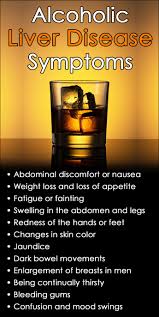
- Consequences piling up – Arguments with your partner, missed work deadlines, DUI charges, health scares, or memory blackouts.
- Drinking more than intended – You pour a “small glass” that ends up being half a bottle.
- Hiding or lying – You sneak drinks, hide bottles, or lie about how much you’ve had.
- Drinking alone or in risky situations – Before driving, during work hours, or when you’re already feeling depressed.
If you nodded along to more than two or three of these, keep reading. You’re not alone, and this isn’t a moral failure.
Why Does This Happen? The Brain Science Behind Lost Control
You might think losing control over alcohol is about weak character. It’s not. It’s biology.
Alcohol affects your brain’s dopamine system. Dopamine is the chemical that makes you feel pleasure and reward. Normally, your brain releases small amounts of dopamine when you eat good food, exercise, or connect with loved ones. Alcohol floods the system with dopamine—way more than natural rewards.
Your brain notices the surplus. It adapts by producing less dopamine on its own and reducing the number of dopamine receptors. That means you now need alcohol just to feel normal, not even high.
At the same time, the prefrontal cortex—the part of your brain responsible for impulse control and decision-making—gets suppressed by alcohol. So the part of you that says “stop” grows weaker, while the part that says “more” grows stronger.
This is why reliable control slips away. Your own brain is working against your best intentions. It’s not about willpower anymore. It’s about neurochemistry.
Real-Life Examples: What This Pattern Looks Like in Action
Let me paint you three very different pictures. See if any of them feel familiar.
Case 1: The High-Functioning Professional
Sarah is a 38-year-old marketing director. She never drinks before 6 PM. But between 6 PM and midnight, she drinks a bottle of wine—sometimes more. She’s never been arrested. She shows up to work on time. But her marriage is falling apart. Her husband stopped sleeping in the same room because she gets argumentative and mean after her third glass. Twice, she’s driven home from a friend’s house when she shouldn’t have. She tells herself she’ll stop at two glasses tomorrow. Tomorrow comes, and she finishes the bottle.
Case 2: The Weekend Warrior
Mike is 25. He works hard all week. Friday and Saturday nights are his “reward.” He meets friends at the bar, has six to eight beers, and often ends up doing shots. Three times in the past year, he’s woken up not remembering how he got home. He got into a fight with a stranger last month. His friends are starting to invite him out less often because they’re tired of babysitting him. Mike says he just likes to party hard. But he’s scared when he admits to himself that he can’t remember what he did.
Case 3: The Secret Drinker
David is 52. He has a stressful job and two teenagers. No one knows he drinks. He stops at a liquor store on the way home, buys a small bottle of vodka, drinks it in the garage before dinner, then throws the bottle away in a public trash can down the street. He’s had two minor accidents at work that his boss blamed on “fatigue.” His doctor told him his liver enzymes are elevated. David promised himself he’d quit twenty times. The longest he’s gone is four days.
In every case, these are intelligent, capable people. But each one has lost reliable control. And each one is experiencing recurrent consequences because of it.
The Consequences: Short-Term vs. Long-Term
Let’s get specific about what “significant consequences” actually means.
Short-Term Consequences (Can happen after one heavy episode)
| Area | Examples |
|---|---|
| Physical | Hangovers, nausea, injuries from falls or accidents, alcohol poisoning |
| Mental | Blackouts (memory loss), poor decision-making, extreme mood swings |
| Social | Arguments, saying hurtful things, embarrassing yourself in public |
| Legal | DUIs, public intoxication charges, disorderly conduct |
| Financial | Wasting money on drinks you don’t remember buying |
Long-Term Consequences (Develop over months or years)
| Area | Examples |
|---|---|
| Physical | Liver disease, heart problems, brain damage, pancreatitis, cancer risk |
| Mental | Depression, anxiety disorders, permanent memory issues, cognitive decline |
| Social | Divorce, lost friendships, estrangement from children, isolation |
| Career | Job loss, missed promotions, professional license issues |
| Financial | Debt, legal fees, medical bills, higher insurance costs |
Here’s what makes the pattern “recurrent.” You might have a terrible hangover and swear you’ll never drink again. A week later, you’re back at it. You get a DUI, go to court, pay the fine, and promise to change. Two months later, you’re driving after three drinks again. The consequences keep happening because the loss of control keeps happening.
How Is This Different From “Casual Drinking” or “Alcoholism”?
Good question. Let’s clear up confusion.
Casual Drinking (Low risk)
- You drink occasionally, often in social settings
- You rarely drink more than 1–2 standard drinks
- You stop easily when you want to
- No negative consequences in your life
Loss of Reliable Control (This article’s focus)
- You regularly drink more than you intended
- You’ve tried to cut back and failed
- Negative consequences happen repeatedly
- You feel shame or worry about your drinking
- But you’re not necessarily drinking daily or physically dependent
Severe Alcohol Use Disorder (Sometimes called “alcoholism”)
- Physical withdrawal symptoms when not drinking (shakes, sweating, seizures)
- Drinking becomes the central activity of your day
- You’ve lost jobs, relationships, or health due to drinking
- You may need medical detox to stop safely
The pattern we’re talking about sits between casual drinking and severe alcohol use disorder. It’s the danger zone. And it’s where most people with alcohol problems actually live.
What You Can Do: Practical Steps to Regain Control
If you recognize yourself in this article, don’t panic. Loss of control doesn’t mean you’re doomed. It means you need a different approach than “just try harder.”
Step 1: Track Honestly for One Week
Get a notebook or use a phone app. Write down every single drink. Also note: when you started, when you stopped, how you felt before and after. No judgment. Just data. Most people are shocked by their actual numbers.
Step 2: Identify Your Triggers
What situations, emotions, or times of day make you want to drink? Common triggers include:
- Stress at work
- Boredom on weekend evenings
- Social anxiety at parties
- Celebrating (or commiserating)
- Certain friends or places
Once you know your triggers, you can plan alternatives.
Step 3: Try a 30-Day Break
Commit to 30 days with zero alcohol. This isn’t about “proving you’re not an alcoholic.” It’s about breaking the habit loop and seeing how you feel without alcohol. Many people discover their anxiety decreases, sleep improves, and cravings fade after the first two weeks.
Medical note: If you’ve been drinking heavily daily for years, stopping suddenly can be dangerous. Talk to a doctor first.
Step 4: Change Your Environment
Don’t rely on willpower alone. Remove alcohol from your home. Take a different route home that doesn’t pass your usual liquor store. Suggest coffee or a walk instead of “meeting for drinks.”
Step 5: Learn the “Urge Surfing” Technique
Cravings feel urgent, but they actually peak and fade within 15–30 minutes. When an urge hits:
- Notice it without judging yourself
- Breathe slowly for 60 seconds
- Distract yourself with a different activity
- Remind yourself: “This feeling will pass”
Step 6: Get Support
You don’t have to do this alone. Options include:
- Talking to your doctor
- Therapy – Especially CBT
- Support groups – SMART Recovery, Moderation Management, or AA
- Online communities – Reddit’s r/stopdrinking
- Medication – Naltrexone and acamprosate can reduce cravings
When to Seek Professional Help
If any of the following apply to you, don’t wait. Talk to a doctor or addiction specialist this week:
- You’ve tried to stop or cut back multiple times and failed
- You’ve had withdrawal symptoms (shaking, sweating, rapid heartbeat)
- You’ve injured yourself or others while drinking
- You’ve had thoughts of harming yourself when drinking
- Someone you trust has expressed serious concern about your drinking
There is no shame in getting help.
Frequently Asked Questions (FAQ)
1. Does this drinking pattern mean I’m an alcoholic?
Not necessarily. “Alcoholic” isn’t a medical term anymore. Clinicians use “alcohol use disorder” on a spectrum from mild to severe. The label matters less than the pattern. If you’ve lost reliable control and consequences keep happening, that’s a problem worth addressing—regardless of the word you use.
2. Can I learn to drink moderately again, or do I need to quit completely?
Some people can return to low-risk drinking after a period of abstinence. But research shows that once you’ve lost reliable control, moderation is very difficult. Taking a 30–90 day break is a great way to find out. If you struggle to stay abstinent for even a month, that’s strong evidence that total abstinence may be the safer path.
3. Is this pattern genetic? My father drank the same way.
Genetics play a significant role—about 50–60% of your risk comes from your genes. But genes aren’t destiny. You’ve also learned patterns from watching your parent. The good news: you can change learned behaviors. The genetic risk means you need to be more intentional about your limits, but it doesn’t mean you’re powerless.
4. How do I talk to my partner or family about this?
Choose a calm, sober moment. Start with “I need your help” rather than making excuses. Use “I” statements: “I’ve noticed I’ve lost control over my drinking. I’m scared about the consequences. I’m planning to take 30 days off, and I’d really appreciate your support.” Most loved ones will feel relieved that you’re acknowledging the problem.
5. How long does it take to regain reliable control?
It varies. For some people, 30 days of abstinence resets their relationship with alcohol enough to notice a difference. For others, it takes 90 days or longer. And for many people with this pattern, complete abstinence becomes the only reliable form of control. The brain changes we discussed earlier don’t reverse overnight.
Conclusion: You Can Change This Pattern
Let’s be real with each other one more time.
A drinking pattern that results in significant and recurrent consequences that reflect loss of reliable control over alcohol use isn’t a life sentence. It’s a signal. Your brain and body are telling you that your current relationship with alcohol isn’t working. The shame you feel isn’t a sign of weakness—it’s a sign that you know you deserve better.
You didn’t choose to lose control. The neurochemistry of alcohol is powerful, and it hijacks the very circuits in your brain that are supposed to keep you safe. But you can choose what happens next.
Start small. Track your drinking for a week. Take a 30-day break. Talk to one person you trust. You don’t have to figure this out alone, and you don’t have to fix everything overnight.
One step. Today. That’s all it takes.




Leave a Reply