
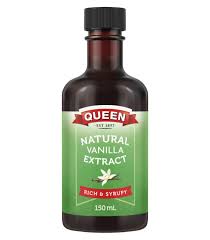
If you’ve ever baked a batch of chocolate chip cookies or whipped up a homemade crème brûlée, you’ve probably reached for that little bottle of vanilla extract without a second thought. But here’s a question that catches many people off guard: how much alcohol is in vanilla extract?
It sounds like a trick question. After all, vanilla extract lives in the baking aisle, not next to the whiskey and vodka. But the answer might surprise you. Pure vanilla extract is legally required to contain a significant amount of alcohol—often enough to make you do a double take.
In this article, we’ll break down exactly what’s in that brown bottle, why alcohol is even there in the first place, and whether you should be concerned about the alcohol content for yourself or your kids. We’ll also compare it to common alcoholic beverages, discuss alcohol-free alternatives, and answer the most frequently asked questions.
Let’s get right into it.
What Exactly Is Vanilla Extract? (And Why Is There Alcohol?)
Before we answer how much alcohol is in vanilla extract, it helps to understand what vanilla extract actually is. Vanilla extract is made by soaking vanilla beans in a solution of alcohol and water. The alcohol acts as a solvent, pulling out the complex flavors and aromatic compounds from the beans—over 250 of them, to be precise. Without alcohol, you wouldn’t get that rich, warm, unmistakable vanilla taste.
The U.S. Food and Drug Administration (FDA) has strict standards for what can be called “pure vanilla extract.” According to FDA regulations:
- The solution must contain at least 35% alcohol by volume (ABV).
- There must be 13.35 ounces of vanilla beans per gallon of liquid.
- No added colors, preservatives, or artificial flavors are allowed.
So the direct, factual answer to how much alcohol is in vanilla extract is: at least 35% ABV, and often between 35% and 40% ABV for standard pure extracts. Some high-end or “double-fold” extracts can go even higher—up to 41–45% ABV.
To put that in perspective, that’s roughly the same alcohol content as standard rum, tequila, or whiskey (typically 40% ABV). Yes, your vanilla extract is basically as strong as a shot of hard liquor.
How Much Alcohol Is in Vanilla Extract Compared to Beer and Wine?
Seeing that number—35% or more—can be startling. But let’s put it into context. Here’s how vanilla extract stacks up against common alcoholic drinks:
| Beverage | Typical ABV |
|---|---|
| Light beer | 3–4% |
| Regular beer | 4–5% |
| Wine | 9–16% |
| Malt liquor | 6–9% |
| Hard seltzer | 4–6% |
| Vodka, whiskey, rum | 40% |
| Pure vanilla extract | 35–40% |
As you can see, pure vanilla extract has roughly 10 times the alcohol of a light beer by volume. But here’s the key difference: nobody drinks vanilla extract straight from the bottle in large quantities. A typical recipe calls for just one teaspoon (about 5 mL) of vanilla extract. In contrast, a standard beer is 355 mL.
Let’s do some quick math. One teaspoon of vanilla extract at 40% ABV contains about 2 mL of pure alcohol. A 12-ounce (355 mL) beer at 5% ABV contains about 17.75 mL of pure alcohol. So even though vanilla extract is much stronger, the tiny amount used means you’re consuming far less total alcohol than from a single beer.
That said, the concentration matters if someone were to drink it straight—which, as we’ll discuss later, is not a good idea.
Why Does Vanilla Extract Need So Much Alcohol?
You might wonder: why can’t manufacturers just use less alcohol? The answer is twofold: extraction efficiency and preservation.
Extraction Efficiency
Vanilla beans contain hundreds of flavor compounds, many of which are alcohol-soluble. Water alone won’t pull them out effectively. A solution with at least 35% alcohol is the sweet spot for extracting the full depth of vanilla flavor. Lower alcohol percentages result in a weaker, less complex taste.
Preservation
Alcohol is a natural preservative. It prevents mold, bacteria, and other microorganisms from growing in the bottle. That’s why an opened bottle of pure vanilla extract can sit in your pantry for years without spoiling. If you’ve ever seen an “alcohol-free” vanilla extract (often glycerin-based), you’ll notice it has a much shorter shelf life and usually needs refrigeration.
Legal Definition
In the United States, if a product says “vanilla extract” without any modifiers, it must meet the FDA’s 35% ABV minimum. Anything lower has to be labeled as “vanilla flavoring” or “imitation vanilla.”
So that high alcohol content isn’t an accident—it’s the very thing that makes real vanilla extract so flavorful and long-lasting.
Can You Get Drunk from Vanilla Extract?
This is the question that pops up on parenting forums, cooking blogs, and even medical advice sites. How much alcohol is in vanilla extract matters a lot if someone were to drink it intentionally.
The short answer: yes, theoretically, you could get drunk from vanilla extract, but you would have to drink an unreasonable amount.
Let’s break it down. A standard “drink” in the U.S. contains about 14 grams of pure alcohol. That’s equivalent to:
- 1.5 ounces (44 mL) of 40% ABV liquor, or
- 12 ounces (355 mL) of 5% ABV beer
To get that same amount of alcohol from vanilla extract at 40% ABV, you’d need to drink about 1.5 ounces (44 mL)—roughly three tablespoons. That’s not a huge volume. In theory, drinking three tablespoons of vanilla extract could give you the same alcohol as one shot of vodka.
But here’s where reality kicks in: vanilla extract is extremely bitter and unpleasant to drink straight. The high alcohol content burns, and the concentrated vanilla flavor is cloying and harsh. Most people would gag before finishing one tablespoon. There are rare cases (mostly reported in medical literature) of people—sometimes teenagers or individuals with alcohol use disorder—drinking large amounts of vanilla extract to get intoxicated. But for the average person, it’s neither appealing nor practical.
More importantly, drinking large amounts of vanilla extract can cause vanillin toxicity (headaches, nausea, liver stress) and severe alcohol poisoning if consumed in quantity. So while the math says it’s possible, common sense says don’t try it.
How Much Alcohol Is in Vanilla Extract When Cooked or Baked?
This is where things get interesting for home bakers. You might assume that the alcohol burns off completely during baking. But that’s not entirely true.
The common myth is that alcohol evaporates instantly when heated. In reality, the evaporation rate depends on:
- Temperature (higher heat removes more alcohol)
- Time (longer cooking times remove more)
- Surface area (wider pans allow more evaporation)
- Whether the dish is covered (trapping steam traps alcohol)
Here’s a rough guide from USDA research on how much alcohol remains after cooking:
| Cooking method | Alcohol remaining |
|---|---|
| Alcohol added to boiling liquid, removed from heat | ~85% |
| Flambé (brief flame) | ~75% |
| Baked/simmered for 15 minutes | ~40% |
| Baked/simmered for 30 minutes | ~35% |
| Baked/simmered for 1 hour | ~25% |
| Baked/simmered for 2 hours | ~10% |
| Baked/simmered for 2.5+ hours | ~5% |
So if you add a teaspoon of vanilla extract to a cake batter and bake it for 30 minutes, roughly 35–40% of the alcohol remains. That’s a very small total amount—about 0.8 mL of alcohol per teaspoon used. For a whole cake serving 8 people, each slice would contain negligible alcohol (less than a ripe banana, which naturally has about 0.2–0.4% ABV equivalent).
In practice, for almost all baked goods, the alcohol content per serving is so low that it’s considered non-intoxicating. People in recovery from alcohol use disorder, pregnant women, and children can safely eat foods made with standard amounts of vanilla extract. However, if you’re strictly avoiding any alcohol for religious or health reasons, you may want to seek alcohol-free alternatives.
Vanilla Extract vs. Imitation Vanilla: Alcohol Differences
Not all vanilla products are created equal. Here’s a quick comparison:
- Pure vanilla extract – 35–40% ABV (alcohol-based)
- Imitation vanilla – Often contains 0–5% alcohol, but some brands still use alcohol as a carrier. Always check the label.
- Vanilla flavoring – Usually 5–10% alcohol, with more water and synthetic vanillin.
- Vanilla paste – Typically 10–20% alcohol; thicker consistency.
- Vanilla powder – 0% alcohol (ground vanilla beans or maltodextrin-based).
- Glycerin-based vanilla – 0% alcohol; uses vegetable glycerin as a solvent.
If you’re looking for how much alcohol is in vanilla extract specifically for a zero-alcohol diet, always read the ingredient label. In the U.S., if the product says “extract” without qualification, it contains at least 35% alcohol. Look for terms like “alcohol-free,” “glycerin-based,” or “vanilla powder” instead.
Real-Life Scenarios: When the Alcohol Content Actually Matters
Let’s look at a few real-world examples to make this practical.
Scenario 1: Baking for a Child’s Birthday Party
You’re making vanilla cupcakes for a classroom of 6-year-olds. The recipe calls for 2 teaspoons of pure vanilla extract (35% ABV). The cupcakes bake for 20 minutes. After baking, roughly 40% of the alcohol remains. Total alcohol in the whole batch (12 cupcakes): about 1.6 mL. Per cupcake: 0.13 mL. That’s less than the alcohol in a glass of orange juice that’s been sitting out for an hour. Perfectly safe.
Scenario 2: No-Cook Vanilla Frosting
You’re making a buttercream frosting with 1 tablespoon of vanilla extract (15 mL). No heat at all. Total alcohol in the whole batch: about 6 mL (half a standard drink). If you eat the entire bowl of frosting yourself, you’d feel a mild effect. But spread over 16 servings? Negligible.
Scenario 3: Someone in AA (Alcoholics Anonymous)
Many people in recovery choose to avoid any trace of alcohol, even in food. For them, even 0.13 mL per cupcake may be too much—not because it’s intoxicating, but because of personal boundaries and the “principle of the thing.” In this case, use alcohol-free vanilla powder or glycerin-based vanilla.
Scenario 4: A Teenager Drinks Vanilla Extract on a Dare
This happens more often than you’d think. A 150-pound person would need to drink about half a bottle (4 ounces) of vanilla extract to reach the legal intoxication limit (0.08% BAC). That’s roughly 8 tablespoons. They’d likely vomit before finishing, but it’s still dangerous. Call poison control if someone drinks more than 1–2 ounces.
Alcohol-Free and Low-Alcohol Vanilla Alternatives
If you’re worried about how much alcohol is in vanilla extract and want to avoid it entirely, you have several good options:
- Vanilla powder – Made from ground vanilla beans mixed with a carrier like maltodextrin. Zero alcohol. Great for dry mixes, frostings, and any application where you don’t want added liquid.
- Glycerin-based vanilla – Uses vegetable glycerin instead of alcohol. Zero alcohol, but slightly sweet. Needs refrigeration after opening. Works well in no-bake recipes.
- Vanilla bean paste (low-alcohol) – Some brands make pastes with 10% ABV or less. Check labels.
- Make your own alcohol-free vanilla – Steep vanilla beans in a mixture of vegetable glycerin and water for 2–3 months. Shake daily.
- Use whole vanilla beans – Scrape the seeds directly into your recipe. Zero alcohol, but expensive.
Each of these substitutes works slightly differently, so you may need to experiment with ratios.
Frequently Asked Questions (FAQ)
1. How much alcohol is in vanilla extract compared to vodka?
Pure vanilla extract is legally required to be at least 35% ABV, while vodka is typically 40% ABV. They are very similar in alcohol concentration. In fact, many vanilla extracts are made using vodka or grain alcohol as the base.
2. Can you get a DUI from drinking vanilla extract?
Theoretically, yes. If you drank enough vanilla extract to raise your blood alcohol concentration above 0.08%, you could be charged with DUI. However, the amount required (about 4 ounces for an average adult) would likely make you violently ill. There are documented cases of DUI charges involving vanilla extract, but they are extremely rare.
3. Is vanilla extract halal or kosher?
Most pure vanilla extract is not considered halal because it contains intoxicating levels of alcohol (over 0.5% ABV). However, some Islamic scholars make exceptions for cooking where the alcohol is burned off or used in tiny amounts. For strict halal diets, use alcohol-free vanilla powder or glycerin-based vanilla. For kosher certification, many vanilla extracts are kosher (alcohol is permitted for food use), but check for a hechsher (kosher symbol).
4. Does vanilla extract expire or go bad?
Because of its high alcohol content, pure vanilla extract almost never spoils. It may darken or develop sediment over many years, but it remains safe to use. The flavor can slowly degrade after 5–10 years. Alcohol-free vanilla (glycerin-based) typically lasts 1–2 years and needs refrigeration.
5. Can pregnant women eat foods with vanilla extract?
Yes, in normal culinary amounts (teaspoons per batch), the alcohol content per serving is negligible—far less than in a glass of fruit juice or a ripe banana. No major medical organization warns against using vanilla extract in cooking during pregnancy. However, if you want to be extra cautious, use alcohol-free vanilla powder.
Conclusion: Should You Worry About the Alcohol in Vanilla Extract?
So, how much alcohol is in vanilla extract? At least 35% ABV—as much as a shot of rum or whiskey. That sounds shocking at first. But context is everything.
In typical home baking or cooking, the amount used is tiny (a teaspoon or two per recipe). Most of that alcohol evaporates or bakes off, leaving behind only trace amounts. The alcohol that remains per serving is far less than what’s found naturally in many everyday foods like bread, ripe fruit, or yogurt.
For almost everyone—children, pregnant women, people in recovery (unless strictly abstaining), and casual bakers—vanilla extract is completely safe in normal culinary amounts. The high alcohol content isn’t there to get anyone buzzed; it’s there to extract the beautiful, complex flavors from vanilla beans and keep them fresh for years.
The only real risks come from deliberately drinking vanilla extract straight, which is both unpleasant and potentially dangerous. So treat your vanilla extract like the powerful ingredient it is: respect it, use it sparingly, and enjoy the incredible flavor it brings to your kitchen.
Now go bake those cookies—without a single worry.

Leave a Reply