
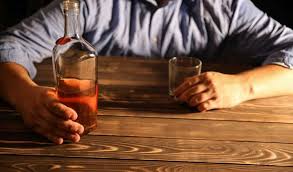
You’ve just knocked back a couple of ibuprofens for a pounding headache or nagging back pain. Now, a friend calls asking to meet for drinks. You pause, rub your temples, and wonder: Is this safe?
It’s a common dilemma. Ibuprofen (think Advil or Motrin) is the go-to for everyday aches. Alcohol is the go-to for socializing and unwinding. But mixing the two isn’t as simple as popping a pill and pouring a glass.
In this guide, we’ll answer the exact question: how long after taking ibuprofen can you drink alcohol? We’ll cover the science, the risks, real-life scenarios, and practical tips so you can make informed choices—without unnecessary worry.
Understanding Ibuprofen and Alcohol: What Happens Inside Your Body?
Before we get into timing, let’s look at how each substance works. This will help you understand why timing matters.
How Ibuprofen Works
Ibuprofen belongs to a class of drugs called NSAIDs (nonsteroidal anti-inflammatory drugs). It works by blocking enzymes called COX-1 and COX-2. These enzymes produce prostaglandins—chemicals that cause pain, inflammation, and fever.
The catch? Prostaglandins also help protect your stomach lining. By blocking them, ibuprofen can leave your stomach more vulnerable to irritation.
How Alcohol Affects Your Stomach and Liver
Alcohol is a direct irritant. It increases stomach acid production and weakens the stomach’s natural defenses. Over time, or even in one sitting, alcohol can cause inflammation (gastritis), bleeding, or ulcers.
When you combine ibuprofen and alcohol, you’re essentially attacking your stomach lining from two sides. The risk isn’t just a bad hangover—it’s gastrointestinal bleeding, kidney stress, and reduced liver function.
How Long After Taking Ibuprofen Can You Drink Alcohol? The Short Answer
Here’s the direct answer most people want:
You should wait at least 6 to 8 hours after taking a standard dose of ibuprofen before drinking alcohol.
For a more conservative approach (especially if you have a sensitive stomach or a history of ulcers), wait 24 hours.
But why those numbers? Let’s break it down.
The Half-Life of Ibuprofen
Ibuprofen has a plasma half-life of about 1.5 to 2 hours in healthy adults. That means every 2 hours, your body eliminates half of the drug. After 5 half-lives (roughly 10 hours), over 97% of the drug is gone.
However, the effects on your stomach lining can last longer than the drug’s presence in your blood. That’s why many doctors recommend a longer waiting period—especially if you’re a regular drinker or taking higher doses.
Dosage Matters
- Low dose (200 mg) – Wait at least 6 hours.
- Standard dose (400 mg) – Wait 8–10 hours.
- Prescription dose (600–800 mg) – Wait 12–24 hours.
- Extended-release formulas – Wait a full 24 hours.
Key takeaway: The more ibuprofen you take, the longer you should wait.
Risks of Drinking Alcohol Too Soon After Ibuprofen
You might be tempted to ignore the waiting period. “I’ve done it before and felt fine.” But risks aren’t always immediate. Some accumulate over time, while others can hit you suddenly.
1. Stomach Bleeding (Gastrointestinal Hemorrhage)
This is the most serious risk. Both ibuprofen and alcohol thin the stomach lining. Together, they can cause erosive gastritis, which may lead to slow, undetected bleeding—or sudden, severe bleeding requiring hospitalization.
Signs to watch for:
- Black, tarry stools
- Vomiting blood (looks like coffee grounds)
- Severe abdominal pain
- Dizziness or fainting
2. Kidney Damage
Ibuprofen reduces blood flow to your kidneys. Alcohol dehydrates you, further reducing kidney function. The combination can lead to acute kidney injury, especially if you’re taking other medications or have existing kidney issues.
3. Liver Stress
While ibuprofen is harder on the kidneys than the liver, alcohol is a direct liver toxin. Mixing them forces your liver to work overtime. Over time, this can worsen liver inflammation or interfere with medication metabolism.
4. Increased Bruising and Bleeding Time
Ibuprofen has a mild blood-thinning effect. Alcohol does too. Together, they can make you bruise more easily and bleed longer from minor cuts or injuries.
5. Worsened Hangovers
Even if you avoid serious medical issues, drinking too soon after ibuprofen can intensify hangover symptoms: nausea, stomach pain, dizziness, and fatigue.
Real-Life Scenarios: When to Drink and When to Wait
Let’s make this practical. Here are common situations and safe recommendations.
Scenario 1: You took ibuprofen for a morning headache
- Time taken: 8:00 AM (400 mg)
- Safe to drink alcohol? Around 4:00 PM to 6:00 PM (8–10 hours later).
- Best practice: Have a solid lunch and drink water before alcohol.
Scenario 2: You took ibuprofen before bed for muscle pain
- Time taken: 10:00 PM (600 mg prescription dose)
- Safe to drink alcohol? Next day after 10:00 PM (24 hours later).
- Best practice: Skip alcohol entirely that next day.
Scenario 3: You forgot you took ibuprofen and already had a beer
- What to do: Don’t panic. One beer after a single low dose (200 mg) is unlikely to cause serious harm. Stop drinking immediately, drink water, eat food, and monitor for stomach pain.
- When to seek help: Severe stomach pain, bloody stool, or vomiting.
Scenario 4: You take ibuprofen daily for arthritis
- What to do: Talk to your doctor. Chronic NSAID use + regular alcohol significantly increases bleeding risk. You may need a protective medication (like a PPI) or a different pain management plan.
Factors That Influence How Long You Should Wait
Not everyone processes ibuprofen and alcohol the same way. Consider these personal factors before deciding on a waiting time.
| Factor | Why It Matters |
|---|---|
| Age | Older adults have slower kidney and liver function. Wait longer. |
| Body weight | Lower body weight = higher concentration of both substances. |
| Hydration | Dehydration worsens kidney stress. Drink water between ibuprofen and alcohol. |
| Food intake | Taking ibuprofen with food reduces stomach irritation. Alcohol on an empty stomach multiplies risk. |
| Existing conditions | Ulcers, GERD, liver disease, or kidney disease require waiting 24–48 hours or avoiding alcohol entirely. |
| Other medications | Blood thinners (warfarin), antidepressants (SSRIs), or steroids increase bleeding risk. |
Golden rule: When in doubt, wait it out. Alcohol can always wait another day. Your stomach lining can’t.
Tips for Safely Managing Pain and Social Drinking
You don’t have to live like a monk. But you do need a strategy. Here’s how to balance pain relief and occasional drinks.
If You Know You’ll Drink Later:
- Take acetaminophen (Tylenol) instead. It works differently and is safer with alcohol (but never exceed 3,000 mg/day or drink heavily with it).
- Use non-drug alternatives first: Ice packs, heat therapy, stretching, or topical creams like lidocaine or capsaicin.
- Time your ibuprofen early morning if you plan to drink in the evening (ensure 8+ hour gap).
If You’ve Already Taken Ibuprofen:
- Eat a substantial meal before drinking. Food buffers stomach acid.
- Alternate drinks with water to reduce dehydration and stomach load.
- Limit alcohol quantity – one or two drinks max.
- Avoid carbonated mixers (soda, seltzer) as carbonation can increase stomach acid.
If You Drink Regularly:
- Consider a stomach-protective medication (like famotidine or omeprazole) – but talk to a doctor first.
- Get tested for H. pylori (a bacteria that worsens ulcer risk).
- Switch to a different NSAID like naproxen? Naproxen also carries risks. No NSAID is completely safe with alcohol.
What Does the Research Say?
Multiple clinical studies confirm the danger. A 2018 review in the Journal of Clinical Gastroenterology found that concurrent use of NSAIDs and alcohol increased the risk of upper gastrointestinal bleeding by 4 to 7 times compared to using neither. The risk was highest in people over 60 and those with prior ulcers.
Another study in Kidney International noted that even short-term combined use could reduce kidney function by 20–30% in dehydrated individuals.
The bottom line: This isn’t a myth. It’s evidence-based medicine.
Special Populations: Extra Caution Required
Some people should never mix ibuprofen and alcohol—or should wait much longer than average.
Pregnant Women
Ibuprofen is generally not recommended during pregnancy (especially third trimester). Alcohol is never safe during pregnancy. Avoid both entirely.
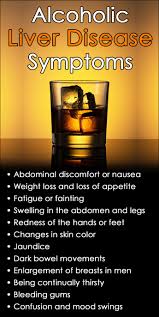
People with Liver Disease (Cirrhosis, Hepatitis)
Your liver already struggles to process toxins. Ibuprofen can worsen liver function in advanced disease. Avoid alcohol completely.
People with Chronic Kidney Disease
Even stage 1 CKD requires caution. Wait 24–48 hours. Better yet, use non-NSAID pain relief like acetaminophen or physical therapy.
People Taking Antidepressants (SSRIs like Zoloft, Prozac)
SSRIs increase bleeding risk on their own. Adding ibuprofen and alcohol significantly raises gastrointestinal bleeding odds.
Frequently Asked Questions (FAQ)
1. Can I drink alcohol 4 hours after taking ibuprofen?
It’s not recommended. Four hours is too short for most people, especially after a standard 400 mg dose. You risk stomach irritation, nausea, and potential bleeding. Wait at least 6–8 hours.
2. Is it safe to drink alcohol the next day after taking ibuprofen?
Yes, in most cases. If you took a standard dose (200–400 mg) in the morning or afternoon, drinking the next day is generally safe because the drug is fully eliminated. However, if you took a high prescription dose (800 mg) or extended-release formula, wait a full 24 hours.
3. What should I do if I already mixed ibuprofen and alcohol?
Stop drinking immediately. Eat bland food (crackers, bread, rice). Drink water. Lie down if dizzy. If you develop severe stomach pain, black stools, or vomiting blood, go to an emergency room. For mild discomfort, monitor for 6 hours.
4. Can I take ibuprofen for a hangover?
Yes, but carefully. If you’re already hungover (meaning you drank last night), taking ibuprofen is fine if you wait at least 6–8 hours after your last drink. Do not take ibuprofen while still intoxicated. And never take it before drinking to “prevent” a hangover—that increases bleeding risk.
Strong Conclusion: Your Safe Action Plan
So, how long after taking ibuprofen can you drink alcohol? Here’s your final checklist:
- Wait at least 6–8 hours after a standard dose (200–400 mg).
- Wait 12–24 hours after a high or prescription dose.
- Wait a full 24 hours if you have any stomach, kidney, or liver issues.
- When in doubt, skip the alcohol. No drink is worth internal bleeding.
Remember: The question isn’t just about avoiding an immediate crisis. It’s about protecting your long-term health. Occasional, well-spaced use is unlikely to cause harm. But regular mixing—even with a 6-hour gap—can erode your stomach lining over months or years.
Be smart. Listen to your body. And when you do drink after ibuprofen, do it with food, water, and moderation.



Leave a Reply