
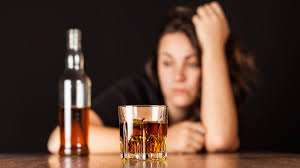
You’ve just had a few drinks at a party. Now you’re staring at the clock, wondering if you’ll be safe to drive to work in the morning. Or maybe you have a urine test coming up, and you’re worried about what might show up.
We’ve all been there.
The question sitting heavy in your mind is simple: how long does it take alcohol to get out of your system?
The short answer is that most alcohol leaves your body in about 24 hours. But the full answer is more interesting. It depends on your weight, what you ate, how much you drank, and even your genetics.
In this article, we’ll break down exactly what happens to alcohol inside your body. You’ll learn the real timeline, the myths that could get you into trouble, and practical tips to help you feel better faster. Let’s clear the air—no confusing medical jargon, just honest facts.
What Actually Happens When Alcohol Enters Your Body?
Before we talk about exit times, you need to understand the entry. Alcohol doesn’t sit around waiting. It acts fast.
When you take a sip, about 20% of the alcohol absorbs directly through your stomach wall. The remaining 80% moves into your small intestine. From there, it rushes straight into your bloodstream. Your blood then carries that alcohol to every organ you have—your brain, your liver, your heart.
This is why you can feel a drink within minutes. Your brain gets hit almost immediately.
Most people reach their peak blood alcohol concentration (BAC) about 30 to 90 minutes after their last drink. But here’s the catch: if you’re drinking on a full stomach, that peak might come later. Food slows everything down because your stomach has to digest the meal before it can pass the alcohol along.
The Liver: Your Body’s Unsung Hero
Your liver does the heavy lifting. It breaks down about 90% of the alcohol you consume. The rest leaves through your breath, sweat, and urine.
Think of your liver as a processing plant with a fixed speed limit. On average, a healthy liver can process one standard drink per hour. That’s roughly:
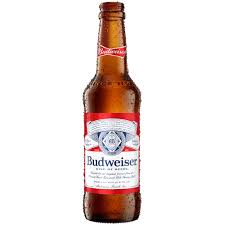
- 12 ounces of regular beer (5% alcohol)
- 5 ounces of wine (12% alcohol)
- 1.5 ounces of distilled spirits (40% alcohol)
Nothing speeds this up. Not coffee. Not a cold shower. Not vomiting. The liver works at its own steady pace.
How Long Does It Take Alcohol to Get Out of Your System? The Hour-by-Hour Timeline
Now let’s answer the core question directly. How long does it take alcohol to get out of your system from the moment you stop drinking?
For most people, your body eliminates alcohol at a rate of 0.015 grams per deciliter per hour. Let me translate that into real numbers.
If you stop drinking with a BAC of 0.08 (the legal driving limit in most places), here’s what your timeline looks like:
- Hour 1: BAC drops to 0.065
- Hour 2: BAC drops to 0.050
- Hour 3: BAC drops to 0.035
- Hour 4: BAC drops to 0.020
- Hour 5: BAC drops to 0.005 (essentially zero)
That means from the legal limit, you need about five hours to get completely sober. But most people don’t stop at exactly 0.08. Let’s look at common scenarios.
Scenario 1: One Standard Drink
If you have one beer or one glass of wine, your body will typically process it in one hour. After 60 to 90 minutes, most people will show no detectable alcohol in their system.
Scenario 2: Three Drinks in Two Hours
Let’s say you’re at a dinner party. You have three glasses of wine over two hours. Your BAC might rise to around 0.06 or 0.07. How long does it take alcohol to get out of your system in this case? About three to four hours after your last sip.
Scenario 3: Heavy Drinking (Five or More Drinks)
If you’ve had five standard drinks over three hours, your BAC could hit 0.10 or higher. You’re looking at six to seven hours before your system clears the alcohol completely.
Remember: these are estimates. Your actual time could be longer or shorter depending on several factors we’ll cover next.
7 Critical Factors That Change Your Alcohol Elimination Time
No two people process alcohol the same way. Here’s why your friend might be fine after two hours while you’re still feeling fuzzy.
1. Your Body Weight and Composition
Alcohol is water-soluble. It mixes with the water in your body, not your fat. People with more body water will have lower BAC levels from the same amount of alcohol. Generally, larger people and those with more muscle mass process alcohol faster because they have more water volume to dilute it.
2. Your Sex
This isn’t about fairness—it’s biology. Women typically have less of the enzyme alcohol dehydrogenase in their stomachs. They also tend to have higher body fat percentages and lower body water percentages than men of the same weight. As a result, alcohol stays in a woman’s system longer on average.
3. Food in Your Stomach
A full stomach is your best friend if you’re drinking. Food, especially fatty foods, keeps the alcohol in your stomach longer. This slows absorption dramatically. An empty stomach sends alcohol racing into your small intestine and bloodstream within 15 minutes.
4. Your Age
As you get older, your liver doesn’t work as efficiently. Your body water percentage also decreases naturally. Both changes mean alcohol lingers longer in older adults.
5. Liver Health
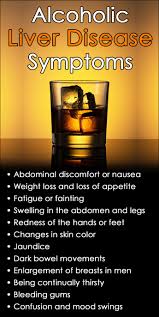
Your liver is the engine. If you have fatty liver disease, hepatitis, or cirrhosis, your processing speed drops significantly. Even mild liver damage can double the time it takes to clear alcohol.
6. Medications
Many common medications interact with alcohol and your liver. Acetaminophen (Tylenol), antibiotics, antidepressants, and sleep aids all compete for the same liver enzymes. This slows down alcohol metabolism.
7. How Fast You Drank
Sipping slowly gives your liver a fighting chance. Chugging drinks overwhelms the system. Your BAC climbs much higher, which means more total time needed to come back down.
Detection Times: How Long Alcohol Shows Up on Tests
You might be asking how long does it take alcohol to get out of your system for different types of tests. The answer varies widely.
Breath (Breathalyzer)
Alcohol appears on your breath within 15 minutes of drinking. It stays detectable for 12 to 24 hours after your last drink, though most portable breathalyzers can’t detect very low levels. For a standard police breathalyzer, you’re usually clear after 8 to 12 hours, depending on how much you drank.
Urine Tests
Standard urine tests can detect alcohol for 12 to 48 hours after your last drink. However, there’s a more advanced test called EtG (ethyl glucuronide) that can spot alcohol for up to 80 hours or roughly 3 to 4 days. EtG tests are so sensitive they can pick up alcohol from mouthwash or hand sanitizer.
Blood Tests
Blood tests are the most accurate but have the shortest window. Alcohol stays in your blood for 6 to 12 hours after your last drink. After 24 hours, it’s almost always undetectable.
Saliva Tests
Saliva tests are similar to breath tests. They can detect alcohol for 12 to 24 hours.
Hair Tests
Hair follicle tests are rarely used for alcohol, but they exist. They can detect alcohol consumption for up to 90 days. However, they’re expensive and not common for routine screening.
Here’s a quick reference table:
| Test Type | Detection Window |
|---|---|
| Breath | 12–24 hours |
| Urine (standard) | 12–48 hours |
| Urine (EtG) | Up to 80 hours |
| Blood | 6–12 hours |
| Saliva | 12–24 hours |
| Hair | Up to 90 days |
Common Myths That Could Fool You
Let’s bust some dangerous myths right now.
Myth 1: Coffee sobers you up.
False. Caffeine makes you feel more alert, but your BAC remains exactly the same. You’re just a wide-awake drunk person.
Myth 2: A cold shower works.
Nope. Cold water might wake you up, but it does nothing to speed up your liver. Your BAC stays unchanged.
Myth 3: Eating after drinking helps.
Eating after you’ve already drunk will not lower your BAC. It might settle your stomach, but the alcohol is already in your bloodstream.
Myth 4: Throwing up gets alcohol out.
Only alcohol still in your stomach comes back up. The alcohol already absorbed into your blood stays there. Vomiting can actually be dangerous if you’re very intoxicated.
Myth 5: You can trick a breathalyzer.
You cannot. Breathalyzers measure the alcohol in your deep lung air, which comes directly from your blood. Mints, mouthwash, and onions do nothing.
Real-Life Tips to Help Your Body Process Alcohol Faster
Here’s the honest truth: nothing significantly speeds up how fast your liver works. But you can help your body handle the aftermath better.
Do These Things
- Drink water between alcoholic drinks. This doesn’t lower your BAC, but it prevents dehydration, which makes hangovers worse.
- Eat a solid meal before drinking. Protein, healthy fats, and complex carbs slow absorption significantly.
- Give yourself a buffer. For every drink you have, add one hour of waiting time before driving or operating machinery.
- Sleep it off. Your body continues metabolizing alcohol while you sleep. Rest is genuinely helpful.
Avoid These Things
- Don’t mix alcohol with energy drinks. The caffeine masks how drunk you feel, leading to dangerous overconsumption.
- Don’t take acetaminophen (Tylenol) while drinking or the morning after. The combination stresses your liver.
- Don’t trust “sobering up” tricks. They don’t work, and believing them can get you a DUI or worse.
The Morning After: Why You Might Still Be Over the Limit
This is where people get into real trouble. You go to bed at 2 AM after a night of heavy drinking. You wake up at 8 AM feeling okay. Surely you’re fine to drive, right?
Not necessarily.
Remember the elimination rate: 0.015 per hour. If you went to bed with a BAC of 0.12, here’s what happens while you sleep:
- 2 AM (bedtime): 0.12 BAC
- 3 AM: 0.105 BAC
- 4 AM: 0.090 BAC
- 5 AM: 0.075 BAC
- 6 AM: 0.060 BAC
- 7 AM: 0.045 BAC
- 8 AM (wake up): 0.030 BAC
At 8 AM, you’re still above zero. In fact, you might still be over the legal limit of 0.08 if you drank more heavily or if you’re smaller or female.
This is called “the morning after effect.” Thousands of people get DUIs between 6 AM and noon because they assumed sleep equaled sobriety.
When to Seek Help
Most people process alcohol just fine. But if you regularly ask how long does it take alcohol to get out of your system because you’re trying to hide drinking from employers, probation officers, or family members, that’s a sign of a deeper problem.
Consider speaking with a doctor or addiction specialist if:
- You frequently black out or forget what happened while drinking
- You’ve tried to cut back and couldn’t
- You experience withdrawal symptoms like shaking, sweating, or anxiety when you don’t drink
- You’ve had legal or relationship problems because of alcohol
Withdrawal from severe alcohol dependence can be dangerous—even life-threatening. Never stop drinking suddenly without medical supervision if you’re a heavy daily drinker.
Frequently Asked Questions (FAQ)
1. Can drinking water help flush alcohol out of your system faster?
No. Water does not speed up your liver’s alcohol processing rate. However, staying hydrated helps reduce hangover symptoms like headache and dry mouth. Your liver will still take the same amount of time regardless of how much water you drink.
2. How long does it take alcohol to get out of your system for a urine test?
For a standard urine test, alcohol is typically detectable for 12 to 48 hours after your last drink. For the more sensitive EtG test, detection can last up to 80 hours (about 3.5 days). Factors like how much you drank, your metabolism, and your hydration levels affect these windows.
3. Does exercise help eliminate alcohol faster?
No. Sweating releases a tiny amount of alcohol—less than 5% of what you’ve consumed. Exercise won’t lower your BAC meaningfully. In fact, intense exercise while intoxicated can be dangerous because alcohol dehydrates you and impairs coordination.
4. Can you speed up how fast your liver processes alcohol?
No. The liver metabolizes alcohol at a fixed maximum rate of about one standard drink per hour. Nothing has been proven to increase this rate. Not coffee, not food, not supplements, not exercise. Time is the only real solution.
Conclusion
So let’s bring it all together. How long does it take alcohol to get out of your system? For most people with moderate drinking, expect 3 to 5 hours after your last drink. For heavier drinking, give yourself 6 to 8 hours or more. And for complete clearance from advanced urine tests, you might need 3 to 4 days.
Your liver works like a patient clock—steady, reliable, and impossible to rush. One drink per hour is the rule. Nothing changes that.
The safest approach is simple: if you’ve been drinking, don’t drive. Wait at least one hour per drink, and then wait another hour just to be sure. Sleep doesn’t equal sobriety. Feeling fine doesn’t mean you’re fine.
Understanding alcohol metabolism isn’t just interesting science—it could keep you out of serious trouble. Now you know the real timeline. Use that knowledge wisely.



Leave a Reply