

If you’ve got a drug test coming up, or you’re just worried about a morning-after screening, you’ve probably typed this into a search bar: how to flush alcohol from urine. Maybe you had a few drinks last night, and now you’re stressed. Or maybe you’re trying to understand your own body’s timeline.
Let me be straight with you: there’s no magic pill or secret drink that erases alcohol from your system instantly. But there are things that affect how fast your body clears alcohol. And knowing those factors can help you understand what’s realistic—and what’s just wishful thinking.
In this guide, we’ll separate fact from fiction. You’ll learn how your body processes alcohol, how long it actually stays in your urine, and what you can do (and not do) to support natural detox. No hype, no scams. Just clear, useful information.
How Does Alcohol Show Up in Urine?
Before you try to figure out how to flush alcohol from urine, it helps to know why it’s there in the first place.
When you drink alcohol, your body treats it like a toxin. About 90–95% of it gets broken down by your liver. The rest? That comes out through your breath, sweat, and urine. Your kidneys filter alcohol from your blood into your urine. That’s why urine tests can detect alcohol long after you’ve stopped feeling its effects.
But here’s the kicker: alcohol isn’t just hanging out in your bladder unchanged. Your body metabolizes it into byproducts like acetaldehyde and then acetate. Standard urine tests look for ethanol (the alcohol itself) or ethyl glucuronide (EtG), a metabolite that sticks around much longer.
- Ethanol urine test: Detects alcohol for 6–24 hours after your last drink.
- EtG test: Can detect alcohol for 24–72 hours (sometimes up to 80 hours) after heavy drinking.
So when someone asks how to flush alcohol from urine, they usually want to pass one of these tests faster. Let’s look at what actually works.
Can You Really Flush Alcohol Out Faster?
Short answer: Not really. But you can support your body’s natural pace.
Your liver processes alcohol at a fixed rate: roughly one standard drink per hour. Nothing changes that. Coffee doesn’t speed it up. Cold showers don’t. Exercise doesn’t. Your liver isn’t a faucet you can turn.
However, hydration and urination frequency can affect the concentration of alcohol in your urine. And that matters for some tests.
Think of it like this: If you drink a lot of water, you’ll dilute your urine. The same amount of alcohol will be spread across more liquid. That might lower the reading. But many labs check for dilution (using creatinine levels). So chugging gallons of water could raise a red flag.
So how to flush alcohol from urine in a way that actually helps? The real answer is time. But while you wait, here’s what you can do to help your body do its job.
What Actually Affects How Long Alcohol Stays in Your Urine?
Several factors determine your personal timeline. Not everyone clears alcohol at the same speed.
1. How Much You Drank
This is the biggest factor. One beer versus a bottle of whiskey? Big difference. Heavy drinking takes longer to clear because your liver gets backlogged.
2. Your Body Size and Composition
People with more body water tend to have lower blood alcohol concentrations. Muscle holds more water than fat. So a muscular person may process alcohol faster than someone with higher body fat.
3. Your Sex
Biologically, women typically have less of the enzyme (alcohol dehydrogenase) that breaks down alcohol in the stomach. They also often have higher body fat percentage and lower water content. This means alcohol stays in their system longer on average.
4. Liver Health
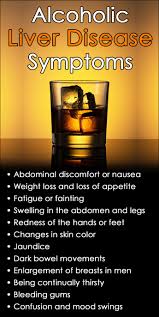
If your liver is damaged (from heavy drinking, hepatitis, or fatty liver), it processes alcohol more slowly. That means longer detection times.
5. Food in Your Stomach
Drinking on an empty stomach sends alcohol into your bloodstream fast. A full meal slows absorption, which spreads out metabolism. That doesn’t change total clearance time much, but it changes peak levels.
6. Hydration Level
This is where the “flushing” idea comes in. Being well-hydrated helps your kidneys filter efficiently. Dehydration slows everything down.
So when people search how to flush alcohol from urine, what they really want is to speed up this entire process. But you can’t hack your liver’s speed limit.
Practical Steps to Support Natural Alcohol Clearance
Let’s get practical. You can’t magically flush alcohol out, but you can avoid slowing it down. Here’s what actually helps.
1. Hydrate Smartly (Don’t Overdo It)
Drink water to stay hydrated, not to “drown” your urine. Aim for a glass of water per hour while drinking, plus extra the next day. Electrolytes help your kidneys function well. But don’t drink so much that your urine runs clear as water—that’s a dilution warning sign.
2. Eat Nutrient-Dense Foods
Your liver needs vitamins and minerals to do its job. B vitamins (especially B1, B6, and B12), vitamin C, zinc, and magnesium all support liver function. Good choices:
- Leafy greens (spinach, kale)
- Eggs
- Nuts and seeds
- Citrus fruits
- Lean protein
3. Get Good Sleep
Your body does most of its repair and detox work while you sleep. A tired liver works slower. So rest matters more than most people realize.
4. Move Your Body (Gently)
Exercise increases blood flow and metabolism. But don’t go crazy. A light walk or jog helps. Intense exercise while dehydrated or hungover can stress your system.
5. Avoid More Alcohol
This sounds obvious, but some people think “a little hair of the dog” helps. It doesn’t. It adds more alcohol to your system, resetting the clock.
6. Give It Time
This is the hard truth. If you have a test in two hours and you drank heavily last night, no method of how to flush alcohol from urine will work fast enough. Your body needs hours, not minutes.
Common Myths About Flushing Alcohol from Urine
Let’s bust some bad advice you’ll find online. These methods don’t work.
Myth 1: Drinking Vinegar or Lemon Juice
Some people claim acidic liquids “cut” alcohol. False. Your stomach acid is already far stronger than vinegar. This does nothing to speed metabolism.
Myth 2: Taking Diuretics (Caffeine, Cranberry Juice, Dandelion Root)
Diuretics make you pee more, but they don’t remove alcohol faster. Alcohol is removed by your liver first. Peeing more just means more diluted urine. Plus, diuretics can dehydrate you, which slows your liver.
Myth 3: Sweating It Out (Sauna, Heavy Exercise)
You sweat out trace amounts of alcohol, but it’s less than 5% of total clearance. You can’t sweat your way to a clean test. And saunas while hungover can cause dangerous dehydration.
Myth 4: Drinking Olive Oil or Milk
Some people think coating your stomach slows absorption. That only matters before you drink. After alcohol is already in your blood, it’s too late.
Myth 5: Detox Teas or “Cleanses”
These are mostly expensive pee. No tea speeds up liver enzymes beyond normal rates. Save your money.
The only reliable answer to how to flush alcohol from urine is time and supporting your body’s natural processes.
How Long Does Alcohol Stay in Urine? Real Timelines
Let’s get specific. These are general estimates based on average metabolism. Your mileage may vary.
| Amount Drank | Ethanol Test (Standard) | EtG Test (Sensitive) |
|---|---|---|
| 1–2 standard drinks | 3–6 hours | 12–24 hours |
| 3–5 drinks | 6–12 hours | 24–48 hours |
| 6–10 drinks | 12–24 hours | 48–72 hours |
| Heavy binge (10+ drinks) | Up to 24 hours | Up to 80 hours |
*Note: A “standard drink” = 14g pure alcohol (one 12oz beer at 5%, one 5oz wine at 12%, or one 1.5oz shot of 40% liquor).*
If you need to pass a urine test, knowing your own drinking history is key. Light drinking might clear overnight. Heavy drinking could take three days or more.
So when someone asks how to flush alcohol from urine for a test tomorrow after a weekend binge, the honest answer is: you can’t fully clear it. But you can stop drinking now and stay hydrated.
Real-Life Examples: When People Want to Flush Alcohol
Case 1: The Surprise Work Test
Situation: Mark had three beers Tuesday night. Wednesday morning, his boss announces random drug and alcohol testing at 10 AM.
What happens: Ethanol test will likely show positive for 6–12 hours. At 10 AM (about 14 hours later), he’s probably negative. No flushing needed. But if he drank heavily, he’d be in trouble.
Case 2: The Court-Ordered EtG Test
Situation: Lisa has an EtG test Monday morning. She drank heavily Friday night (10+ drinks).
What happens: EtG can last up to 80 hours. Friday night to Monday morning is about 60 hours. She might still test positive. No amount of water will fully clear that metabolite. Her only real answer is time.
Case 3: The Morning After a Party
Situation: Jake had 6 drinks over 4 hours, stopped at midnight. He has a home urine test at 8 AM.
What happens: That’s 8 hours of metabolism. At one drink per hour, 6 drinks need ~6 hours. He’s likely clear on an ethanol test but might still show EtG. Drinking 16 oz of water an hour before the test dilutes his sample, but if the test checks for dilution, it’s flagged.
The pattern here? Time is the only sure factor. Hydration helps with concentration but doesn’t remove the actual alcohol.
Does Drinking Water Actually Flush Alcohol from Urine?
This is the core confusion. People think “flush” means “remove.” But your kidneys don’t remove alcohol from your blood—your liver does. Water just changes how concentrated your urine is.
Think of a bathtub. The faucet (liver) pours water (alcohol) into the tub at a steady rate. The drain (kidneys) sends it to urine. If you pour more water (drink more fluids), the tub gets fuller faster, but the faucet’s input doesn’t change. You’re just diluting what’s already there.
So yes, drinking water can lower the concentration of alcohol in your urine. But the total amount of alcohol in your system doesn’t drop faster. And for EtG tests (which are very sensitive), dilution often doesn’t work—they can detect even small amounts.
If you truly want to know how to flush alcohol from urine effectively, understand this: hydration helps you avoid a false positive from dehydration. But it won’t turn a heavy drinker clean in a few hours.
What About Detox Drinks Sold Online?
You’ve seen them. “Pass any test in one hour!” “Herbal cleanse flushes toxins!” They cost $30–$100 and promise miracles.
Here’s the truth: most of these are expensive diuretics mixed with B vitamins and creatine. Why creatine? Because labs check creatinine levels to see if you diluted your sample. These drinks spike your creatinine so your diluted urine looks normal.
But they don’t remove alcohol. They just mask dilution. And if the lab tests for specific gravity or other markers, you’ll get caught.
My advice? Don’t waste your money. No drink can replace your liver’s natural pace. If you’re facing a supervised test, these products won’t help at all.
Healthier Long-Term Approach: Supporting Your Liver
Instead of obsessing over how to flush alcohol from urine for one test, why not support your liver every day? A healthy liver processes alcohol faster and handles toxins better.
Here’s a simple liver-support plan:
- Limit alcohol: Give your liver days off between drinking.
- Eat cruciferous vegetables: Broccoli, Brussels sprouts, and cauliflower boost liver detox enzymes.
- Get enough protein: Amino acids are needed for liver repair.
- Avoid processed foods: High sugar and unhealthy fats stress your liver.
- Stay hydrated consistently: Not just before a test.
- Exercise regularly: Improves blood flow and metabolism.
A healthy liver is your best long-term answer to faster alcohol clearance.
Frequently Asked Questions (FAQ)
1. Can I flush alcohol from my urine in 24 hours?
It depends on how much you drank. For light drinking (1–3 drinks), yes—your body will naturally clear it within 24 hours. For heavy drinking (6+ drinks), you may still have EtG metabolites for 48–72 hours. No method of how to flush alcohol from urine speeds up your liver beyond its natural rate of about one drink per hour.
2. Does coffee help flush out alcohol faster?
No. Coffee makes you feel more awake, but it does not speed up alcohol metabolism. Your liver still processes alcohol at the same speed. In fact, coffee can dehydrate you, which might slow kidney function. Stick to water.
3. How much water should I drink to dilute my urine for a test?
There’s no safe amount to guarantee dilution without getting caught. Drinking 1–2 liters over an hour can dilute urine, but labs check for creatinine (a waste product) and specific gravity. If your urine is too clear and lacks normal waste products, the test is flagged as “diluted” — often treated as a positive or requires a retest. It’s not a reliable strategy.
4. Can exercise help remove alcohol from urine faster?
Exercise increases your metabolic rate, but the effect on alcohol clearance is minimal. Your liver, not your muscles, breaks down alcohol. Light exercise is fine, but intense workouts while alcohol is still in your system can stress your heart and lead to dehydration. It won’t make you pass a test hours sooner.
5. How long after drinking can I pass a urine EtG test?
For a standard EtG test with a cutoff of 100–500 ng/mL, most people clear detectable levels in 48 hours. Heavy drinkers (10+ drinks) may take up to 72–80 hours. Light drinkers (1–2 drinks) often clear in 24 hours. Time is the only reliable factor.
Conclusion: The Truth About Flushing Alcohol from Urine
Let’s wrap this up clearly.
If you’re searching for how to flush alcohol from urine because you have a test tomorrow and you drank today, I won’t lie to you: there’s no quick fix. Your liver works at its own pace—about one standard drink per hour. No pill, tea, or vinegar changes that.
What you can do:
- Stop drinking immediately.
- Hydrate normally (not excessively).
- Eat balanced meals.
- Rest and let your body work.
What you cannot do:
- Speed up your liver.
- Sweat out significant alcohol.
- Flush alcohol away like dirt from a driveway.
The phrase “flush” is misleading. Your kidneys don’t push alcohol out faster; they just filter what your liver has already processed. The real answer to how to flush alcohol from urine is patient, honest waiting—while supporting your body with water, food, and sleep.
If passing a test matters to you, the safest choice is always time. Give your body 24–72 hours depending on how much you drank. And going forward, consider giving your liver the respect it deserves. It works hard for you every single day.



Leave a Reply