
Introduction
You’ve had a few drinks over the weekend. Now, a workplace drug test or a court-ordered screening is looming on Monday morning. Your heart sinks. You start chugging water, searching frantically online, and wondering: Can they still find it?
It’s a common worry. Whether you’re applying for a new job, dealing with legal requirements, or simply curious about your body’s chemistry, understanding how long does alcohol stay in urine is crucial.
Here’s the honest truth: alcohol doesn’t vanish instantly. Your body needs time to process every sip. But the answer isn’t a single number—it depends on you, how much you drank, and even the type of test being used.
In this guide, we’ll break down everything you need to know. No confusing medical jargon. No scare tactics. Just clear, science-backed answers to help you understand alcohol detection in urine. By the end, you’ll know exactly what influences the clock and what to expect.
Let’s dive in.
Understanding How Your Body Processes Alcohol
Before we answer how long does alcohol stay in urine, you need to understand the journey alcohol takes inside you. It’s not magic—it’s biology.
When you drink, alcohol doesn’t just sit in your stomach. About 20% is absorbed directly through your stomach walls. The other 80% moves to your small intestine, where it enters your bloodstream rapidly. From there, your liver kicks into action.
Your liver works like a filter. It produces an enzyme called alcohol dehydrogenase (ADH), which breaks down alcohol into acetaldehyde (a toxic chemical), then into acetate, and finally into harmless water and carbon dioxide.
Here’s the catch: your liver can only process about one standard drink per hour. That’s roughly:
- 12 ounces of beer (5% alcohol)
- 5 ounces of wine (12% alcohol)
- 1.5 ounces of distilled spirits (40% alcohol)
If you drink faster than your liver can work, the leftover alcohol circulates in your blood. Eventually, your kidneys filter it out and send it to your bladder. That’s where urine testing comes in.
So, how long does alcohol stay in urine? The short answer is 12 to 48 hours for standard tests, but for more sensitive lab methods, it can stretch to 80 hours or more. Let’s break that down.
Standard Detection Windows (H2)
The detection window varies wildly depending on the type of urine test used. Most people encounter two main types:
1. Standard Immunoassay Tests (Common in Workplaces)
These are the rapid, inexpensive dipstick tests. They look for the presence of alcohol itself. Because alcohol metabolizes quickly, these tests usually detect it for 12 to 24 hours after your last drink. For heavy drinking, up to 48 hours.
2. EtG Urine Tests (Advanced Lab Testing)
This is the big one. EtG stands for ethyl glucuronide—a direct metabolite of alcohol. Unlike alcohol itself, EtG lingers much longer. EtG tests can detect alcohol for 24 to 80 hours (3 to 4 days) after your last drink. In extreme cases of heavy, prolonged drinking, some studies show traces up to 5 days.
So when someone asks how long does alcohol stay in urine, the real answer depends on whether the lab is looking for alcohol or its metabolite EtG.
Key Factors That Influence Detection Time (H2)
Not everyone processes alcohol the same way. Two people can drink the same amount, and one will test clean a full day earlier. Here’s why.
H3: Your Liver Health
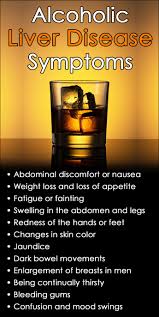
Your liver does the heavy lifting. If you have fatty liver disease, hepatitis, or any liver damage, your metabolism slows down dramatically. Alcohol and its byproducts stick around longer. Healthy liver? Faster clearance.
H3: Your Hydration Levels
This is a double-edged sword. Drinking water dilutes your urine, which can lower the concentration of alcohol or EtG. However, modern labs test for creatinine levels to catch dilution tricks. If your urine is too watery, they flag it as a “dilute sample,” which might count as a refusal to test.
H3: Your Body Composition (Fat vs. Muscle)
Alcohol is water-soluble, not fat-soluble. That means it distributes into your body’s water compartments. People with more muscle mass (and thus more total body water) can dilute alcohol more effectively than someone with higher body fat. Muscle doesn’t speed up metabolism, but it spreads the alcohol out.
H3: Your Age and Biological Sex
As you age, your liver’s efficiency naturally declines. Women typically have less of the stomach enzyme ADH than men, meaning more alcohol reaches their bloodstream before being broken down. That’s why standard drink guidelines differ by sex.
H3: How Much and How Often You Drink
- One or two drinks: 12–24 hours on a standard test.
- Binge drinking (5+ drinks in 2 hours): 24–48 hours.
- Daily heavy drinking: Up to 80 hours for EtG tests.
Chronic drinkers can develop a higher tolerance, but that doesn’t mean faster elimination. In fact, heavy drinkers often have elevated baseline EtG levels that take longer to clear.
H3: Food in Your Stomach
Drinking on an empty stomach sends alcohol rushing into your small intestine and bloodstream. A full stomach (especially with fatty foods) slows absorption, giving your liver more time to keep up. This doesn’t change total detection time much, but it delays the peak concentration.
Real-Life Scenarios: When Will You Test Clean? (H2)
Let’s make this practical. Here are three common situations.
Scenario A: Monday Morning Workplace Test
You had three beers on Friday night (8 PM). You’re a 28-year-old male in good health, normal weight. By Monday 8 AM, about 60 hours have passed. Even an EtG test would likely show negative, unless you had a pre-existing liver condition. Standard test? Definitely clean.
Scenario B: Court-Ordered Random Screening
You’re on probation and slipped up with six drinks on Saturday afternoon. Your test is Tuesday morning. That’s roughly 44 hours. A standard dipstick test might miss it, but an EtG lab test could still detect traces. For guaranteed negative, heavy drinkers often need 72–80 hours.
Scenario C: Pre-Employment Medical Exam
You had two glasses of wine with dinner on Sunday night. Your test is Tuesday at 9 AM. That’s about 36 hours. Both standard and EtG tests will almost certainly be negative, assuming normal hydration and liver function.
Urine vs. Other Testing Methods (H2)
To fully understand how long does alcohol stay in urine, compare it to other common tests.
| Testing Method | Detection Window | Pros | Cons |
|---|---|---|---|
| Urine (Standard) | 12–48 hours | Cheap, non-invasive | Short window |
| Urine (EtG) | 24–80 hours | Long detection | Can’t tell exact amount consumed |
| Blood | 6–12 hours | Very accurate | Invasive, short window |
| Breathalyzer | 12–24 hours | Instant results | Easily influenced by recent drinking |
| Hair | Up to 90 days | Very long history | Expensive, can’t detect recent use |
| Saliva | 12–24 hours | Easy to collect | Shorter than urine |
Urine testing strikes a balance: longer than blood or breath, but not as extreme as hair. That’s why employers and courts love it.
Tips for Understanding Your Own Test Results (H2)
If you’re facing a urine test, here’s what you need to know—without dangerous advice like detox drinks or masking agents (they don’t work).
- Time is your only true friend. No amount of vinegar, cranberry juice, or niacin speeds up your liver. Your body needs about one hour per standard drink.
- Don’t over-hydrate. Yes, water dilutes urine. But labs check specific gravity and creatinine. Overdoing it triggers a “dilute” result, which many programs treat as a positive.
- Understand the test type. Ask (if you can) whether it’s a rapid screen or an EtG lab test. The former gives you a shorter window.
- Be honest if you’re in a treatment program. False negatives can jeopardize your recovery. Most programs are designed to support you, not punish an honest slip.
- Don’t use someone else’s urine. Labs test temperature (must be 90–100°F fresh) and often pH. Adulteration is easy to catch.
Common Myths About Beating a Urine Test (H2)
Let’s kill some bad advice you’ll find on internet forums.
- Myth: “Drink a gallon of water one hour before the test.”
- Fact: You’ll produce clear, dilute urine that raises suspicion. You might get sent back for a supervised collection.
- Myth: “Take vitamin B12 to turn your urine yellow again after dilution.”
- Fact: Labs test for more than color. Creatinine levels will still be low.
- Myth: “Detox teas or pills flush alcohol out faster.”
- Fact: Your liver doesn’t respond to tea. Most “detox” products are expensive diuretics that just increase urination—not metabolism.
- Myth: “If I exercise a lot, I sweat it out faster.”
- Fact: Only about 5–10% of alcohol leaves through sweat, breath, and urine. The rest is metabolized by the liver. Exercise won’t speed up that enzyme process.
FAQ: Your Burning Questions Answered (H2)
Here are the most common questions people ask about how long does alcohol stay in urine.
Q1: Can one beer show up on a urine test 48 hours later?
For a standard immunoassay test, no. One beer is usually cleared within 12–18 hours. For an EtG test, maybe, but only if you have a slow metabolism or liver issues. For a healthy person, one beer is unlikely to be detectable past 30 hours.
Q2: Does drinking coffee help flush out alcohol faster?
No. Coffee makes you feel more awake, but it does nothing to speed up liver enzymes. Your liver still processes alcohol at the same fixed rate. In fact, mixing alcohol with caffeine can make you feel less drunk, leading you to drink more—which prolongs detection.
Q3: How long does alcohol stay in urine if you drink heavily every day?
For chronic heavy drinkers, alcohol itself might clear in 24–48 hours, but EtG metabolites can accumulate. Detection windows of 72–80 hours (or rarely 5 days) are possible. Your liver becomes less efficient over time, so the elimination half-life increases.
Q4: Can a urine test tell how much I drank?
No. Urine tests (including EtG) are qualitative—they show presence or absence of alcohol metabolites. They cannot determine if you had one beer or ten. Only a blood test drawn shortly after drinking can estimate blood alcohol concentration (BAC).
Q5: Will I fail a urine test if I used hand sanitizer or mouthwash?
Possibly, but it’s rare. Some mouthwashes contain up to 27% alcohol. Using them right before a test could cause a very low positive on a sensitive EtG test. However, most labs have cutoff levels (typically 500 ng/mL for EtG) to exclude incidental exposure. Hand sanitizer is unlikely to cause a positive unless you literally drink it.
What to Do If You’re Worried About an Upcoming Test (H2)
Anxiety won’t help. Action will. Here’s a calm, rational plan.
- Calculate your time since last drink. Count the hours honestly. If it’s been less than 24 hours for a standard test or less than 48 hours for an EtG test, there’s a real risk.
- Check your test type. Employment screens are often standard 12-panel tests (no EtG). Probation or rehab almost always use EtG because of the longer window.
- Don’t attempt adulteration. Modern labs test for 20+ adulterants (nitrites, glutaraldehyde, etc.). Getting caught cheating is often worse than a positive result.
- If you’re an employee, know your rights. Some states have laws protecting lawful off-duty conduct. But many jobs (transportation, healthcare, safety-sensitive) have zero-tolerance policies.
- Consider a home test. You can buy EtG urine test strips online for $2–5 each. Test yourself at home 24, 48, and 72 hours after drinking. This gives you real data on your own metabolism.
- Be honest when required. If you’re in a recovery court or treatment program, admitting a relapse shows commitment. Hiding it and failing a test often triggers harsher consequences.
Conclusion: The Bottom Line
So, let’s circle back to the central question: how long does alcohol stay in urine?
- For a standard workplace dipstick test: 12–48 hours (most people clear within 24 hours after moderate drinking).
- For a sensitive EtG lab test: 24–80 hours (heavy drinkers may see up to 5 days).
Your liver health, hydration, body composition, age, sex, and drinking habits all play a role. No magic drink or pill speeds things up. Time is the only proven method.
If you’re facing a urine test, be honest with yourself about when you last drank. If it’s been less than 48 hours and it’s an EtG test, there’s a real chance of detection. If it’s been over 72 hours, you’re almost certainly in the clear—unless you’re a very heavy, daily drinker.
Understanding your body’s timeline empowers you to make better choices. Not to cheat a test, but to plan responsibly and avoid unnecessary anxiety.
And remember: the healthiest way to never worry about a positive urine test is simply to give your body the time it needs. Your liver works hard for you every single day—respect its pace.



Leave a Reply