
Let’s be honest for a second. Life can be messy.
You wake up with itchy, watery eyes from allergies. You take a Benadryl to stop the sneezing. Then, that evening, a friend invites you for drinks. You don’t think twice. You have a glass of wine—or two.
Or maybe you had a few beers at a party, and now you can’t sleep. A little Benadryl might help, right?
Wrong.
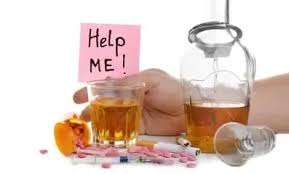
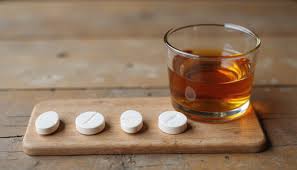
Mixing Benadryl and alcohol isn’t just a bad idea. It’s a risky, potentially dangerous move that thousands of people make every single day without understanding the consequences.
In this article, we’ll break down exactly what happens inside your body when you combine these two substances. You’ll learn why the effects aren’t simply “additive”—they’re exponential. And most importantly, you’ll get the facts you need to stay safe.
Let’s dive in.
What Exactly Are Benadryl and Alcohol?
Before we talk about the dangers, let’s quickly look at each player separately.
Benadryl (Diphenhydramine): More Than Just an Allergy Pill
Benadryl is the brand name for diphenhydramine, a first-generation antihistamine. It works by blocking histamine, the chemical your body releases during an allergic reaction. That’s why it stops hives, itching, and sneezing.
But here’s the key: Benadryl also crosses the blood-brain barrier easily. That means it directly affects your central nervous system (CNS). The “drowsy” side effect isn’t a bug—it’s a feature. Many people use Benadryl as a sleep aid for this very reason.
Alcohol: The Familiar Depressant
Alcohol (ethanol) is also a CNS depressant. It slows down brain activity, impairs coordination, reduces inhibitions, and in larger amounts, depresses vital functions like breathing and heart rate.
When you drink, your liver works hard to break down the alcohol. But your liver has a limit.
What Happens When You Mix Benadryl and Alcohol?
Here is the part most people don’t know: Benadryl and alcohol amplify each other’s effects.
Think of it like this. One depressant is a whisper. Two depressants are a scream.
Instead of simply adding the side effects together, these substances create a synergistic effect. That means 1 + 1 = 3 (or worse).
Let me give you a real-life example.
Sarah has seasonal allergies. She takes one Benadryl at 2 PM. By 5 PM, she feels a little foggy, but fine. She goes to happy hour and has two glasses of wine. Normally, two glasses of wine give her a slight buzz. But today, she feels completely drunk. Her speech slurs. She stumbles to the bathroom. Her friend has to drive her home.
What happened? The Benadryl lowered her tolerance to alcohol dramatically. The same amount of alcohol hit her system twice as hard.
The Specific Dangers You Need to Know
Let’s break down the risks into clear, scary, but necessary details.
1. Extreme Drowsiness and Sedation
Benadryl alone makes you sleepy. Alcohol alone makes you sleepy. Together? You may not be able to stay awake—even while driving, cooking, or watching children.
People have literally fallen asleep standing up after mixing these two.
2. Impaired Motor Control and Accidents
Your reaction time slows to a crawl. Walking feels like wading through wet cement. Driving becomes a life-or-death gamble.
Studies show that mixing diphenhydramine and alcohol impairs driving more than alcohol alone. You are at a significantly higher risk for car crashes, falls, and workplace injuries.
3. Dangerous Breathing Problems
Here is where things get life-threatening. Both substances suppress your respiratory system. In high enough amounts, your brain simply “forgets” to tell your lungs to breathe.
This is especially dangerous for:
- Older adults
- People with asthma or COPD
- Anyone taking other sedatives (like anxiety medication or painkillers)
4. Extreme Confusion and Memory Blackouts
You know that “brain fog” you get after a bad night’s sleep? Multiply that by ten.
Mixing Benadryl and alcohol can cause acute confusion. You might not remember where you are, what you said ten minutes ago, or even who you are with. Complete memory blackouts become much more likely.
5. Overdose Risk
The line between “feeling bad” and “medical emergency” gets very thin. Symptoms of an overdose include:
- Severe confusion or hallucinations
- Very slow, shallow breathing (less than 8 breaths per minute)
- Blueish lips or fingernails
- Seizures
- Coma
If you see any of these signs, call 911 immediately.
Why People Mix Them Anyway (And Why Those Reasons Are Dangerous)
You might be thinking, “Okay, but people must do this for a reason. What are they trying to treat?”
Let’s address the three most common scenarios.
Scenario 1: “I drank too much, and now I can’t sleep.”
Alcohol messes up your sleep architecture. Even though it helps you fall asleep faster, it destroys REM sleep. So you wake up at 3 AM feeling terrible.
Reaching for Benadryl seems logical. But it backfires. You’ll wake up even groggier (the “hangover” effect), and you risk dangerously suppressing your breathing while you sleep.
Better solution: Hydrate with water and electrolytes. Wait it out. Next time, don’t drink close to bedtime.
Scenario 2: “My allergies flared up while I was already drinking.”
Maybe you are at a bar, and someone’s cat or perfume triggers your allergies. You think, “I’ll just take one Benadryl. It’s fine.”
It’s not fine. Your liver is already busy processing alcohol. Adding Benadryl means both substances stay in your system longer, amplifying the sedative effects.
Better solution: Use a non-drowsy antihistamine like loratadine (Claritin) or cetirizine (Zyrtec) for daytime allergy relief. These do not interact as severely with alcohol.
Scenario 3: “I want to get a stronger buzz or ‘potentiate’ the alcohol.”
Some people incorrectly believe that taking Benadryl before drinking will make alcohol feel stronger or cheaper (less alcohol for the same effect).
This is incredibly stupid and dangerous. You are not “saving money.” You are flirting with respiratory failure. Do not do this.
How Long Should You Wait Between Benadryl and Alcohol?
This is a great question, and the answer depends on your body and the doses involved.
As a general rule of thumb:
- If you took Benadryl: Wait at least 6 to 8 hours before drinking any alcohol. This gives your body time to metabolize most of the diphenhydramine.
- If you drank alcohol: Wait until you are completely sober (no trace of a buzz) plus an additional 2–3 hours before taking Benadryl.
However, elderly adults or people with liver conditions should wait even longer—up to 12 to 24 hours.
Pro tip: When in doubt, skip the alcohol entirely. Your allergies or sleeplessness are not worth a trip to the ER.
Special Populations at Higher Risk
Some people need to be extra careful. Way more than extra careful. They should avoid mixing Benadryl and alcohol entirely.
Older Adults (65+)
Aging bodies metabolize drugs more slowly. Plus, older adults often take multiple medications. The combination can look like a stroke or dementia—sudden confusion, memory loss, and inability to walk.
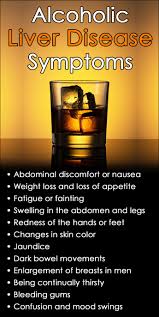
People with Liver Disease
Your liver is the factory that breaks down both alcohol and Benadryl. If your liver is damaged, these substances build up to toxic levels much faster.
People with Sleep Apnea or Lung Conditions
If you already have trouble breathing at night, adding two CNS depressants is like putting a pillow over your face. It’s genuinely life-threatening.
Pregnant or Breastfeeding Women
Neither Benadryl nor alcohol is recommended during pregnancy. Combining them is especially dangerous for fetal development.
What to Do If You Accidentally Mix Them
Mistakes happen. You might have forgotten you took Benadryl earlier in the day. Then you had a beer without thinking.
Don’t panic. But do take action immediately.
- Stop drinking. Put the glass down. Right now.
- Do not drive. Hand your keys to someone sober.
- Tell someone nearby. Let a friend or family member know what you took and when.
- Hydrate with water. Not coffee. Caffeine doesn’t reverse sedation.
- Monitor your breathing. If you feel your breaths becoming shallow or slow, or if you feel faint, seek medical help immediately.
Safer Alternatives for Common Problems
Let’s solve the real problems without the danger.
For Allergies While Drinking:
- Use second-generation antihistamines like fexofenadine (Allegra), loratadine (Claritin), or cetirizine (Zyrtec). These are less sedating and have minimal interaction with alcohol.
- Use a nasal spray like fluticasone (Flonase) for nasal allergies.
For Sleep After Drinking:
- Wait for the alcohol to leave your system (about one drink per hour).
- Drink a large glass of water.
- Eat a small snack with protein and carbs.
- Try melatonin (start with 1–3 mg). It’s much safer than Benadryl in this situation.
- Use a white noise machine or a cooling eye mask.
For Hangover Anxiety or Restlessness:
- Take a warm shower.
- Practice slow, deep breathing (4 seconds in, 6 seconds out).
- Avoid any sedatives. Your body needs to reset naturally.
Real Stories (Anonymized) You Should Hear
A 22-year-old college student took two Benadryl for seasonal allergies, then went to a party and had four shots of vodka over two hours. He was found unconscious by friends. Paramedics said his breathing rate was six breaths per minute—a medical emergency. He survived but spent the night in the ICU.
A 45-year-old mother with insomnia routinely took 50mg of Benadryl and two glasses of wine each night to “relax.” She started experiencing memory lapses, fell down her stairs one morning, and broke her wrist. Her doctor told her the combination was accelerating cognitive decline.
These aren’t scare tactics. These are real outcomes from a mix that feels “normal” but isn’t.
FAQ: Your Benadryl and Alcohol Questions Answered
1. Can I have just one beer with Benadryl?
Technically, one beer with a standard dose of Benadryl (25mg) might not send you to the hospital. But it’s still risky. Your reaction time will be impaired more than you realize. You’ll be drowsier. And if you’re driving or operating machinery, you’re putting yourself and others at risk. Best answer: No.
2. How long after taking Benadryl can I drink alcohol?
Wait a minimum of 6 hours. For complete safety, wait 8 hours. If you took extra-strength Benadryl (50mg), wait 10–12 hours. Always listen to your body. If you still feel drowsy, do not drink.
3. Is it worse to drink before or after taking Benadryl?
Both are bad, but drinking after taking Benadryl is generally more dangerous. When you take Benadryl first, it’s already in your bloodstream and brain, sensitizing your CNS. The alcohol then hits an already-depressed system, causing a rapid, exaggerated effect.
4. Can Benadryl help with alcohol allergies or hangovers?
No. Alcohol “allergy” (actually an intolerance) is caused by your body’s inability to break down alcohol properly. Benadryl won’t help. It will just add sedation to your misery. For hangovers, Benadryl makes you sleep, but you’ll wake up with worse grogginess and dehydration. Stick to water, electrolytes, and time.
Strong Conclusion: Your Health Comes First
Let’s bring this home.
Benadryl and alcohol are both effective tools when used alone and responsibly. Benadryl stops allergic reactions. Alcohol can be part of social celebrations. But together? They form a partnership that your body never asked for.
You now know the real risks:
- Extreme sedation and falls
- Dangerous breathing suppression
- Memory blackouts and confusion
- Higher overdose risk
You also know safer alternatives for allergies, sleep, and hangovers.
Here is my final, clear advice: Do not mix them. If you need allergy relief, skip the drink. If you plan to drink, use a non-drowsy antihistamine or nothing at all. And if you already took Benadryl, wait at least six to eight hours before having any alcohol.
Your life, your coordination, and your brain function are worth protecting.
Share this article with someone who might need to hear it. You could prevent a bad night—or a much worse one.
Stay smart. Stay safe. And never underestimate how powerful two simple substances can be when you put them together.




Leave a Reply