
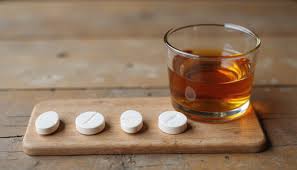
You’ve just had a long week. Your friend invites you out for drinks, and you think, “One beer won’t hurt, right?” But there’s a little orange bottle in your medicine cabinet—Wellbutrin.
If you’re one of the millions of people taking this antidepressant, you’ve probably wondered: What’s the real deal with mixing wellbutrin and alcohol?
Maybe your doctor gave you a vague warning. Maybe you’ve already tried drinking on it and felt “fine.” Or maybe you’re too nervous to even sip champagne at a wedding.
Let’s clear this up once and for all. No judgment. Just facts, real-world examples, and practical advice you can actually use.
By the end of this guide, you’ll know exactly why wellbutrin and alcohol can be a dangerous combo, what happens inside your body when you mix them, and how to make safer choices—without feeling like you’re missing out on life.
What Is Wellbutrin? (And Why It’s Different From Other Antidepressants)
Before we talk about mixing, let’s quickly understand what Wellbutrin actually is.
Wellbutrin is the brand name for bupropion. Unlike most antidepressants (like Zoloft or Prozac, which work on serotonin), Wellbutrin targets dopamine and norepinephrine—two brain chemicals linked to energy, focus, and reward.
That’s why Wellbutrin is often prescribed for:
- Major depressive disorder (especially when fatigue is a big symptom)
- Seasonal affective disorder (SAD)
- Smoking cessation (under the name Zyban)
- Off-label: ADHD, anxiety, or weight management
Here’s the key point: Wellbutrin lowers your seizure threshold. That means your brain becomes more sensitive and more likely to have a seizure than usual.
Why does that matter for alcohol? Hang tight—we’re getting there.
What Happens When You Mix Wellbutrin and Alcohol? (The Short Answer)
When you combine wellbutrin and alcohol, two things happen inside your body.
First, alcohol acts as a central nervous system depressant—it slows everything down. Wellbutrin, on the other hand, has a stimulating effect. Your brain ends up getting mixed signals, like stepping on the gas and the brake at the same time.
Second, and more seriously, alcohol also lowers your seizure threshold. So now you have two substances—Wellbutrin and alcohol—both making your brain more prone to seizures.
That’s the main danger. But it’s not the only one.
5 Major Risks of Mixing Wellbutrin and Alcohol
Let’s break down what can actually go wrong. These aren’t rare, theoretical side effects. They happen to real people.
1. Increased Risk of Seizures (Even for People Without Epilepsy)
This is the #1 concern. Clinical studies show that the risk of seizures with Wellbutrin alone is about 0.4% at standard doses. Add alcohol—especially heavy drinking or withdrawal—and that number jumps significantly.
Real-life example: A 28-year-old with no history of seizures had two glasses of wine while on 300mg of Wellbutrin XL. An hour later, she had a tonic-clonic seizure at a restaurant. She was fine afterward, but her doctor immediately stopped the medication.
2. Worse Mental Health Symptoms
Alcohol is a depressant. If you’re taking Wellbutrin for depression, alcohol can undo your progress. Many people report feeling:
- More irritable or aggressive
- Deep sadness or hopelessness the next day (“hangover depression”)
- Increased anxiety or panic attacks
3. Severe Dizziness and Confusion
Even one drink on Wellbutrin can make you feel like you’ve had three. You might experience:
- Sudden spinning sensations (vertigo)
- Trouble focusing your eyes
- Feeling “out of body” or disconnected
4. Hangovers From Hell
Because both Wellbutrin and alcohol are processed by your liver, your body has to work overtime. The result? Headaches, nausea, and brain fog that last well into the next day—even after just one or two drinks.
5. Risky Behavior and Poor Decisions
Wellbutrin affects dopamine (your “reward” chemical). Alcohol lowers inhibitions. Together, some people report:
- Drinking way more than they planned
- Forgetting to take their medication
- Impulsive choices (driving, texting exes, overspending)
Who Is Most at Risk?
Not everyone will have a seizure from mixing wellbutrin and alcohol. But certain people are in the danger zone.
You have higher risk if you:
- Drink heavily (more than 3–4 drinks in one sitting)
- Are in alcohol withdrawal (seizure risk skyrockets here)
- Have a history of seizures or epilepsy
- Have an eating disorder (bulimia or anorexia can lower electrolyte levels, increasing seizure risk)
- Take a high dose of Wellbutrin (450mg or more)
- Use other stimulants (ADHD meds, caffeine pills, energy shots)
Important: Even if you don’t fit any of these categories, moderate drinking still carries risks. There’s no “safe” amount that works for everyone.
Can You Ever Drink Alcohol While Taking Wellbutrin?
This is the question everyone wants answered.
Here’s the honest truth: Most doctors will tell you to avoid alcohol completely while taking Wellbutrin. But they also know that people have birthdays, weddings, and bad days.
If you choose to drink—and you don’t have any high-risk factors—some psychiatrists say an occasional, single drink might be okay. But there are strict rules.
The “Lower-Risk” Approach (Not No-Risk)
These are harm-reduction tips, not medical advice. Always talk to your doctor first.
- Start with half a drink. See how you feel after 60–90 minutes.
- Avoid hard liquor. Stick to low-alcohol options like light beer or a small glass of wine.
- Never drink on an empty stomach. Food slows alcohol absorption.
- Hydrate between sips. One glass of water for every alcoholic drink.
- Skip drinking if you’ve increased your dose recently. Your brain needs weeks to adjust.
When You Should Never, Ever Drink
- If you have any seizure history
- If you’re taking 450mg or more of Wellbutrin per day
- If you’re also taking benzodiazepines (Xanax, Valium) or opioids
- If you’re in alcohol recovery (Wellbutrin can reduce cravings, so drinking defeats the purpose)
What the Science Says: Studies on Wellbutrin and Alcohol
Let’s look at the data so you’re not just trusting random internet forums.
- A 2014 review in CNS Drugs found that bupropion (Wellbutrin) significantly lowers seizure threshold, and alcohol acts as a “provoking factor” for seizures in susceptible individuals.
- The manufacturer’s official prescribing information states: “Alcohol use should be minimized or avoided.” That’s strong language from a drug company.
- One small study on healthy volunteers showed that even moderate drinking (blood alcohol level of 0.05%) combined with Wellbutrin caused measurable increases in dizziness and impaired motor coordination.
Bottom line: The science says no amount is truly “safe.” But it also acknowledges that a single, low-alcohol drink carries lower risk than binge drinking.
Real-Life Scenarios: How People Navigate This
Let’s make this practical. Here are three different approaches real people take.
Scenario A: “I just don’t drink anymore.”
Sarah, 34, on 300mg Wellbutrin for depression.
Sarah tried having one beer at a cookout. She felt spacey and anxious for two days afterward. Her decision: “It’s just not worth it. I bring my own sparkling water with lime now. No one cares.”
Scenario B: “I have one drink, very slowly, once a month.”
Marcus, 42, on 150mg Wellbutrin for SAD.
Marcus drinks half a glass of red wine with dinner on special occasions. He waits an hour before driving. He’s never had a seizure, but he says, “I can feel it’s different. One drink feels like two used to.”
Scenario C: “I learned the hard way.”
Jenna, 27, on 150mg Wellbutrin XL.
Jenna had three vodka sodas at a holiday party. She had a seizure in the Uber home. She now carries a medical ID card and hasn’t touched alcohol in two years.
Takeaway: Everyone responds differently. But you won’t know your limit until you might cross it.
Tips for Talking to Your Doctor About Wellbutrin and Alcohol
Doctors are busy. Sometimes they give blanket warnings without explaining why. Here’s how to have an honest conversation.
Ask these questions:
- “Based on my personal health history, is any amount of alcohol risky?”
- “If I have one drink at a family wedding, what specific symptoms should I watch for?”
- “Would switching to the SR or XL formulation change the risk?”
- “What should I do if I accidentally have too much to drink?”
Be honest about how much you actually drink. Your doctor isn’t there to judge you. They need real information to keep you safe.
What If You Already Drank on Wellbutrin?
Don’t panic. Millions of people have done this.
If you feel fine: Stop drinking for the night. Drink water. Eat something. Have a friend check on you. You’ll likely be okay.
If you feel weird—dizzy, confused, or “off”: Sit down. Don’t drive. Call a friend or family member. If you have a seizure or lose consciousness, call 911 immediately.
The next day: Skip your morning Wellbutrin dose until you talk to a pharmacist or doctor (the half-life of alcohol and bupropion overlap can stress your liver).
Do not abruptly stop Wellbutrin on your own if you’ve been drinking heavily. Withdrawal from the medication can also trigger seizures. Call a professional.
Frequently Asked Questions (FAQ)
1. Can I have one beer while taking Wellbutrin?
Technically, it’s not recommended. But some people tolerate a single low-alcohol beer (under 4% ABV) without major issues. Start with half a beer, eat food, and wait 90 minutes. If you feel any dizziness or “spaciness,” stop immediately.
2. How long after stopping Wellbutrin can I drink alcohol?
Wellbutrin stays in your system for about 4–5 days after your last dose (based on its half-life of roughly 21 hours). However, you should never stop your medication just to drink without talking to your doctor. That’s dangerous for your mental health.
3. Why does my hangover feel so much worse on Wellbutrin?
Your liver processes both substances. Alcohol creates toxic byproducts (acetaldehyde), and Wellbutrin competes for the same detox pathways. Result: more inflammation, worse headaches, and lingering brain fog.
4. What should I do if I accidentally binge drink on Wellbutrin?
Have someone stay with you for 8–12 hours. Watch for: muscle twitching, staring spells, confusion, or loss of consciousness. If any of those happen, call 911. Do not “sleep it off” alone—seizures can occur during sleep.
5. Does Wellbutrin make you more sensitive to alcohol?
Yes. Most people report feeling the effects of alcohol faster and stronger. A drink that used to make you feel “buzzed” might now make you feel drunk or sick.
Safer Alternatives: What to Drink Instead
If you’re going to a social event and don’t want to feel left out, try these. They look like cocktails, taste great, and have zero risk with Wellbutrin.
- Sparkling water + lime + mint (refreshing and crisp)
- Non-alcoholic beer (most have <0.5% ABV—check brands like Heineken 0.0 or Athletic Brewing)
- Ginger beer + soda water (gives you that “cocktail” feel)
- Kombucha (only if it’s low-alcohol—some have 0.5–1%. Read labels)
- Mocktail version of your favorite drink (virgin mojito, no-jito)
Pro tip: Bring your own drink to parties. Seriously. No one will ask what’s in your cup, and you’ll avoid awkward pressure.
Conclusion: Respect the Combination
Here’s the bottom line on wellbutrin and alcohol.
Mixing them is not like mixing ibuprofen and coffee. It’s not a minor inconvenience. Wellbutrin lowers your seizure threshold. Alcohol lowers your seizure threshold. Together, they create real, preventable danger.
That doesn’t mean you have to hide at home or never celebrate again. It means you need a plan. For some people, that plan includes zero alcohol. For others, it’s an occasional half-drink with food and water. But everyone—everyone—should avoid binge drinking and listen to their body.
Your brain is doing important work. It’s fighting depression, regulating your mood, and helping you get through the day. Don’t let one night of drinking undo weeks or months of progress.
Talk to your doctor. Be honest. And if you decide to drink, do it smarter, slower, and smaller than you ever have before.
You’ve got one brain. Protect it.





Leave a Reply