
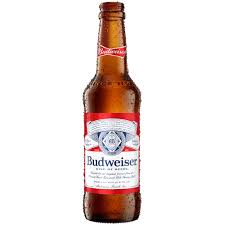
When you crack open a cold bottle of Budweiser on a hot summer day or at a backyard barbecue, you probably aren’t thinking about chemistry. You’re thinking about taste, refreshment, and relaxation. But have you ever wondered exactly how much alcohol you’re actually drinking? Understanding budweiser alcohol content isn’t just for beer geeks or homebrewers. It matters for anyone who wants to drink responsibly, plan their evening, or simply compare different beers.
In this guide, we’ll break down everything you need to know about the alcohol by volume (ABV) in every major Budweiser product. We’ll also look at how Bud stacks up against other popular beers, share practical tips for pacing yourself, and answer the most common questions drinkers ask. Let’s dive in.
What Is the Standard Budweiser Alcohol Content?
The classic Budweiser—the one in the familiar red, white, and blue can—has an budweiser alcohol content of 5% ABV (alcohol by volume). That’s the standard for the original lager that has been brewed since 1876.
To put that number in perspective, 5% ABV is right in the middle of the pack for mass-market lagers. It’s not as strong as an IPA (which often runs 6–7% ABV) and not as light as many “session” beers (which can be 3–4% ABV). It’s what many beer drinkers would call the “goldilocks” strength—noticeable but not overwhelming.
Here’s a quick breakdown of what 5% ABV means in real terms:
- In a 12-ounce can: About 0.6 ounces of pure alcohol
- In a 16-ounce pint: About 0.8 ounces of pure alcohol
- In a 25-ounce tallboy: About 1.25 ounces of pure alcohol
That might not sound like much, but it adds up. Your body processes roughly one standard drink per hour. A standard drink in the US is defined as 0.6 ounces of pure alcohol—meaning one 12-ounce Budweiser is exactly one standard drink.
Budweiser Product Line: Alcohol Content by Variety
Budweiser isn’t just one beer anymore. The brand has expanded into a whole family of brews, each with its own ABV. Here’s how they compare.
Budweiser (Original) – 5% ABV
The classic. Crisp, medium-bodied, and balanced. This is the baseline for everything else.
Bud Light – 4.2% ABV
America’s most popular light beer. Lower calories (110 per 12 oz) and lower alcohol. Many drinkers choose Bud Light for longer sessions—tailgates, golf outings, or all-day parties—because the lower ABV makes it easier to pace yourself.
Budweiser Zero – 0.0% ABV
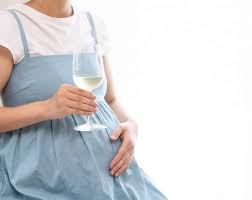
A true non-alcoholic beer. Budweiser Zero contains less than 0.05% ABV, which qualifies as alcohol-free by most standards. It’s designed for drivers, designated drivers, pregnant women, or anyone who wants the taste of Bud without any intoxication.
Budweiser Select – 4.3% ABV (discontinued in some markets)
Select was a “light light” beer with even fewer carbs and calories than Bud Light. It’s no longer widely available, but you might still find it in certain regions.
Budweiser Select 55 – 2.4% ABV (discontinued)
An ultra-low-alcohol beer that contained just 55 calories per 12-ounce serving. It was popular among dieters but never caught on long-term.
Budweiser Chelada – 5% ABV
A unique blend of Budweiser, tomato juice, clam juice, and spices. The alcohol content remains 5% ABV, but because of the added juices, the overall volume of beer per can is slightly lower.
Budweiser Reserve Series (various)
These limited-edition brews (like Budweiser Reserve Copper Lager or Reserve Black Lager) often range from 5.5% to 6.5% ABV. They’re stronger than standard Budweiser because they use more hops, different malts, or barrel-aging techniques.
Pro tip: Always check the label. While most Budweiser products stick to these numbers, seasonal and specialty releases can vary. The ABV is printed on the can, bottle, or package—usually near the nutrition facts or barcode.
How Budweiser Alcohol Content Compares to Other Popular Beers
Context helps. Let’s see where Budweiser sits next to other big-name beers.
| Beer | ABV | Type |
|---|---|---|
| Budweiser | 5.0% | American Lager |
| Bud Light | 4.2% | Light Lager |
| Coors Light | 4.2% | Light Lager |
| Miller Lite | 4.2% | Light Lager |
| Corona Extra | 4.6% | Pale Lager |
| Heineken | 5.0% | Pale Lager |
| Stella Artois | 5.0% | Pale Lager |
| Guinness Draught | 4.2% | Dry Stout |
| Sierra Nevada Pale Ale | 5.6% | Pale Ale |
| Samuel Adams Boston Lager | 5.0% | Vienna Lager |
As you can see, budweiser alcohol content is nearly identical to other premium lagers like Heineken, Stella, and Sam Adams. Bud Light matches its light-beer rivals exactly at 4.2%. In other words, Budweiser isn’t unusually strong or weak—it’s right where most American drinkers expect it to be.
Why Does This Matter?
If you’re used to drinking IPAs or craft stouts (often 6–8% ABV), switching to Budweiser means you’ll feel the effects more slowly. Conversely, if you normally drink light beer, a standard Budweiser will hit you a little harder. Knowing the numbers lets you adjust your pace.
Real-Life Scenarios: When Budweiser Alcohol Content Actually Matters
Let’s make this practical. Here are three common situations where knowing the ABV of your Budweiser makes a real difference.
Scenario 1: The Tailgate Party
You’re at a football game. It’s noon. You plan to drink for six hours. If you choose Bud Light (4.2% ABV), you can have about one beer per hour and stay under a 0.08 BAC (assuming average body weight). If you choose standard Budweiser (5% ABV), you’ll need to slow down to about one beer every 75–90 minutes. That’s a big difference over a long afternoon.
Scenario 2: The Weeknight Dinner
You have work tomorrow. You want one beer with your burger. Budweiser’s 5% ABV is perfect—it’s enough to relax without disrupting sleep or causing morning grogginess. A higher-ABV IPA might leave you feeling sluggish the next day.
Scenario 3: The “I’ll Drive” Friend
You’re the designated driver. You still want the taste of beer. Reach for Budweiser Zero (0.0% ABV). You get the same crisp profile with zero alcohol. No worries about breathalyzers or impairment.
Tips for Drinking Budweiser Responsibly
Understanding alcohol content is the first step. Here’s how to use that knowledge.
- Count your drinks. One 12-oz Budweiser = one standard drink. Two pints (16 oz each) = 2.66 standard drinks. Keep a mental tally.
- Pace with water. Alternate each Budweiser with a full glass of water. This slows your alcohol absorption rate and prevents dehydration.
- Eat before and during. Food—especially fats and proteins—slows how quickly alcohol enters your bloodstream. Never drink Budweiser on an empty stomach.
- Know your limit. For most men, moderate drinking means 2 drinks per day. For women, it’s 1 drink per day. Budweiser’s 5% ABV fits neatly into these guidelines.
- Read the can. In the US, Budweiser labels now include a clear “Alcohol 5% by Volume” statement. In Canada and Europe, you’ll see “5% ABV.” Always check—especially when traveling.
Frequently Asked Questions (FAQ)
Q1: Is Budweiser stronger than Bud Light?
Yes. Budweiser has 5% ABV, while Bud Light has 4.2% ABV. That means a 12-ounce Budweiser contains about 19% more pure alcohol than the same size Bud Light.
Q2: How many Budweisers does it take to get drunk?
That depends on your weight, sex, tolerance, and how fast you drink. On average, a 180-lb man might feel noticeably buzzed after 3–4 Budweisers in an hour. A 140-lb woman might feel the same after 2–3. Always drink slowly and pay attention to your body.
Q3: Does Budweiser have more alcohol than most beers?
No. The standard budweiser alcohol content of 5% ABV is average for a mass-market pale lager. Many craft beers (IPAs, stouts, Belgian ales) range from 6–12% ABV, which is significantly stronger. Budweiser is considered a moderate-strength beer.
Q4: Is there a non-alcoholic Budweiser?
Yes. Budweiser Zero contains 0.0% ABV (technically less than 0.05%). It’s brewed to taste similar to original Budweiser but with the alcohol removed through a special vacuum distillation process.
Q5: Does Budweiser alcohol content vary by country?
Slightly. In some international markets, Budweiser brewed under license may be 4.8–5.2% ABV due to local laws or taste preferences. However, in the United States, Canada, and most of Europe, the standard Budweiser is consistently 5% ABV.
Q6: Can I feel the difference between 4.2% and 5% ABV?
Most regular drinkers can. The difference is subtle, but over three or four beers, it adds up. Three Bud Lights (4.2%) equal about 1.5 standard drinks of alcohol. Three Budweisers (5%) equal about 1.8 standard drinks. That 0.3 difference can be noticeable in terms of buzz and next-day effects.
Conclusion: Know Your Beer, Drink Smarter
The budweiser alcohol content of 5% ABV makes it a classic, moderate-strength American lager. It’s strong enough to satisfy but light enough to enjoy a couple without losing control. Whether you choose original Budweiser, Bud Light at 4.2%, or Budweiser Zero at 0.0%, you now know exactly what you’re pouring into your glass.
Understanding ABV isn’t about being a killjoy. It’s about making informed choices—so you can enjoy your beer, stay safe, and wake up feeling good the next morning. Next time someone hands you a cold red-and-white can, you’ll know exactly what you’re drinking.
So go ahead. Crack it open. Sip slowly. And drink smarter, not harder.

Leave a Reply