
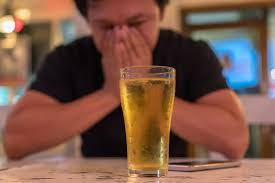
You had a fun night out. Maybe it was a few cocktails with friends, a couple of glasses of wine at dinner, or a round of beers while watching the game. You woke up feeling the usual hangover—headache, fatigue, maybe a little nausea. But when you went to the bathroom, something else caught your attention: the toilet bowl looked different. There was bright red blood.
Your heart might skip a beat. Your mind might race toward the worst-case scenario. Take a deep breath. Seeing blood in your stool is scary, but it doesn’t always mean a life-threatening emergency. In this article, we’ll break down exactly what it means when you experience pooping bright red blood after drinking alcohol, what the possible causes are, and—most importantly—when you need to see a doctor.
By the end, you’ll understand the connection between alcohol and your lower digestive tract, and you’ll know exactly what steps to take next.
Why Does This Happen? The Alcohol-Gut Connection
Alcohol doesn’t just affect your liver and brain. It travels through your entire digestive system, from your mouth to your anus. For some people, alcohol can irritate the lining of the stomach and intestines. For others, it can worsen pre-existing conditions that lead to bleeding.
When you see bright red blood (as opposed to dark, tarry black blood), that’s a strong clue. Bright red usually means the bleeding is coming from the lower part of your digestive tract—specifically the colon, rectum, or anus. The blood hasn’t traveled far, so it’s still fresh.
So, why would alcohol trigger this? Let’s look at the most common reasons.
Common Causes of Pooping Bright Red Blood After Drinking Alcohol
1. Hemorrhoids (The Most Likely Culprit)
Hemorrhoids are swollen veins in your rectum or anus, similar to varicose veins. They are incredibly common—about 1 in 20 adults in the U.S. has them. Alcohol can make hemorrhoids act up for two reasons:
- Dehydration: Alcohol is a diuretic, meaning it makes you pee more. This can lead to constipation. Hard, dry stools scrape against hemorrhoids, causing them to bleed.
- Increased blood flow: Alcohol temporarily raises blood pressure and dilates blood vessels. That extra pressure can irritate already swollen hemorrhoids.
What it looks like: A few drops of bright red blood on the toilet paper, or a small streak on the surface of the stool. No pain (unless it’s a thrombosed hemorrhoid).
Real-life example: Sarah, 32, noticed bright red blood after a weekend of heavy drinking at a bachelorette party. She panicked and went to urgent care. Turns out, she had internal hemorrhoids she never knew about. The alcohol-induced dehydration made her constipated, and the straining caused the bleeding.
2. Anal Fissures (Small Tears)
An anal fissure is a tiny tear in the lining of the anus. It can happen after passing a large or hard stool. Alcohol contributes here the same way it does with hemorrhoids: dehydration leads to constipation, which leads to tearing.
What it looks like: Bright red blood on the toilet paper, often accompanied by sharp, stinging pain during and after a bowel movement. The pain can last for hours.
3. Alcohol-Induced Gastritis (With a Twist)
Gastritis is inflammation of the stomach lining. Heavy drinking can cause acute gastritis. Typically, gastritis leads to dark, tarry stools (melena) because the blood is digested as it travels down. However, if you’re also vomiting forcefully (a common hangover symptom), you can develop Mallory-Weiss syndrome—a tear in the esophagus. That blood can appear bright red if it passes quickly through the system.
What it looks like: Blood mixed with stool or diarrhea, often accompanied by vomiting blood, abdominal pain, and nausea.
4. Diverticular Disease (Diverticulitis)
Diverticula are small pouches that form in the lining of the colon. They become more common with age. Alcohol doesn’t cause diverticulosis, but heavy drinking can trigger a flare-up of diverticulitis (inflammation of those pouches). When a pouch bleeds, it’s called diverticular bleeding, and it’s known for causing sudden, painless, large amounts of bright red or maroon blood.
What it looks like: A significant amount of bright red or maroon blood in the toilet bowl, often without pain. This requires medical attention.
5. Inflammatory Bowel Disease (IBD) Flare-Up
If you have Crohn’s disease or ulcerative colitis, alcohol is a known trigger. Both conditions cause chronic inflammation in the digestive tract. Even moderate drinking can cause a flare, leading to ulcers and bleeding.
What it looks like: Bright red blood mixed with diarrhea, mucus, cramping, and urgent bowel movements.
When Is It an Emergency? Red Flags You Should Never Ignore
Look, most of the time, pooping bright red blood after drinking alcohol is due to hemorrhoids or an anal fissure. But not always. You need to go to the ER immediately if you also have:
- Large amounts of blood (filling the toilet bowl or multiple clots)
- Dizziness, fainting, or confusion (signs of significant blood loss)
- Severe abdominal pain (not just hangover nausea)
- Vomiting blood (looks like coffee grounds or bright red)
- Fever and chills
- Rapid heart rate or shallow breathing
Tip: If you’re on blood thinners (like warfarin, Eliquis, or Xarelto), any rectal bleeding is a reason to call your doctor immediately, even if it’s just a small amount.
Can Alcohol Cause Colon Cancer? Let’s Clear This Up
This is the question many people are really asking. Does pooping bright red blood after drinking alcohol mean you have colon cancer?
The honest answer: Probably not, but alcohol is a risk factor for colorectal cancer. The American Cancer Society lists heavy, long-term alcohol use as a risk factor. However, cancer-related bleeding is usually slow and chronic—not something that appears suddenly after a single night of drinking.
That said, if you’re over 45, have a family history of colon cancer, or have been noticing blood on and off for weeks (not just after drinking), you should get a colonoscopy. It’s better to be safe.
How to Stop the Bleeding and Prevent It from Happening Again
You don’t have to give up alcohol forever (unless your doctor says so). But you do need to be smarter about how you drink and how you care for your gut.
Immediate Steps (What to Do Right Now)
- Stop drinking alcohol for at least 48–72 hours. Give your digestive tract a break.
- Hydrate aggressively. Drink water with electrolytes. Dehydration is public enemy #1 here.
- Increase fiber gently. Oatmeal, bananas, cooked carrots, or psyllium husk. Avoid harsh laxatives.
- Use a stool softener (like docusate sodium) if you’re constipated. Do not strain.
- Apply over-the-counter hemorrhoid cream if you suspect hemorrhoids.
Long-Term Prevention Strategies
- The 2-to-1 rule: For every alcoholic drink, drink two glasses of water. This prevents dehydration-related constipation.
- Eat before you drink. A meal with fiber and healthy fat slows alcohol absorption and protects your gut lining.
- Limit NSAIDs. Mixing alcohol with ibuprofen or aspirin increases the risk of gastrointestinal bleeding.
- Don’t drink on an empty stomach. Ever. Empty stomach + alcohol = maximum irritation.
- Know your triggers. For some people, red wine and dark liquor are worse than clear spirits like vodka or gin.
What Will the Doctor Do? (A Sneak Peek)
If you decide to see a doctor (and you should if it happens more than once), here’s what to expect:
- Medical history and physical exam (including a digital rectal exam).
- Anoscopy – a small tube to look at the anal canal and lower rectum.
- Sigmoidoscopy or colonoscopy – if the bleeding is unexplained or you have risk factors.
- Blood tests – to check for anemia from chronic blood loss.
Most people leave with a diagnosis of hemorrhoids or fissures and a simple treatment plan. Only a small percentage need more advanced care.
FAQ: Your Most Pressing Questions Answered
1. Is pooping bright red blood after drinking alcohol always serious?
No. In most cases, it’s caused by hemorrhoids or an anal fissure—both of which are uncomfortable but not dangerous. However, you should never ignore rectal bleeding. If it happens once and stops, monitor yourself. If it happens again or comes with pain, fever, or large amounts of blood, see a doctor.
2. How long after drinking will I see blood?
It varies. For hemorrhoids or fissures, you might see blood the next morning or even two days later (due to constipation from dehydration). For alcohol-induced gastritis or diverticular bleeding, it can happen within hours of drinking.
3. Can one night of heavy drinking cause internal bleeding?
Yes, but it’s rare. Acute gastritis can cause superficial bleeding in the stomach lining. A Mallory-Weiss tear from vomiting can cause more significant bleeding. If you vomit blood or pass large amounts of red blood from the rectum after a single night of heavy drinking, go to the ER.
4. Should I stop drinking completely if this happens to me?
Not necessarily. If the cause is hemorrhoids or a fissure, you can continue drinking as long as you stay hydrated and avoid constipation. If you have IBD, diverticulitis, or chronic gastritis, your doctor may recommend quitting alcohol entirely. Try a 30-day break and see if symptoms disappear.
5. Will the blood go away on its own?
In mild cases (small hemorrhoid or fissure bleeding), yes—usually within 2–3 days of hydration and gentle bowel habits. If the bleeding lasts longer than a week, increases in volume, or keeps coming back every time you drink, see a doctor.
A Step-by-Step Action Plan (Use This Tomorrow Morning)
Let’s say you wake up, see blood, and panic is setting in. Follow this checklist:
- Step 1: Don’t wipe aggressively. Use wet wipes or a bidet. Pat dry.
- Step 2: Drink 16–20 oz of water immediately. Add electrolytes if you have them.
- Step 3: Eat a small, bland meal (oatmeal, rice, banana). Avoid caffeine, spicy food, and more alcohol.
- Step 4: Examine the toilet paper. Is it just a few drops? Or is the bowl full of blood?
- Step 5: If it’s a few drops and you feel fine, monitor for 24 hours. If it’s more than a tablespoon or you feel dizzy, go to urgent care or the ER.
- Step 6: Keep a “poop diary” for the next week. Note the color, amount, and any pain. This helps your doctor immensely.
Conclusion: Listen to Your Body, But Don’t Panic
Seeing pooping bright red blood after drinking alcohol is a frightening experience. But in the vast majority of cases, it’s your body’s way of waving a yellow flag—not a red emergency siren. Hemorrhoids and anal fissures are the usual suspects, and they are highly treatable with hydration, fiber, and a short break from alcohol.
That said, your body is giving you valuable information. Maybe you need to drink more water. Maybe you need to eat before happy hour. Or maybe—just maybe—this is a sign that your drinking habits are taking a toll on your digestive health.
The key is to never ignore rectal bleeding. Get checked out if it happens more than once, if it’s accompanied by pain or fever, or if you have any risk factors for colon disease. A 15-minute doctor’s visit can save you weeks of worry.
Now go drink some water. Your gut will thank you.



Leave a Reply