
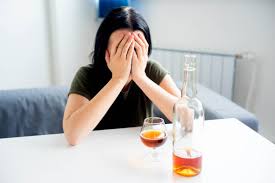
You’ve probably felt it after a night out: puffy eyes, achy joints, brain fog, or a bloated stomach. You might blame the lack of sleep or the late-night pizza. But what if the real culprit is something deeper happening inside your cells?
The short answer is yes, alcohol triggers inflammation. But the full story is more nuanced—and more important for your long-term health than you might think.
In this article, we’ll break down exactly does alcohol cause inflammation, why your body reacts this way, which drinks are worst, and—most importantly—what you can do about it whether you drink occasionally or regularly.
By the end, you’ll understand the link between that glass of wine and your sore knees, skin breakouts, or digestive issues. Let’s dive in.
What Is Inflammation, Really? (A Quick Refresher)
Before we answer does alcohol cause inflammation, let’s talk about inflammation itself.
Inflammation is your immune system’s natural defense mechanism. When you cut your finger or catch a virus, your body sends white blood cells and chemical messengers to the site. That’s acute inflammation—redness, heat, swelling. It heals you.
But there’s another type: chronic inflammation. This is low-grade, silent, and persistent. It doesn’t go away after a few days. Instead, it smolders in the background, damaging healthy tissues over time.
Chronic inflammation is linked to:
- Heart disease
- Type 2 diabetes
- Arthritis
- Depression
- Autoimmune conditions
- Certain cancers
So when we ask does alcohol cause inflammation, we’re really asking: does alcohol turn that helpful, healing fire into a destructive, slow-burning one?
The evidence says yes.
Does Alcohol Cause Inflammation? The Direct Mechanisms
Let’s get straight to the science. Alcohol triggers inflammation in at least four major ways:
1. It Damages the Gut Lining (Leaky Gut Syndrome)
Your gut is home to trillions of bacteria. A healthy gut lining acts like a bouncer—letting nutrients in while keeping toxins out.
Alcohol weakens the tight junctions between intestinal cells. This creates “leaky gut.” Bacterial fragments called endotoxins slip into your bloodstream. Your immune system sees them as enemies and launches a full-body inflammatory response.
Result: Fatigue, joint pain, skin issues, and brain fog—sometimes days after drinking.
2. It Increases Pro-Inflammatory Cytokines
Cytokines are your body’s alarm signals. Alcohol ramps up production of pro-inflammatory cytokines like TNF-alpha, IL-6, and CRP (C-reactive protein). These molecules travel through your blood, promoting inflammation in distant organs—including your brain and heart.
3. It Creates Oxidative Stress
When your liver breaks down alcohol, it produces toxic byproducts like acetaldehyde. These create free radicals—unstable molecules that damage cells. Your body fights back with antioxidants, but heavy drinking overwhelms this defense. The result is oxidative stress, which directly fuels inflammation.
4. It Alters Immune Cell Behavior
Alcohol changes how your macrophages and other immune cells respond. Instead of turning off after an infection is cleared, they stay active. This chronic immune activation is a hallmark of many inflammatory diseases.
So, does alcohol cause inflammation? Absolutely. And the effects aren’t limited to heavy drinkers.
Short-Term vs. Long-Term Inflammation from Alcohol
One of the most common questions people ask is: If I only drink once a week, am I safe?
| Duration | Inflammatory Effect |
|---|---|
| One night of moderate drinking (2-3 drinks) | Temporary spike in LPS and cytokines; usually resolves within 24-48 hours |
| Binge drinking (4+ drinks in 2 hours) | Significant gut leakage + systemic inflammation lasting several days |
| Regular moderate drinking (daily 1-2 drinks) | Persistent low-grade inflammation; increased CRP levels |
| Chronic heavy drinking | Chronic inflammation affecting liver, pancreas, brain, joints, and blood vessels |
Even one episode of heavy drinking can trigger measurable inflammation. The difference is recovery time. A healthy 25-year-old might bounce back in a day. A 50-year-old with underlying health issues may not.
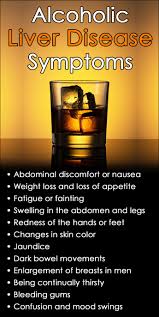
Signs That Alcohol Is Causing Inflammation in Your Body
Your body often sends clear signals. Here’s what to look for:
- Morning puffiness – Swollen eyelids, fingers, or face
- Achy joints – Especially hips, knees, or lower back
- Red, flushed skin – Or worsening rosacea, eczema, or psoriasis
- Bloating and gas – Even after a small meal
- Brain fog or “hangxiety” – Mental sluggishness plus anxiety
- Sinus congestion – Alcohol-induced rhinitis is real
- Fatigue that lasts more than a day – After just a few drinks
If you notice these after drinking, your body is telling you something. Listen to it.
Which Types of Alcohol Cause the Most Inflammation?
Not all drinks are equal. Here’s what research shows:
Highest inflammatory potential:
- Beer (especially wheat-based) – Contains gluten and other fermentable compounds
- Sweet wines and cocktails – Sugar + alcohol = double inflammatory hit
- Liquor mixed with sugary sodas – High fructose corn syrup promotes inflammation independently
Lower (but still present) inflammation:
- Red wine – Contains resveratrol, an anti-inflammatory antioxidant. However, the alcohol still triggers inflammation. Net effect varies by person.
- Clear liquors (vodka, gin) – Fewer congeners (fermentation byproducts) than dark liquors, but alcohol itself is still pro-inflammatory.
Important note: No alcohol is truly “anti-inflammatory” once you exceed one drink per day. The harms outweigh the benefits.
Real-life example: Sarah, 42, switched from 3 glasses of white wine nightly to 2 glasses of red wine on weekends only. Her joint pain dropped by 70% in 3 weeks. The change wasn’t the type of wine—it was the frequency and amount.
Does Alcohol Cause Inflammation in Specific Conditions?
Let’s look at people with existing health issues.
Arthritis (Rheumatoid, Psoriatic, Osteoarthritis)
Yes. Multiple studies show that alcohol consumption increases disease activity in rheumatoid arthritis. Even moderate drinking can trigger flares in sensitive individuals.
Heart Disease
Chronic inflammation is a root cause of atherosclerosis (hardening of arteries). Alcohol increases CRP and fibrinogen—both linked to heart attacks and strokes.
Inflammatory Bowel Disease (IBD)
For Crohn’s and ulcerative colitis patients, alcohol is a common trigger. It worsens diarrhea, cramping, and bleeding.
Skin Conditions
Rosacea, psoriasis, and acne breakouts are all linked to alcohol-induced inflammation. One study found that women who drank had a 72% higher risk of persistent facial redness.
Brain Health
Neuroinflammation from alcohol is linked to memory problems, depression, and even accelerated aging of the brain. If you’ve ever felt “hungover depression,” that’s inflammation talking.
So again, does alcohol cause inflammation? For people with these conditions, the answer is an even more emphatic yes.
How Much Alcohol Is Too Much? (Guidelines vs. Reality)
Official guidelines vary, but most health organizations define:
- Moderate drinking: Up to 1 drink per day for women, 2 for men
- Heavy drinking: 8+ drinks per week for women, 15+ for men
- Binge drinking: 4+ drinks (women) or 5+ (men) within 2 hours
But here’s the catch: even moderate daily drinking can keep low-grade inflammation active. One 2023 study in The Lancet found that no amount of alcohol is completely safe for inflammation-related diseases.
Practical tip: If you want to reduce inflammation, aim for at least 3–4 alcohol-free days per week. Your gut lining needs time to repair.
7 Practical Tips to Reduce Alcohol-Related Inflammation
You don’t have to go completely sober (unless you want to). But you can minimize the damage.
- Hydrate aggressively – Drink one glass of water per alcoholic drink. Dehydration worsens inflammation.
- Eat before and while drinking – Food slows absorption and protects the gut lining. Focus on protein and healthy fats.
- Choose lower-inflammatory drinks – Dry red wine, clear spirits with soda water and lime are better than beer or sugary cocktails.
- Take a break (2–4 weeks) – A “dry period” allows your gut to heal and inflammation markers to drop.
- Support your liver – Milk thistle, N-acetylcysteine (NAC), and B vitamins help process alcohol byproducts.
- Replenish gut bacteria – Fermented foods (kefir, kimchi, sauerkraut) or a probiotic supplement can help repair leaky gut.
- Track your symptoms – Keep a journal for 30 days. Note what you drink and how you feel the next day. Patterns will emerge.
Real-Life Case: What Happens When You Stop Drinking for 30 Days?
James, 38, drank 3–4 beers most nights. He complained of stiff knees, acid reflux, and chronic sinus congestion. He didn’t think he drank “that much.”
He quit for 30 days. Here’s what changed:
- Day 5: Less bloating
- Day 12: Knee pain dropped by half
- Day 21: Sinuses cleared for first time in years
- Day 30: Lost 8 pounds without dieting
James’s doctor measured his CRP (inflammation marker). It dropped from 4.2 mg/L (moderate risk) to 1.1 mg/L (low risk).
Does alcohol cause inflammation? For James, the evidence was undeniable—and reversible.
FAQ: Does Alcohol Cause Inflammation?
1. Does alcohol cause inflammation in joints specifically?
Yes. Alcohol triggers systemic inflammation, which directly affects synovial tissues in joints. People with arthritis often report flare-ups within 12–24 hours of drinking. Even without arthritis, you might feel morning stiffness after a night of drinking.
2. Can one night of drinking cause inflammation?
Absolutely. Research shows that a single binge session (4–5 drinks) increases endotoxins in the blood within hours. This can cause measurable joint pain, facial puffiness, and fatigue lasting up to 48 hours.
3. Is red wine less inflammatory than beer or liquor?
Red wine contains resveratrol, an antioxidant with anti-inflammatory properties. However, the alcohol itself still promotes inflammation. For most people, 1 glass of red wine is less inflammatory than 2 beers—but more inflammatory than no alcohol at all.
4. How long does alcohol-induced inflammation last?
For a healthy person having 1–2 drinks: about 24 hours. For a binge episode: 2–5 days. For chronic daily drinkers: inflammation persists until alcohol is stopped. Many people see significant drops in inflammatory markers within 2–4 weeks of abstinence.
5. Does alcohol cause inflammation even if I don’t feel hungover?
Yes. You can have silent inflammation without a classic hangover. Elevated CRP, gut permeability, and cytokine activity can occur without headache or nausea. That’s why lab tests are more revealing than how you “feel” the next morning.
6. Can supplements reduce alcohol-related inflammation?
Partially. NAC (N-acetylcysteine), vitamin C, zinc, and curcumin have shown benefits in studies. But they’re not a free pass. The best approach is reducing alcohol intake first, then supporting your body with nutrition.
Conclusion: Listen to Your Body’s Fire Alarm
So, does alcohol cause inflammation? The evidence is overwhelming. Alcohol damages your gut, floods your blood with bacterial toxins, ramps up inflammatory chemicals, and keeps your immune system on high alert. Whether you feel it as achy knees, puffy eyes, brain fog, or silent risk for heart disease, the process is real.
The good news? Inflammation is remarkably reversible. Reduce your intake, take alcohol-free days, support your gut, and watch how your body responds. Many people are shocked at how much better they feel—not just physically, but mentally and emotionally.
You don’t need to be perfect. You just need to be informed.
Key takeaways:
- Alcohol triggers inflammation via leaky gut, cytokines, and oxidative stress.
- Even moderate drinking can cause low-grade chronic inflammation.
- Beer and sugary drinks are worst; red wine is slightly better but not “safe.”
- Signs include joint pain, puffiness, bloating, fatigue, and skin flares.
- Taking 2–4 weeks off alcohol significantly lowers inflammation markers.
Now you know the truth. What you do with it is up to you.





Leave a Reply