
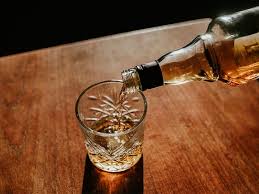
You’ve probably heard that a glass of red wine might be good for your heart. But you’ve also heard that too much alcohol can harm your liver, pack on pounds, and raise your blood pressure. So where does cholesterol fit into this story?
If you’ve recently gotten blood work back and saw your numbers creeping up, you might be asking yourself: does alcohol increase cholesterol?
It’s a fair question. Millions of adults enjoy a beer after work, wine with dinner, or cocktails on weekends. But few people understand exactly how those drinks interact with their lipid panel.
The short answer? It’s complicated. Alcohol affects different types of cholesterol in opposite ways. And how much you drink—plus your genetics, diet, and lifestyle—changes the picture entirely.
Let’s break it down in plain English. By the end of this article, you’ll know exactly how alcohol impacts your cholesterol, when it might help, when it might hurt, and what you can do to keep your heart healthy without giving up your favorite drink entirely.
What Is Cholesterol, Really? A Quick Refresher
Before we dive into alcohol’s effects, let’s make sure we’re on the same page about cholesterol itself.
Cholesterol is a waxy, fat-like substance that your body actually needs to survive. It helps build cell membranes, produce hormones like estrogen and testosterone, and synthesize vitamin D. Your liver produces about 80% of the cholesterol in your body. The other 20% comes from food.
But not all cholesterol is created equal. Doctors typically look at four key numbers:
- LDL (low-density lipoprotein): Often called “bad” cholesterol. High LDL can lead to plaque buildup in your arteries, increasing your risk of heart attack and stroke.
- HDL (high-density lipoprotein): The “good” cholesterol. HDL helps sweep excess LDL out of your bloodstream and back to your liver for disposal.
- Triglycerides: Another type of fat in your blood. High triglycerides (often linked to sugar, alcohol, and refined carbs) also raise heart disease risk.
- Total cholesterol: A combination of LDL, HDL, and a fraction of your triglycerides.
The goal isn’t just to lower total cholesterol. It’s to lower LDL and triglycerides while keeping HDL high. That balance is everything.
So, Does Alcohol Increase Cholesterol? The Direct Answer
Let’s address the headline question head-on: does alcohol increase cholesterol? The answer is both yes and no, depending on which cholesterol you’re talking about.
- Does alcohol increase LDL (bad) cholesterol? Generally, no. Moderate drinking doesn’t seem to raise LDL. Heavy drinking, however, can indirectly increase LDL by damaging the liver and promoting weight gain.
- Does alcohol increase HDL (good) cholesterol? Yes, in many cases. Moderate alcohol consumption has been linked to higher HDL levels, which is a positive effect.
- Does alcohol increase triglycerides? Absolutely. This is the biggest red flag. Alcohol, especially beer, sweet wines, and sugary cocktails, can dramatically raise triglyceride levels.
So if your concern is whether does alcohol increase cholesterol in a harmful way, the real risk lies in triglycerides and the potential for heavy drinking to throw your entire lipid profile out of balance.
The Good News: Alcohol and HDL Cholesterol
Let’s start with the positive side of the equation. Numerous studies have shown that moderate drinkers tend to have higher HDL cholesterol than non-drinkers.
How does this work? Alcohol appears to:
- Stimulate the production of apolipoprotein A1, a protein that helps form HDL particles
- Increase the activity of enzymes that transfer cholesterol to HDL
- Reduce the rate at which HDL is removed from the bloodstream
This is where the famous “French paradox” came from—the observation that French people have relatively low rates of heart disease despite a diet rich in cheese and butter. Some researchers have credited moderate red wine consumption. But the reality is more nuanced.
What Counts as “Moderate Drinking”?
The key word here is moderate. The CDC defines moderate drinking as:
- Up to 1 drink per day for women
- Up to 2 drinks per day for men
One drink equals roughly:
- 12 ounces of beer (5% ABV)
- 5 ounces of wine (12% ABV)
- 1.5 ounces of distilled spirits (40% ABV)
Beyond these amounts, the benefits start to vanish—and the risks climb quickly.
The Bad News: Alcohol and Triglycerides
Here’s where the answer to “does alcohol increase cholesterol” becomes a clear yes for many people.
Alcohol has a direct, dose-dependent effect on triglycerides. When you drink, your liver prioritizes metabolizing the alcohol over processing fats. As a result, fat oxidation slows down, and your liver produces more triglycerides and sends them into your bloodstream.
Even one heavy drinking session can temporarily spike your triglycerides. Over time, regular heavy drinking keeps those levels chronically high.
High triglycerides are dangerous for several reasons:
- They contribute to artery-hardening (atherosclerosis)
- They’re often a marker for insulin resistance and type 2 diabetes
- Very high levels (over 500 mg/dL) can cause pancreatitis
Real-Life Example: John’s Beer Habit
John is 45, runs twice a week, and eats reasonably well. But he also drinks 3–4 craft beers most nights—IPAs with 7–8% alcohol. His recent blood work showed triglycerides at 350 mg/dL (normal is under 150). His doctor told him to cut back on alcohol. John cut down to one beer on weekends only. Three months later, his triglycerides dropped to 140 mg/dL. No other changes. That’s how powerful alcohol’s effect on triglycerides can be.
Heavy Drinking Changes the Whole Picture
When you move from moderate to heavy drinking, the answer to “does alcohol increase cholesterol” shifts firmly toward “yes, and here’s how:”
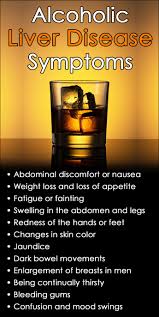
1. Liver damage. Chronic heavy drinking can lead to fatty liver disease, alcoholic hepatitis, or cirrhosis. A damaged liver cannot regulate lipid metabolism properly. LDL and triglycerides often rise while HDL production falls.
2. Weight gain. Alcohol is calorie-dense (7 calories per gram, nearly as much as fat). Those empty calories add up quickly, leading to obesity—a major risk factor for high LDL and low HDL.
3. Poor diet choices. Ever notice how a few drinks make you crave pizza, wings, or burgers? Alcohol lowers inhibitions and increases appetite for salty, fatty, high-cholesterol foods.
4. Interference with medications. If you already take statins or other cholesterol-lowering drugs, heavy drinking can interfere with their effectiveness and increase the risk of liver damage.
What About Different Types of Alcohol? Beer, Wine, or Spirits?
You might wonder if one type of alcohol is better or worse for cholesterol. Here’s what the research suggests:
| Type of Alcohol | Effect on Cholesterol |
|---|---|
| Red wine | Most studied for HDL benefits; contains polyphenols (like resveratrol) with antioxidant effects. But benefits disappear with excess. |
| White wine | Similar to red wine but with fewer polyphenols. Still raises HDL moderately. |
| Beer | Contains soluble fiber and small amounts of polyphenols from hops and barley. However, beer is often higher in carbohydrates, which can raise triglycerides. |
| Spirits (vodka, whiskey, gin) | No special benefits. Pure spirits raise HDL similarly to other alcohols but don’t offer antioxidants. Mixing with sugary sodas or juices adds triglycerides. |
The bottom line? No type of alcohol is “healthy” enough to start drinking if you don’t already. And for cholesterol specifically, the differences between types are small compared to the effect of how much you drink.
Who Should Be Most Concerned?
While everyone should be mindful of their alcohol intake, certain groups need to pay extra attention to whether does alcohol increase cholesterol for them personally:
- People with existing high cholesterol or heart disease. Even moderate drinking might not be worth the risk.
- Those with high triglycerides. Alcohol is one of the biggest dietary triggers for triglyceride spikes. Many doctors recommend complete abstinence if triglycerides exceed 200 mg/dL.
- People with diabetes or metabolic syndrome. These conditions often come with lipid abnormalities that alcohol can worsen.
- Anyone with a family history of high cholesterol or early heart attacks. Genetic factors play a huge role. Alcohol may not affect everyone the same way.
- People taking statins or other cholesterol medications. Alcohol can increase the risk of liver side effects.
Tips for Drinking Responsibly If You Have High Cholesterol
If you enjoy drinking but are concerned about your numbers, you don’t necessarily need to quit entirely. But you do need a plan.
1. Stick to the guidelines. One drink per day for women, two for men. That’s a limit, not a goal.
2. Avoid binge drinking. Having 7 drinks on Saturday night is not the same as one drink per day. Binge drinking (4+ drinks in 2 hours for women, 5+ for men) wreaks havoc on triglycerides.
3. Choose your drinks wisely. Dry red wine or light beer is better than sweet dessert wines, sugary cocktails, or high-ABV craft beers.
4. Watch your mixers. A vodka soda with lime is fine. A pina colada or Long Island iced tea is a disaster for triglycerides.
5. Don’t drink on an empty stomach. Food—especially fiber and protein—slows alcohol absorption and reduces the triglyceride spike.
6. Take alcohol-free days. Your liver needs time to recover. Most experts recommend at least 2–3 alcohol-free days per week.
7. Test your blood regularly. Get a lipid panel at least once a year. If your numbers worsen, consider a 30-day break from alcohol and retest.
When to Consider Quitting Completely
For some people, the best answer to “does alcohol increase cholesterol” is to stop asking and just stop drinking—at least temporarily.
Consider quitting if:
- Your triglycerides remain high even after cutting back
- You have liver disease or risk factors for it
- You struggle to limit yourself to one or two drinks
- You have a personal history of pancreatitis
- Your doctor specifically advises against drinking (especially if you take statins or blood thinners)
The good news? Many people see improved cholesterol numbers within 4–8 weeks of stopping alcohol. And for triglycerides, improvements can happen in just a few days.
Frequently Asked Questions (FAQ)
1. Does alcohol increase cholesterol immediately after drinking?
Not exactly. A single drink won’t show up as higher LDL or HDL on a blood test the next day. However, alcohol can raise triglyceride levels within hours of heavy drinking. For cholesterol changes to show up on a standard lipid panel, you usually need weeks or months of a consistent drinking pattern.
2. Does red wine increase cholesterol differently than beer?
Red wine is often associated with a slight HDL boost due to its polyphenol content. But the difference is small. Beer may raise triglycerides more because of its carbohydrate content. For pure cholesterol effects, neither is clearly superior. The quantity you drink matters far more than the type.
3. If I stop drinking, will my cholesterol go down?
For many people, yes—especially triglycerides. Within 30–90 days of stopping alcohol, you may see:
- Lower triglycerides (sometimes dramatically)
- Stable or slightly lower LDL
- A possible small decrease in HDL (since alcohol had been raising it). That’s not necessarily bad if your HDL was already healthy.
Every person responds differently. The only way to know for sure is to stop for a few weeks and retest.
4. Can I drink alcohol if I take statins for high cholesterol?
It depends. Moderate drinking (1 drink/day for women, 2 for men) is generally considered safe for people on statins, but you should absolutely ask your doctor. Heavy drinking combined with statins increases the risk of liver damage. Some statins (like atorvastatin and rosuvastatin) have fewer interactions than others. Never take this as medical advice—talk to your prescribing physician.
Strong Conclusion: So, Does Alcohol Increase Cholesterol? Here’s the Bottom Line
Let’s circle back to the question that brought you here: does alcohol increase cholesterol?
Here’s the honest, evidence-based answer:
- For HDL (good cholesterol): Moderate drinking often increases it, which is beneficial.
- For LDL (bad cholesterol): Moderate drinking generally does not increase it, but heavy drinking can indirectly raise it.
- For triglycerides: Yes, alcohol significantly increases triglycerides, even at moderate levels for some people.
So if you have high triglycerides—or a family history of heart disease, diabetes, or obesity—alcohol may be doing more harm than good. On the other hand, if you’re a healthy person drinking moderately, your cholesterol numbers might actually look better than a non-drinker’s, at least on the HDL front.
But here’s the crucial takeaway: No doctor will ever prescribe drinking alcohol to improve your cholesterol. There are far safer, more reliable ways to raise HDL (exercise, healthy fats, quitting smoking) and lower LDL and triglycerides (fiber, plant sterols, medications if needed).
If you choose to drink, do so mindfully. Know your numbers. Test your blood yearly. And never assume that a glass of wine is “medicine” for your heart.
Your best heart health strategy? A balanced diet, regular exercise, stress management, and smart decisions about alcohol—whatever those look like for your unique body and health history.



Leave a Reply