
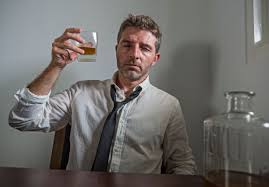
You’re two sips into a glass of wine at a dinner party, and suddenly your cheeks feel warm. Within minutes, your face looks like you’ve just finished a marathon. If this sounds familiar, you’ve probably asked yourself more than once: does alcohol make your face red?
The short answer is yes—for many people. But the more important question is why.
For some, a red face after drinking is a harmless cosmetic annoyance. For others, it’s a warning sign from their body. In this article, we’ll explore the science behind alcohol-induced facial flushing, the difference between a simple flush and a serious health risk, and what you can do to prevent or minimize the redness.
By the end, you’ll know exactly what your face might be trying to tell you the next time you raise a glass.
What Actually Happens When Alcohol Makes Your Face Red?
Let’s start with the basics. When alcohol makes your face red, you’re experiencing something called “alcohol flush reaction.” This isn’t just your imagination or a random skin quirk. It’s a real physiological response that happens when your body breaks down alcohol.
Here’s the step-by-step process:
- You drink an alcoholic beverage (beer, wine, liquor, etc.).
- Your liver starts working to metabolize the alcohol.
- An enzyme called alcohol dehydrogenase (ADH) converts alcohol into acetaldehyde—a toxic compound.
- Another enzyme, aldehyde dehydrogenase 2 (ALDH2), normally breaks acetaldehyde down into harmless acetate.
- If your ALDH2 enzyme is slow or faulty, acetaldehyde builds up in your body.
- High levels of acetaldehyde cause blood vessels in your face (and sometimes neck, chest, and shoulders) to dilate.
- That dilation leads to visible redness, warmth, and sometimes a throbbing sensation.
In other words, the red face isn’t caused by the alcohol itself—it’s caused by a toxic byproduct that your body can’t clear out fast enough.
The Genetic Factor: Why Some People Always Flush
You may have noticed that not everyone turns red after drinking. That’s because the answer to does alcohol make your face red depends heavily on your DNA.
The ALDH2 Deficiency
Approximately 35–40% of people of East Asian descent (Chinese, Japanese, Korean, Vietnamese) have a genetic variant that makes their ALDH2 enzyme less effective. This is why the condition is often called “Asian Flush” or “Asian Glow.” However, the gene mutation isn’t exclusive to Asians—it can appear in people of any ethnicity, though less frequently.
People with one copy of the mutated gene have some ALDH2 activity but not enough. Those with two copies produce almost no functional enzyme. The result? Acetaldehyde levels spike rapidly after even a small amount of alcohol.
Other Genetic and Biological Factors
Even without the ALDH2 mutation, other factors can cause facial redness:
- Rosacea: This chronic skin condition makes blood vessels more reactive. Alcohol is a common trigger.
- Histamine intolerance: Alcohol (especially red wine and beer) can trigger histamine release, leading to redness and itching.
- Sulfites and other additives: Some people react to preservatives in wine and spirits.
- Medications: Certain drugs (like metronidazole or some cholesterol medications) interfere with alcohol metabolism.
So if you’ve been wondering does alcohol make your face red for you specifically, the answer might be a combination of genetics, skin condition, or medication interactions.
Is a Red Face from Alcohol Dangerous?
Here’s where things get serious. Many people dismiss the flush as annoying but harmless. However, research tells a different story.
Short-Term Risks
When acetaldehyde builds up, you might experience more than just redness. Common short-term symptoms include:
- Nausea or headache
- Rapid heartbeat (tachycardia)
- Dizziness or lightheadedness
- Warmth throughout the body
- Mild shortness of breath
These symptoms are uncomfortable but usually temporary.
Long-Term Health Risks
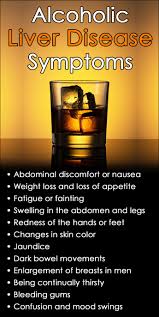
The real concern is what repeated acetaldehyde exposure does over time. Acetaldehyde is classified as a Group 1 carcinogen—the same category as asbestos and tobacco. Studies have shown that people with ALDH2 deficiency who drink regularly have a significantly higher risk of:
- Esophageal cancer (squamous cell carcinoma)
- Liver disease
- Stomach cancer
- Colorectal cancer
One landmark study found that people with the flush reaction who drank just two beers a day had a 6 to 10 times higher risk of esophageal cancer compared to non-flushers who drank the same amount.
That’s why the question does alcohol make your face red isn’t just about vanity. It’s a potential health marker.
Alcohol Flush vs. Allergy vs. Intolerance: What’s the Difference?
Many people confuse these three terms. Let’s break them down clearly.
| Condition | Cause | Key Symptoms | Onset |
|---|---|---|---|
| Alcohol flush reaction | Acetaldehyde buildup (genetic) | Red face, warmth, nausea, rapid heart rate | Within minutes |
| Alcohol allergy | Immune system reaction to ingredients (grapes, wheat, yeast, etc.) | Hives, itching, swelling, difficulty breathing | Rapid (minutes to hours) |
| Alcohol intolerance | Digestive system can’t break down alcohol properly | Stuffy nose, red face, headache, upset stomach | Within 20–30 minutes |
A true alcohol allergy is rare and can be life-threatening (anaphylaxis). Intolerance and flush reaction are more common, and the flush is a specific type of intolerance.
If you ever experience swelling of the lips, tongue, or throat, or trouble breathing after drinking, seek emergency medical attention immediately.
Can You Prevent or Reduce Facial Redness from Alcohol?
If alcohol makes your face red and you want to avoid the flush, you have several options—some safe, others risky.
What Works (Safe Strategies)
- Drink less or slower – Smaller amounts give your body more time to clear acetaldehyde.
- Choose lower-alcohol beverages – Light beer or wine spritzers may cause less flushing than hard liquor.
- Eat before and while drinking – Food slows alcohol absorption, reducing the peak acetaldehyde level.
- Stay hydrated – Alternate alcoholic drinks with water. Dehydration worsens flushing.
- Avoid known triggers – Red wine and dark liquors contain more congeners and histamines, which can worsen redness.
- Try topical anti-redness creams – Over-the-counter products with caffeine or green tea extract may temporarily constrict blood vessels (but this doesn’t reduce acetaldehyde).
What Doesn’t Work (And Why You Should Avoid It)
You may have heard of “Asian flush pills” or antihistamines like Pepcid AC (famotidine) taken before drinking. While some people use these to hide facial redness, here’s the problem:
- These drugs block the symptoms (redness, rapid heartbeat) but do not lower acetaldehyde levels.
- By masking the warning signs, they may encourage people to drink more than their body can safely process.
- This increases long-term cancer risk.
In fact, studies show that people who use H2 blockers (like famotidine) to prevent flushing actually end up with higher acetaldehyde exposure because they drink more without feeling the discomfort.
Bottom line: If alcohol makes your face red, listen to your body. That flush is a protective signal, not just a cosmetic issue.
Real-Life Scenarios: When Should You Worry?
Let’s make this practical with a few examples.
Scenario 1 – Anna, age 28: She drinks one glass of white wine at a friend’s birthday. Within 10 minutes, her cheeks are pink and warm. No nausea, no rapid heartbeat. The redness fades after an hour.
Likely cause: Mild histamine reaction or natural blood vessel dilation. Low risk.
Scenario 2 – David, age 45, of Korean descent: After half a beer, his entire face, neck, and chest turn bright red. He feels his heart racing and gets a mild headache. His father had esophageal cancer.
Likely cause: ALDH2 deficiency. David should seriously limit or avoid alcohol entirely.
Scenario 3 – Maria, age 34: She drinks two glasses of red wine and her face flushes, but she also develops hives on her arms and feels slightly wheezy.
Likely cause: Possible alcohol allergy or sulfite sensitivity. She needs to see an allergist.
If you’re in David or Maria’s situation, don’t just accept the redness as normal. Talk to your doctor about alcohol intolerance testing.
Lifestyle Tips for Managing a Red Face from Alcohol
Even if you don’t want to give up drinking entirely, you can minimize the flush and protect your health.
Before You Drink
- Eat a balanced meal with protein and healthy fats.
- Take a probiotic (some evidence suggests gut health influences histamine reactions).
- Avoid hot showers or exercise right before drinking—your blood vessels are already dilated.
While You Drink
- Sip slowly. Don’t chug.
- Stick to clear spirits (vodka, gin) mixed with non-citrus sodas or water.
- Avoid carbonated mixers—they accelerate alcohol absorption.
- Keep a cold compress handy to cool your face (helps with comfort, not acetaldehyde).
After You Drink
- Drink water with electrolytes.
- Apply a cool, damp cloth to your face.
- Use a gentle, fragrance-free moisturizer to soothe irritated skin.
Remember: These tips reduce discomfort, not the underlying acetaldehyde buildup. The only guaranteed way to prevent the flush is to avoid alcohol.
Frequently Asked Questions (FAQ)
1. Does alcohol make your face red permanently?
No, alcohol-induced facial redness is temporary. The flush usually fades within 30 minutes to a few hours after you stop drinking. However, if you have rosacea, repeated alcohol use can lead to persistent redness and visible blood vessels over time.
2. Can you develop alcohol flush later in life?
Yes. While the ALDH2 genetic mutation is present from birth, some people don’t notice flushing until their 20s or 30s. Additionally, certain medications, hormonal changes, or the development of rosacea can cause new-onset flushing later in life.
3. Does alcohol make your face red if you have high blood pressure?
Not directly. But high blood pressure damages blood vessels over time, potentially making them more reactive to alcohol. Also, the rapid heartbeat caused by acetaldehyde can temporarily raise blood pressure, which may worsen redness.
4. Is there a cure for alcohol flush reaction?
There is no cure because it’s genetic. However, some researchers are exploring ALDH2 enzyme activators. As of now, the most effective “treatment” is reducing or eliminating alcohol. Do not rely on antihistamines or H2 blockers—they mask symptoms without reducing cancer risk.
5. Can exercise make alcohol flush worse?
Yes. Exercise increases body temperature and dilates blood vessels. If you drink immediately after a workout, your face may flush more intensely. Wait at least an hour after exercise before drinking.
6. Does the type of alcohol matter?
Absolutely. Red wine and dark spirits (whiskey, brandy, bourbon) contain more congeners—chemicals that can worsen flushing. Vodka, gin, and white wine typically cause less redness. However, if you have ALDH2 deficiency, even a small amount of any alcohol will trigger some flush.
Strong Conclusion: Listen to Your Face
So, does alcohol make your face red? For millions of people, the answer is a clear yes. But more importantly, that redness is a message from your body. In some cases, it’s a harmless cosmetic response. In others—especially if you experience rapid heartbeat, nausea, or have East Asian ancestry—it’s a genetic signal that your body struggles to process alcohol safely.
Here’s what you should take away:
- If you flush mildly and feel fine, you may just have sensitive blood vessels or mild rosacea. Moderation and hydration can help.
- If you flush brightly with other symptoms (racing heart, headache, nausea), you likely have ALDH2 deficiency. Your cancer risk from regular drinking is higher than average.
- Do not use drugs to hide the flush. They don’t reduce acetaldehyde, and they may encourage dangerous drinking habits.
- The healthiest choice is to limit or avoid alcohol. If you do drink, stick to low-alcohol options, eat food, and go slowly.
Your face isn’t just turning red—it’s talking to you. Next time you take a sip and feel that familiar warmth, you’ll know exactly what’s happening inside your body and whether you should be concerned.
Stay curious, stay informed, and drink wisely—or not at all. Your future self will thank you.



Leave a Reply