
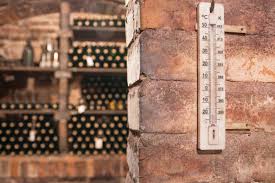
You’ve just brought home a beautiful bottle of Barolo or a crisp Sauvignon Blanc. You’re saving it for a special occasion—maybe next month, maybe next year. But you pause. Is your kitchen counter okay? What about the fridge? Or that dark corner in the basement?
Here’s the truth: nothing ruins good wine faster than bad storage. Not even a bad cork. Heat, cold, and big temperature swings can cook your wine, freeze it, or slowly kill its flavors.
So, what temperature should wine be stored at? The short answer is 55°F (13°C). But let’s dig deeper. By the end of this guide, you’ll know exactly how to protect every bottle in your collection—from a $15 everyday drink to that special vintage you’re aging for a decade.
Why Temperature Matters More Than You Think
Wine is alive. Seriously. Inside that bottle, chemical reactions are constantly happening. Tannins are softening. Acids are balancing. Flavors are evolving. Temperature controls the speed of those reactions.
- Too warm (above 70°F / 21°C) : Your wine ages too fast. Think of it like slow-cooking a stew on high heat—everything gets mushy and flat. Fruits turn into jammy, pruney flavors. The wine loses freshness.
- Too cold (below 45°F / 7°C) : Aging almost stops. If you store red wine in a regular fridge for months, the tannins never soften, and the aromas stay locked up. Plus, the cork can dry out and shrink, letting oxygen in.
- Big swings (daily ups and downs) : This is the silent killer. When temperature changes, the liquid expands and contracts. It pushes the cork in and out, breaking the seal. Oxygen seeps in. Oxidation happens. Your wine turns brown and tastes like sherry (not in a good way).
So when people ask what temperature should wine be stored at, the real answer is: a stable temperature, not just a specific number.
The Golden Number: 55°F (13°C)
If you only remember one thing, remember 55°F. Why 55?
For centuries, wine collectors noticed that natural underground caves—the original wine cellars—stayed right around 53–57°F year-round. That range slows down aging perfectly. It lets the wine develop complexity without falling apart.
| Wine Type | Ideal Storage Temp | Notes |
|---|---|---|
| Red wines | 50–60°F (10–16°C) | Full-bodied reds (Cabernet, Syrah) like the higher end; light reds (Pinot Noir) like the cooler end. |
| White wines | 45–50°F (7–10°C) | Cooler than reds, but not freezing. This preserves freshness and acidity. |
| Sparkling wines | 45–50°F (7–10°C) | Same as whites. Cold enough to keep bubbles lively. |
| Fortified wines | 55–60°F (13–16°C) | Port, Sherry, Madeira are tougher. But still, avoid heat. |
That 55°F sweet spot works for everything. If you have a mixed collection, set your storage to 55°F, and all your wines will be happy.
Real-life tip: I once stored a case of Burgundy in a closet that hit 75°F every afternoon for three months. When I opened a bottle, it tasted like stewed plums and soy sauce—completely dead. Don’t be me.
Short-Term vs. Long-Term Storage: Two Different Answers
Here’s where most people get confused. The answer to what temperature should wine be stored at changes depending on when you plan to drink it.
Short-Term Storage (1–4 weeks)
Are you drinking the wine next week? Or within a month? Then relax. You don’t need a perfect cellar.
- Red wine: Store at normal room temperature (65–70°F) for up to a month. Avoid direct sunlight and kitchen heat (ovens, dishwashers).
- White & sparkling: Store in a regular refrigerator. The fridge is 35–40°F, which is too cold for long-term aging, but perfect for a few weeks.
Just keep two things in mind:
- Don’t leave white wine in the fridge for six months. The cork dries out.
- Don’t put red wine in the fridge for long periods unless you live in a hot climate and have no other option.
Long-Term Aging (6 months to 10+ years)
This is where precision matters. If you’re cellaring wines to improve them, you need consistency.
- Target: 53–57°F (ideally 55°F)
- Humidity: 50–80% (keeps corks from drying)
- Darkness: UV light damages wine, even through dark green bottles.
- No vibration: Constant shaking (like from a fridge compressor) disrupts sediment and speeds aging.
So if you’re building a home cellar, buy a thermometer with a memory feature. Check the highs and lows over a week. If your space stays between 50–60°F without big swings, you’re golden.
Common Storage Spots: Good, Bad, and Ugly
Let’s walk through where people actually store wine—and whether it works.
❌ The Kitchen (Worst choice)
Kitchens look great for wine racks, but they’re temperature nightmares. Ovens, dishwashers, coffee makers, and even the fridge’s exhaust all radiate heat. Your kitchen can swing 20°F daily.
❌ The Garage (Terrible choice)
Unless you live in a perfectly temperate climate (you don’t), garages freeze in winter and bake in summer. One hot July afternoon can ruin a case.
✅ A Basement (Good, if stable)
Basements are naturally cooler. But check for:
- Furnace or water heater nearby (adds heat)
- Drafty windows (temperature swings)
- Moisture (mold ruins labels and corks)
✅ A Dedicated Wine Fridge (Best for most people)
Wine fridges cost $150–$1,000. They hold a steady temperature, block UV light, and maintain humidity. For anyone serious about answering what temperature should wine be stored at, a wine fridge is the easiest solution.
✅ A Dark Closet on an Interior Wall (Surprisingly good)
If your home has a closet away from exterior walls, heaters, and windows, check the temperature. Many stay around 60–65°F. That’s fine for 6–12 months. Just don’t pack clothes so tightly that air can’t circulate.
What About Serving Temperature? (Don’t Confuse These)
People often mix up storage temperature with serving temperature. They are not the same.
- Storage temperature = long-term preservation (55°F for most wines)
- Serving temperature = short-term enjoyment (different for each wine)
Here’s a quick serving guide:
| Wine Style | Serving Temp | How to Get There |
|---|---|---|
| Full-bodied red (Cabernet, Malbec) | 60–65°F | Out of cellar for 30 min, or fridge for 15 min |
| Light red (Pinot Noir, Beaujolais) | 55–60°F | Straight from cool cellar |
| White & Rosé | 45–50°F | Fridge for 2 hours, then out for 10 min |
| Sparkling | 40–45°F | Fridge for 3 hours, or ice bucket 20 min |
If you store at 55°F, your light reds are ready to serve immediately. Your full-bodied reds need a little warmth to open up. Your whites need a quick chill.
Pro tip: Don’t store white wine in a regular fridge for years, but do chill it there before serving. And never store red wine in a kitchen fridge long-term—the constant vibration and low humidity damage corks.
5 Common Wine Storage Mistakes (And How to Fix Them)
- Storing wine on top of the refrigerator
Why it’s bad: The fridge motor vents heat upward. That spot is often 10–15°F warmer than room temp.
Fix: Move bottles to a lower cabinet or a wine fridge. - Leaving wine in a hot car “just for the afternoon”
Why it’s bad: A car in summer hits 100°F+ in 30 minutes. That’s “cooked” wine territory.
Fix: Bring wine inside immediately. Use a cooler bag if you’re transporting. - Storing bottles upright for months
Why it’s bad: Corks dry out, shrink, and let in oxygen.
Fix: Lay bottles sideways for long-term storage. Keep the wine touching the cork. - Putting all wines in a regular fridge
Why it’s bad: Too cold, too dry, and too much vibration.
Fix: Use a regular fridge only for short-term whites. Get a dedicated wine fridge for aging. - Ignoring seasonal changes
Why it’s bad: That perfect closet in winter might be 80°F in summer.
Fix: Check temperatures in every season before committing to a storage spot.
Real-Life Example: How I Learned the Hard Way
A few years ago, I bought six bottles of a beautiful Oregon Pinot Noir. No space in my wine fridge, so I stored them in my bedroom closet. Winter was fine—65°F. Then summer came. My apartment hit 78°F during the day. At night, it dropped to 68°F. That 10°F daily swing went on for three months.
When I opened the first bottle? Flat. Lifeless. It tasted like stewed fruit and wet cardboard. The second bottle was the same. I gave away the rest to a friend who “didn’t mind.”
That experience taught me exactly what temperature should wine be stored at—and more importantly, that stability matters just as much as the number. Now I never store wine anywhere that changes more than 5°F daily.
Frequently Asked Questions (FAQ)
1. Can I store wine at 70°F if I drink it within a month?
Yes, absolutely. Seventy degrees is not ideal for aging, but for short-term storage (under 4–6 weeks), it’s fine. Just keep it away from sunlight and heat sources. The danger starts when 70°F+ continues for months.
2. Is 60°F too warm for a wine fridge?
No. 60°F is acceptable, especially for red wines. But it’s on the warm side for long-term aging (over a year). If your fridge sits at 60°F consistently, your wines will age slightly faster. For most drinkers who finish bottles within 12 months, 60°F is perfectly fine.
3. What temperature should wine be stored at if I don’t have a cellar?
Shoot for the coolest, darkest, most stable spot in your home. A basement corner, a ground-floor closet, or even a foam-insulated box in a cool room. Use a digital thermometer. Aim for under 65°F and as little daily change as possible. If you regularly spend over $500 a year on wine, buy a small wine fridge—it pays for itself in saved bottles.
4. Can freezing temperatures ruin wine?
Yes. If wine freezes, the liquid expands and can push the cork out. When it thaws, you’ll have oxidized, flat-tasting wine. If the bottle doesn’t crack, you can still use frozen wine for cooking, but don’t expect it to taste good on its own. Never store wine below 25°F (-4°C).
5. Does humidity really matter for screw-cap wines?
Screw caps (Stelvin closures) don’t need humidity. They’re airtight and don’t dry out. So if your entire collection is screw-cap, ignore humidity concerns. But for natural corks, 50–80% humidity prevents shrinkage.
Final Thoughts: Keep It Simple and Consistent
You don’t need a $10,000 underground cave to enjoy great wine. You just need to understand one core principle: cool, dark, and steady.
So next time someone asks you what temperature should wine be stored at, you’ll tell them:
- 55°F (13°C) for long-term aging – the gold standard.
- Under 65°F for short-term storage – fine for a few months.
- Never above 70°F for more than a few weeks – heat kills wine.
- And stability over everything – daily swings are worse than a steady 62°F.
Check your storage spot today. Buy a $10 thermometer. Move those bottles out of the kitchen. Your future self—cracking open a perfectly aged bottle—will thank you.
Now go enjoy a glass. You’ve earned it.






Leave a Reply