
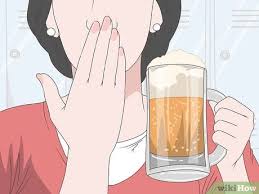
You had a great night out. A few cocktails, maybe some beer or wine. Then morning comes—and so does the dreaded “runner’s revenge.” You know the feeling: cramping, urgency, and loose stools that won’t quit.
If you’re reading this, you probably want to know how to stop diarrhea after drinking alcohol without running to the pharmacy every time you socialize. Good news: you’re in the right place.
In this guide, I’ll walk you through exactly why alcohol wrecks your gut, what you can do to stop the runs fast, and how to prevent it from happening again. No medical jargon. Just real, practical advice you can use today.
Let’s dive in.
Why Does Alcohol Cause Diarrhea? (The Simple Science)
Before we fix the problem, let’s understand it. Alcohol affects your digestive system in four main ways:
- It speeds up gut movement – Alcohol irritates the lining of your stomach and intestines, making them contract faster. Food and liquid rush through before your body can absorb water properly. Result? Loose, watery stools.
- It reduces water absorption – Your large intestine normally pulls water back into your body. Alcohol temporarily blocks this process. More water in your colon = diarrhea.
- It kills good gut bacteria – Your microbiome (trillions of friendly bacteria) helps digest food. Alcohol acts like a disinfectant, wiping out beneficial microbes and allowing bad bacteria to thrive.
- It triggers inflammation – For some people, alcohol causes a low-grade immune response in the gut lining. This leads to leakage, cramping, and urgency.
Real-life example:
Think of your digestive tract like a conveyor belt. Alcohol is like someone hitting the “fast-forward” button. Food flies through, nothing gets absorbed properly, and you’re left with an urgent trip to the bathroom.
How to Stop Diarrhea After Drinking Alcohol (Step-by-Step)
Now for what you came for. Here’s a clear, actionable plan to stop alcohol-induced diarrhea quickly.
1. Rehydrate – But Not With Just Water
Diarrhea flushes out fluids and electrolytes (sodium, potassium, magnesium). Drinking plain water helps, but it won’t replace what you lost.
What to drink instead:
- Oral rehydration solution (ORS) – You can buy packets or make your own: 1 liter water + 6 teaspoons sugar + half teaspoon salt
- Coconut water (natural electrolytes)
- Broth or bouillon (sodium and flavor)
- Diluted fruit juice (1 part juice to 3 parts water)
What to avoid:
More alcohol, coffee, energy drinks, or sugary sodas. These will worsen diarrhea by irritating your gut further.
Tip: Sip slowly. Don’t chug. A sensitive stomach after drinking can reject large amounts of liquid all at once.
2. Eat the BRAT Diet (Yes, It Still Works)
The BRAT diet has been used for decades to treat diarrhea in both adults and children. It stands for:
- Bananas
- Rice (white rice, not brown)
- Applesauce (unsweetened)
- Toast (plain white bread)
These foods are low in fiber, bland, and easy to digest. They also help firm up stools.
Why it works:
Bananas replace potassium lost during diarrhea. Rice and toast absorb excess water in your intestines. Applesauce contains pectin, a soluble fiber that adds bulk to stool.
Sample post-drinking meal plan:
- Breakfast: 1 banana + 2 slices of dry toast
- Lunch: Small bowl of plain white rice
- Dinner: Applesauce + more toast
- Snack: Plain crackers or pretzels
3. Use Probiotics (Good Bacteria to the Rescue)
Remember how alcohol kills your gut flora? Probiotics help rebuild it. Several strains have been shown to reduce diarrhea duration and severity.
Best probiotic strains for alcohol-induced diarrhea:
- Lactobacillus rhamnosus GG (found in Culturelle)
- Saccharomyces boulardii (a beneficial yeast – great for diarrhea)
- Bifidobacterium infantis
How to take them:
- If you have a probiotic supplement at home, take it now.
- If not, eat probiotic-rich foods: plain yogurt (no added sugar), kefir, sauerkraut, kimchi, or miso soup.
Note: Start with a small amount. Some people with severe gut irritation may feel worse if they introduce too many probiotics at once. Half a cup of yogurt is a safe start.
4. Try Over-the-Counter Options (Use Sparingly)
Sometimes natural remedies aren’t enough. If you’re stuck at work, traveling, or can’t get to a bathroom, these medications can help.
Loperamide (Imodium) – Slows down gut movement and increases water absorption. Works within 1–2 hours.
Bismuth subsalicylate (Pepto-Bismol, Kaopectate) – Coats the stomach lining, reduces inflammation, and kills some diarrhea-causing bacteria.
Important warnings:
- Do not take loperamide if you have a fever or bloody stool (this could indicate a more serious infection).
- Do not exceed the recommended dose.
- These are for short-term relief only. If diarrhea lasts more than 48 hours, see a doctor.
5. Apply a Warm Compress to Your Belly
This isn’t a cure, but it helps with the cramping that often accompanies alcohol-induced diarrhea. Heat relaxes the smooth muscles of your intestines.
How to do it:
- Soak a towel in warm (not hot) water and wring it out.
- Place it over your lower abdomen for 15–20 minutes.
- Repeat as needed.
Alternative: A heating pad on low setting or a hot water bottle wrapped in a thin cloth.
6. Avoid These Foods Until You’re Better
While you’re actively trying to stop diarrhea, certain foods will make it worse. Stay away from:
- Dairy (except yogurt with live cultures) – Lactose is hard to digest during diarrhea.
- Fatty or fried foods – Burgers, pizza, fries. Fat stimulates bowel contractions.
- Spicy foods – Capsaicin (in chili peppers) speeds up gut transit.
- Artificial sweeteners – Sorbitol, xylitol, and mannitol (found in sugar-free gum, candies, protein bars) are natural laxatives.
- High-fiber vegetables – Broccoli, cauliflower, cabbage, beans. These ferment in your gut and cause gas and cramping.
- Caffeine – Coffee, black tea, and energy drinks stimulate bowel movements.
7. Rest and Let Your Gut Heal
Your intestines are inflamed. Pushing through your day without rest slows recovery. Sleep is when your body repairs tissues, including your gut lining.
Aim for:
- 7–9 hours of sleep the night after drinking
- A quiet, low-stress environment
- Lying down with your knees slightly bent (reduces abdominal pressure)
*Real-life example: Mark, 34, used to suffer from “beer runs” every Saturday morning. He tried everything—more water, less beer—but nothing worked until he started resting for 2–3 hours after waking up before eating anything solid. That simple change cut his diarrhea time from 6 hours to 90 minutes.*
How to Prevent Diarrhea Before You Start Drinking
The best way to stop diarrhea after drinking is to prevent it in the first place. Here’s a pre-game plan:
Eat a Gut-Friendly Meal Before Alcohol
Never drink on an empty stomach. Food slows alcohol absorption and buffers its effect on your intestinal lining.
Best pre-drinking foods:
- Oatmeal with banana
- White rice with boiled chicken
- Scrambled eggs on toast
- Plain pasta with a little olive oil
Avoid before drinking:
Spicy, greasy, or very high-fiber meals (these already stress your gut).
Choose Your Alcohol Wisely
Not all alcoholic drinks affect your gut equally.
Lower-risk choices (less likely to cause diarrhea):
- Vodka or gin with water or soda water
- Dry white wine
- Light beer
Higher-risk choices (more likely to trigger diarrhea):
- Sugary cocktails (margaritas, piña coladas, sweet mixers)
- Dark liquors (whiskey, bourbon, rum) – contain more congeners (gut irritants)
- Red wine (high in tannins, which can upset some people)
- Any drink with caffeine (Jägerbombs, espresso martinis)
Stay Hydrated Between Drinks
Alternate each alcoholic drink with a full glass of water. This does two things:
- Reduces total alcohol concentration in your gut
- Prevents dehydration, which worsens diarrhea
Easy rule: One drink, one water. One drink, one water. Stick to it.
Take a Probiotic Before Bed (Prevention)
If you know you’ll be drinking, take a probiotic supplement 2–3 hours before your first drink. Saccharomyces boulardii has the strongest evidence for preventing alcohol-related digestive upset.
When to See a Doctor (Don’t Ignore These Signs)
Most alcohol-induced diarrhea resolves within 12–24 hours. But sometimes it’s a sign of something more serious.
See a doctor if you experience:
- Diarrhea lasting more than 48 hours after stopping alcohol
- Blood in your stool (red or black/tarry)
- Fever over 101°F (38.3°C)
- Severe abdominal pain (not just cramping)
- Signs of dehydration: dry mouth, no urination for 8+ hours, dizziness when standing
- Unexplained weight loss
- Diarrhea that happens every single time you drink (even small amounts)
Possible underlying conditions:
- Alcohol intolerance (your body lacks enzymes to break down alcohol)
- IBS (irritable bowel syndrome) – alcohol is a common trigger
- Celiac disease (if you drink beer, which contains gluten)
- Chronic pancreatitis
Note: If you have diarrhea every time you drink even one glass of wine or beer, you may have an alcohol intolerance. A simple blood test can confirm this.
Long-Term Gut Healing After Alcohol Use
If you drink regularly (even moderately) and experience frequent diarrhea, your gut lining may need extended healing.
Week 1-2: Elimination Phase
- No alcohol at all
- Follow BRAT diet for first 3 days, then slowly add bland foods
- Take a daily probiotic (50–100 billion CFU)
- Drink 2–3 liters of water with electrolytes
Week 3-4: Rebuilding Phase
- Add fermented foods (yogurt, kefir, kimchi) daily
- Eat prebiotic fibers (garlic, onions, asparagus, oats) – these feed good bacteria
- Reduce processed foods and sugar
- Consider L-glutamine supplements (an amino acid that repairs gut lining – 5 grams per day)
After 1 Month: Testing Phase
- Try a small amount of low-risk alcohol (e.g., one glass of dry wine with food)
- Monitor your gut response for 24 hours
- If diarrhea returns, your gut may need more healing time
Frequently Asked Questions (FAQ)
1. How long does diarrhea after drinking alcohol usually last?
For most people, it lasts between 6 and 24 hours. If you had a large amount of alcohol or sugary mixers, it might last up to 48 hours. Anything beyond 48 hours warrants a doctor’s visit.
2. Can I take Imodium after drinking to stop diarrhea?
Yes, loperamide (Imodium) is safe to take after drinking if you don’t have a fever or bloody stool. However, it’s best to try rehydration and the BRAT diet first. Imodium stops symptoms but doesn’t address the underlying irritation.
3. Why do I get diarrhea after only one or two drinks?
This could be a sign of alcohol intolerance, IBS, or a histamine reaction (common with red wine and beer). Some people lack the enzyme aldehyde dehydrogenase, which breaks down alcohol. The result? Rapid gut irritation even with small amounts.
4. Is diarrhea after drinking a sign of liver damage?
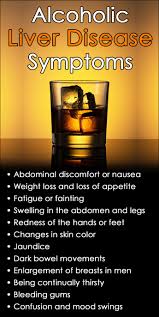
Not usually. Occasional diarrhea after drinking is almost always due to gut irritation, not liver problems. However, chronic diarrhea combined with yellow skin/eyes, dark urine, or swelling in the legs could indicate liver disease. See a doctor if you have these symptoms.
5. Does drinking water while consuming alcohol prevent diarrhea?
It helps significantly but doesn’t guarantee prevention. Water dilutes alcohol’s concentration in your gut and prevents dehydration, but it won’t stop alcohol from speeding up gut contractions or killing good bacteria. The best prevention is eating a meal beforehand and choosing low-sugar drinks.
6. Can beer cause worse diarrhea than wine or liquor?
For some people, yes. Beer contains gluten (unless labeled gluten-free) and fermentable carbohydrates that can trigger diarrhea in sensitive individuals. Wine contains tannins and histamines. Liquor is often more concentrated but can be less irritating if mixed with water instead of sugary sodas. It varies by person.
7. How to Stop Diarrhea After Drinking alcohol?
Stop drinking alcohol, sip water or oral rehydration solution, eat bland foods like banana or rice, and avoid caffeine, dairy, and fatty foods until you recover
Conclusion: You Can Beat Alcohol-Induced Diarrhea
Let’s recap what you’ve learned about how to stop diarrhea after drinking alcohol:
- Act fast: Rehydrate with ORS or broth, not just water.
- Eat bland: BRAT diet (bananas, rice, applesauce, toast) firms up stools.
- Rebuild gut bacteria: Probiotics and yogurt speed recovery.
- Use meds sparingly: Imodium or Pepto-Bismol for emergencies only.
- Prevent next time: Eat before drinking, choose low-sugar alcohols, and alternate with water.
The vast majority of alcohol-related diarrhea is temporary and harmless. But your body is sending you a message: “Hey, slow down.” Listen to it. Your gut—and your future self—will thank you.
Now go drink some water, eat a banana, and rest. You’ve got this.

Leave a Reply