
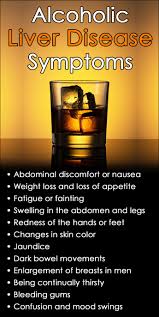
Your liver is a silent warrior. It filters toxins, processes nutrients, and helps you digest food—all without complaining. But when you regularly drink alcohol, that warrior starts taking hits. And here’s the scary part: by the time you feel obvious symptoms, significant damage may have already been done.
According to the CDC, excessive alcohol use is a leading cause of liver disease in the Western world. Yet most people don’t realize they’re hurting their liver until a routine blood test—or a scary wake-up call—reveals the truth.
So how do you know if you’ve crossed the line from casual drinking to causing real harm? That’s exactly what we’ll cover. Below are 14 signs liver damage from alcohol can trigger. Some are subtle. Others are impossible to ignore. Read carefully—your health depends on it.
How Alcohol Harms the Liver (A Quick Overview)
Before we dive into the signs, let’s understand what’s happening inside you.
When you drink, your liver breaks down alcohol into less toxic substances. But this process creates harmful byproducts that inflame liver cells. Over time, three stages of damage can occur:
- Fatty liver disease – Fat builds up in liver cells. This is reversible if you stop drinking.
- Alcoholic hepatitis – Inflammation and cell death. This can cause jaundice and pain.
- Cirrhosis – Permanent scarring. The liver shrinks and stops working properly.
The tricky part? Early stage fatty liver often has zero symptoms. That’s why knowing the 14 signs liver damage from alcohol causes at later stages is so critical. Let’s get into them.
The 14 Signs You Need to Know
1. Unexplained Fatigue That Won’t Go Away
You slept eight hours. You drank coffee. Yet you still feel like you’re wearing a lead vest.
When your liver is struggling, it can’t filter toxins efficiently. Those toxins build up in your blood and brain, leaving you exhausted. Unlike normal tiredness, this fatigue doesn’t improve with rest. If you’re a regular drinker and feel drained constantly, pay attention.
2. Yellowing of the Skin or Eyes (Jaundice)
This is the big one. Jaundice happens when your liver can’t process bilirubin—a yellow compound from broken-down red blood cells. It builds up, and suddenly your skin and the whites of your eyes look like a highlighter.
Example: Mark, 42, noticed his eyes looked “off” in a Zoom call. He thought it was the lighting. Three weeks later, he was diagnosed with alcoholic hepatitis.
Jaundice is never normal. If you see yellow, see a doctor today.
3. Swelling in the Belly, Ankles, or Legs
Your liver produces a protein called albumin that keeps fluid from leaking out of your blood vessels. When the liver is damaged, albumin drops. Fluid collects where it shouldn’t.
- Ascites: Fluid in the belly. Your abdomen looks bloated or feels tight.
- Peripheral edema: Swollen ankles, feet, or lower legs.
This isn’t “water weight” from salty food. This is a red flag for advanced liver disease.
4. Dark Urine (Even When Hydrated)
Normal urine is pale yellow. Dark brown or tea-colored urine? That’s another bilirubin clue. When bilirubin spills into your bloodstream, your kidneys filter it out and send it to your bladder.
If you’ve been drinking water and your urine still looks like cola, don’t ignore it.
5. Pale, Greasy, or Foul-Smelling Stool
Your liver makes bile, which helps digest fats. When bile flow is blocked or reduced, your stool loses its normal brown color and becomes pale, clay-like, or gray. It might also look greasy and float—that’s undigested fat.
Not a fun topic, but an important one. Changes in stool color say a lot about liver health.
6. Nausea, Vomiting, or Loss of Appetite
Feeling queasy after a few drinks might seem normal. But persistent nausea, especially when you haven’t been drinking, points to trouble. Your liver helps metabolize everything you eat. When it’s damaged, toxins build up and trigger nausea.
Many people with early cirrhosis also report losing interest in food—especially meat or high-protein meals.
7. Pain in the Upper Right Abdomen
Your liver sits under your ribs on the right side. If it becomes inflamed or enlarged, you’ll feel a dull, aching, or throbbing pain there. Sometimes it feels like a pulled muscle or a “stitch” that won’t go away.
Tip: Lie down and press gently under your right ribcage. If it’s tender or feels full, that’s worth mentioning to your doctor.
8. Easy Bruising and Bleeding
Your liver produces clotting factors that stop bleeding when you cut yourself. A damaged liver doesn’t make enough. The result? You bruise like a peach. Nosebleeds may last longer than usual. Even brushing your teeth might cause bleeding gums.
If you notice bruises appearing without remembering any injury, your liver could be the reason.
9. Itchy Skin (No Rash)
This one surprises many people. Chronic, intense itching without a rash or bug bites can be a sign of liver disease. Why? Bile salts build up under the skin when the liver can’t eliminate them properly.
Itching tends to be worse at night and may affect your palms, soles, or entire body. Antihistamines often don’t help because the cause isn’t allergies—it’s your liver.
10. Spider-Like Blood Vessels on the Skin
Look at your face, chest, or arms. Do you see tiny red lines branching out from a central point? Those are spider angiomas. They look like small spider legs. High estrogen levels (which a damaged liver fails to break down) cause these vessels to form.
They’re not dangerous by themselves, but they’re a classic visual clue of chronic liver disease.
11. Red Palms (Palmar Erythema)
Hold your hands out, palms up. Are they unusually red, especially at the base of the thumb and little finger? That’s palmar erythema. Like spider veins, it’s linked to hormonal changes from liver dysfunction.
If your palms have turned red and you drink regularly, don’t chalk it up to “just something that happens.”
12. Confusion, Memory Problems, or Mood Swings
This is a serious one. When your liver can’t filter toxins, substances like ammonia reach your brain. That’s called hepatic encephalopathy. Symptoms include:
- Forgetting simple things (like where you put your keys)
- Trouble concentrating
- Confusion about time or place
- Personality changes (irritability, depression, or agitation)
- In severe cases, slurred speech or tremors
Family members often notice these changes before the drinker does. If friends say you seem “off” or “not yourself,” listen.
13. Frequent Infections
Your liver produces immune factors that fight bacteria. When it’s damaged, you become more vulnerable to infections—pneumonia, urinary tract infections, even skin infections. And these infections may be harder to treat.
If you’re getting sick more often than usual and drinking heavily, consider the connection.
14. Unexplained Weight Loss or Muscle Wasting
Your liver stores glycogen for energy and helps process protein. As liver disease advances, your body starts breaking down muscle for fuel. You might notice:
- Clothes fitting looser even though you’re eating the same
- Your arms or legs looking thinner
- General weakness and loss of strength
This isn’t “good” weight loss. It’s a sign your body is starving at a cellular level because your liver can’t do its job.
What Should You Do If You Recognize These Signs?
First, don’t panic. Some of these signs—like fatigue or nausea—can have many causes. But if you drink alcohol regularly and notice several of the 14 signs liver damage from alcohol listed above, take action:
- Stop drinking immediately. Even one week of abstinence can reduce liver inflammation.
- See a doctor for blood tests. Liver function tests (LFTs) measure enzymes that leak into blood when liver cells are injured.
- Be honest about your drinking. Doctors aren’t judges. They need accurate information to help you.
- Ask about imaging. An ultrasound or FibroScan can detect fat, inflammation, or scarring.
Real-life case: Sarah, 35, thought her fatigue and itchy skin were from stress. After her mother mentioned her eyes looked slightly yellow, she saw a doctor. Blood tests showed elevated liver enzymes. She stopped drinking, changed her diet, and six months later her numbers were nearly normal. Early detection saved her liver.
Can the Liver Heal Itself?
Yes—up to a point. The liver is the only organ that can regenerate damaged tissue. If you have fatty liver or mild alcoholic hepatitis, cutting out alcohol can lead to complete recovery.
But cirrhosis (severe scarring) is permanent. Once scar tissue replaces healthy liver cells, the damage can’t be reversed. That’s why catching the 14 signs liver damage from alcohol early is so important. The earlier you stop, the more liver you save.
Frequently Asked Questions (FAQ)
1. How much alcohol causes liver damage?
There’s no magic number because genetics, gender, body weight, and overall health all play a role. However, research shows that men who drink more than 4 drinks per day (or 14 per week) and women who drink more than 3 drinks per day (or 7 per week) are at significantly higher risk for alcoholic liver disease. Binge drinking—4–5 drinks in about two hours—is also dangerous.
2. Can you have liver damage without any symptoms?
Absolutely. Early fatty liver disease and even some early cirrhosis cases cause zero noticeable symptoms. That’s why liver damage is often called a “silent disease.” Many people only find out through routine blood work or an ultrasound for an unrelated issue. If you drink regularly, ask your doctor for a liver function test—even if you feel fine.
3. How long do you need to stop drinking for your liver to recover?
For mild fatty liver, liver enzyme levels often improve within 2–4 weeks of abstinence. Significant healing takes 3–6 months. For alcoholic hepatitis, it may take a year or more. However, if cirrhosis has developed, stopping drinking won’t reverse scarring, but it will prevent further damage and dramatically reduce your risk of liver failure and liver cancer.
4. Are there any supplements that help heal the liver?
Milk thistle and N-acetylcysteine (NAC) are sometimes mentioned, but evidence is mixed. The single most effective treatment is stopping alcohol. A healthy diet rich in vegetables, lean protein, and coffee (yes, coffee is linked to lower liver disease risk) supports healing. Always talk to your doctor before taking supplements—some can actually harm a damaged liver.
Conclusion: Your Liver Is Talking. Are You Listening?
Your liver doesn’t have pain nerves the way your stomach or joints do. By the time it screams for help, it’s often in serious trouble. But it does send signals—subtle ones like fatigue and itching, and obvious ones like jaundice and belly swelling.
The 14 signs liver damage from alcohol causes are your body’s way of waving a yellow (and sometimes red) flag. Ignoring them won’t make them go away. Acknowledging them, seeing a doctor, and changing your relationship with alcohol can literally save your life.
If you recognize even three or four of these signs in yourself or someone you love, take action this week. Order blood work. Be honest about drinking habits. And remember: every day without alcohol is a day your liver gets to heal.
You only get one liver. Treat it like the irreplaceable organ it is.



Leave a Reply