
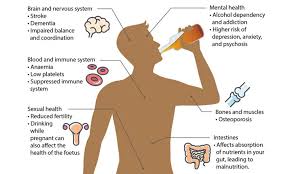
When you take a sip of beer, wine, or a cocktail, you probably feel it in your head first. That warm, fuzzy buzz is hard to miss. But here’s the real question: what organ does alcohol affect the most? The answer might surprise you.
Many people assume the stomach or the brain is the main target. But in reality, alcohol impacts every single organ in your body. However, one organ takes the heaviest hit—your liver. That said, the brain, heart, pancreas, and even your stomach lining all suffer significant damage over time.
Let’s break this down in plain, simple language. By the end of this article, you will know exactly how alcohol travels through your body, which organs cry for help first, and how to spot early warning signs of trouble.
The Liver: Ground Zero for Alcohol Damage
If you asked a doctor what organ does alcohol affect most directly, they would point to the liver. Why? Because the liver is your body’s filtration factory. About 90% of the alcohol you drink gets broken down here.
How the liver processes alcohol
Your liver uses an enzyme called alcohol dehydrogenase (ADH) to break down alcohol into acetaldehyde—a toxic chemical that damages cells. Then, another enzyme quickly tries to convert that into harmless acetate. But when you drink too much, too fast, the liver cannot keep up. Toxins build up, and cells start to die.
Three stages of liver disease from alcohol
- Fatty liver disease – After just a few days of heavy drinking, fat builds up in liver cells. This stage is reversible if you stop drinking.
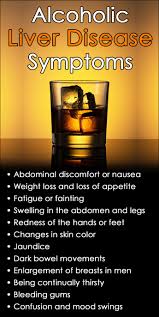
- Alcoholic hepatitis – This is inflammation and swelling of the liver. Symptoms include yellow skin (jaundice), belly pain, and nausea.
- Cirrhosis – Permanent scarring of the liver. At this stage, the liver cannot heal itself. Cirrhosis leads to liver failure and death without a transplant.
Real-life example: Mark, a 45-year-old accountant, drank six beers nightly for a decade. He felt tired but ignored it. One day, his eyes turned yellow. Doctors told him he had cirrhosis. He now needs a new liver.
The Brain: Your Control Center Under Attack
While the liver processes alcohol, the brain feels the effects within minutes. So what organ does alcohol affect in terms of mood, memory, and movement? That is the brain.
Short-term brain effects
- Slurred speech
- Blurred vision
- Poor balance and coordination
- Blackouts (gaps in memory)
- Risky or aggressive behavior
Long-term brain damage
Heavy drinking over years shrinks the brain. It damages the frontal lobe—the part responsible for decision-making and impulse control. This leads to:
- Permanent memory loss (similar to early dementia)
- Wernicke-Korsakoff syndrome (a disorder caused by low vitamin B1, leading to confusion and eye problems)
- Anxiety and depression
Your brain also builds tolerance. What used to take three drinks might take six to feel the same buzz. That is not a sign of strength; it is a sign of damage.
The Heart: A Silent Victim
Most people do not think about their heart when they drink. But what organ does alcohol affect in terms of cardiovascular health? The heart suffers silently.
Alcohol weakens the heart muscle over time. It also raises blood pressure and triglycerides (a type of fat in the blood).
Common alcohol-related heart issues
- Alcoholic cardiomyopathy – The heart stretches and droops. It cannot pump blood efficiently.
- Arrhythmias – Irregular heartbeats, including “holiday heart syndrome” (irregular rhythm after binge drinking).
- Stroke – Alcohol increases the risk of both ischemic (clot) and hemorrhagic (bleed) strokes.
Even moderate drinking (one drink per day for women, two for men) increases breast cancer risk. But for the heart, heavy drinking is clearly dangerous. Light to moderate drinking might have some benefits for older adults, but doctors do not recommend starting to drink for heart health.
The Pancreas: A Small Organ with Big Problems
The pancreas is a small gland behind your stomach. It makes insulin (to control blood sugar) and digestive enzymes. So what organ does alcohol affect that can cause sudden, life-threatening pain? The pancreas.
Acute pancreatitis
After a single binge drinking session, digestive enzymes can activate inside the pancreas. They start digesting the organ itself. This causes:
- Sudden, severe upper belly pain
- Nausea and vomiting
- Fever and rapid heartbeat
Acute pancreatitis requires emergency hospitalization. Repeated drinking leads to chronic pancreatitis—permanent damage that causes constant pain, diabetes, and malnutrition.
Tip: If you have upper abdominal pain that gets worse after eating or drinking alcohol, see a doctor immediately. Do not wait.
The Stomach and Esophagus: The First Contact
Before alcohol reaches your liver or brain, it touches your mouth, esophagus, and stomach. So what organ does alcohol affect that causes heartburn and bleeding? Your digestive tract.
Immediate effects
- Alcohol irritates the stomach lining (gastritis)
- Increases stomach acid production
- Relaxes the valve between the esophagus and stomach, causing acid reflux (heartburn)
Long-term damage
- Ulcers – Open sores in the stomach or small intestine
- Bleeding – Vomiting blood or passing black, tarry stools
- Esophageal varices – Swollen veins in the esophagus that can burst and cause fatal bleeding (common in cirrhosis)
Increased cancer risk
Alcohol is a Group 1 carcinogen. It directly damages DNA. Heavy drinking significantly raises the risk of:
- Mouth cancer
- Throat cancer
- Esophageal cancer
- Stomach cancer
The Kidneys and Bladder: The Filter System
Your kidneys filter waste from blood and balance fluids. Alcohol disrupts this system. So what organ does alcohol affect that controls your hydration and waste removal? The kidneys.
How alcohol harms kidneys
- Dehydration – Alcohol is a diuretic (makes you pee more). This stresses the kidneys.
- Blood pressure – Alcohol raises blood pressure, which damages kidney blood vessels over time.
- Direct toxicity – Heavy drinking can cause acute kidney injury, especially when combined with liver failure (a condition called hepatorenal syndrome).
If you already have chronic kidney disease, even moderate drinking is risky. Always check with your doctor.
The Immune System: An Organ System Worth Mentioning
Technically, the immune system is not a single organ. But it is a collection of organs (spleen, lymph nodes, bone marrow) and cells. And alcohol devastates it.
- Heavy drinkers get more infections (pneumonia, tuberculosis)
- Wounds heal slower
- Recovery from surgery takes longer
Even one night of heavy drinking can lower your white blood cell count for up to 24 hours. That means you are more likely to catch a cold or flu the day after drinking.
Real-Life Use Case: How One Month Without Drinking Changes Everything
Let us look at Sarah. She is 38 years old and drank two glasses of wine every night for years. She asked herself: what organ does alcohol affect in my life? She felt tired, had constant heartburn, and noticed her skin looked dull.
She stopped drinking for 30 days. Here is what changed:
- Week 1: Sleep improved. No more waking up at 3 AM with a racing heart.
- Week 2: Heartburn disappeared. No more antacids before bed.
- Week 3: Skin cleared up. The puffiness under her eyes faded.
- Week 4: Liver enzymes (tested by her doctor) returned to normal.
She realized her liver was not the only thing thanking her—her brain, stomach, and skin all recovered.
Tips to Reduce Alcohol-Related Organ Damage
If you choose to drink, these steps can reduce harm:
- Follow low-risk guidelines – No more than 1 drink/day for women, 2 for men. One drink = 12 oz beer (5% alcohol), 5 oz wine (12%), or 1.5 oz spirits (40%).
- Have alcohol-free days – At least 2–3 days per week without any alcohol.
- Eat before and while drinking – Food slows alcohol absorption, giving your liver more time to process it.
- Alternate with water – One glass of water per alcoholic drink reduces dehydration.
- Avoid binge drinking – That means 4+ drinks for women or 5+ for men in about 2 hours.
Signs Your Organs Are Already Damaged
Do not ignore these warning signs. They mean what organ does alcohol affect in your body has been hurt:
- Yellow skin or eyes (liver)
- Swollen ankles or belly (liver or heart)
- Shortness of breath (heart)
- Chronic indigestion or heartburn (stomach/pancreas)
- Memory lapses or confusion (brain)
- Numbness or tingling in hands/feet (nerve damage from alcohol)
If you have any of these, see a doctor. Be honest about your drinking—they are not there to judge you.
Frequently Asked Questions (FAQ)
1. What organ does alcohol affect first?
The stomach and small intestine absorb alcohol first, but the liver is the first organ to start metabolizing (breaking down) alcohol. The brain is the first to show obvious effects (like feeling drunk).
2. Can one night of heavy drinking cause permanent organ damage?
One night of binge drinking will not usually cause permanent damage, but it can trigger acute pancreatitis or dangerous arrhythmias (holiday heart syndrome). Repeated binges cause permanent harm over time.
3. How long does it take for the liver to heal after stopping alcohol?
Fatty liver can reverse in as little as two to six weeks of abstinence. Mild alcoholic hepatitis may take months. Cirrhosis is permanent, but stopping alcohol prevents further damage.
4. Is there any “safe” amount of alcohol for your organs?
For most healthy adults, low-risk drinking (1 drink/day for women, 2 for men) has low risk of organ damage. However, no amount is completely “safe” for cancer risk. The less you drink, the lower the risk.
5. What organ does alcohol affect that causes weight gain?
Alcohol directly affects the liver by turning excess alcohol into fat (fatty liver). It also affects the brain by lowering inhibitions, making you eat more, and disrupting hormones that control hunger (leptin and ghrelin).
6. Can exercise reverse alcohol-related organ damage?
Exercise helps overall health, lowers blood pressure, and reduces liver fat. However, it cannot reverse cirrhosis or severe brain damage. It works best as prevention and alongside stopping drinking.
Conclusion: Your Body, Your Choice
So now you know the complete answer to what organ does alcohol affect. The truth is: alcohol affects every major organ from your brain down to your kidneys. The liver takes the heaviest and most direct hit, but the brain, heart, pancreas, and stomach all suffer serious consequences with heavy drinking.
The good news? Most alcohol-related organ damage is reversible in the early stages. Fatty liver, gastritis, high blood pressure, and even some heart problems can improve dramatically within weeks of stopping alcohol.
If you are worried about your drinking, start with one small change. Have two alcohol-free days this week. Swap every other drink for water. Talk to your doctor. Your future self—with a healthier liver, sharper brain, and stronger heart—will thank you.








Leave a Reply