
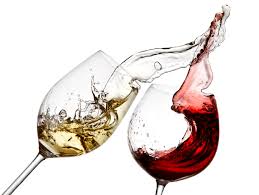
You just left your doctor’s office, and the news hit differently this time. Your blood pressure reading was higher than last year. But nothing else has changed—except the rules.
In recent years, major health organizations have quietly rewritten the playbook on hypertension. And one of the biggest surprises? How alcohol fits into the picture.
If you enjoy a glass of wine with dinner or a couple of beers on game night, the new blood pressure guidelines alcohol recommendations might make you do a double take. This isn’t about scare tactics. It’s about giving you the facts so you can make smarter choices—without feeling like you have to become a monk overnight.
Let’s break down exactly what changed, why it matters for your daily life, and how you can still enjoy social drinking without wrecking your numbers.
Why the Guidelines Changed (And What They Used to Say)
For decades, the medical community took a relatively relaxed stance on alcohol and blood pressure. The old mantra? “Moderate drinking might even be good for your heart.”
That thinking came from a few flawed studies that suggested red wine protected against heart disease. But newer, larger research has poked holes in that theory.
In 2017, the American Heart Association (AHA) and the American College of Cardiology (ACC) released a bombshell update. They lowered the threshold for high blood pressure from 140/90 mmHg to 130/80 mmHg. Suddenly, millions of Americans who thought they were fine were now classified as having Stage 1 hypertension.
Then came the alcohol-specific updates. Subsequent guidelines from organizations like the World Health Organization (WHO) and the National Heart, Lung, and Blood Institute (NHLBI) took a harder line. They concluded: no level of alcohol consumption is truly safe for blood pressure.
That’s a stark shift. And it’s the core of what the new blood pressure guidelines alcohol section now emphasizes.
How Alcohol Actually Raises Your Blood Pressure (The Simple Science)
You don’t need a medical degree to understand this. Think of your blood vessels as garden hoses. Alcohol acts like a temporary kink in that hose—but with a nasty rebound effect.
Here’s what happens inside your body within 30 minutes of drinking:
- Immediate spike: Alcohol triggers your nervous system to release stress hormones like cortisol and adrenaline. Your heart beats faster and harder.
- Vessel constriction: Over time, alcohol makes your blood vessels narrower. The same amount of blood has to squeeze through a smaller space, which pushes pressure up.
- Calcium interference: Regular drinking messes with how your blood vessel walls manage calcium. Without getting too technical, this makes them stiffer and less flexible.
- Sleep disruption: Alcohol ruins deep sleep. Poor sleep is a known, direct cause of higher blood pressure the next day.
Most people think, “But I feel relaxed when I drink.” That’s true for the first 30–60 minutes. After that, your body fights back. By morning, your blood pressure can be significantly higher than if you had skipped the drink entirely.
The Numbers You Need to Know: Safe Limits vs. Risky Limits
Let’s get practical. Under the new blood pressure guidelines alcohol recommendations, what’s actually allowed?
| Drinking Level | Old Guidelines (Pre-2017) | New Guidelines (Current) |
|---|---|---|
| Low risk | Up to 2 drinks/day (men), 1 drink/day (women) | Up to 1 drink/day for all, but ideally none |
| Moderate | 3–4 drinks/day | 1–2 drinks/day (already harmful) |
| Heavy | 5+ drinks/day | 3+ drinks/day (significant risk) |
| Binge | 5+ drinks in 2 hours | 4+ drinks in 2 hours (emergency level) |
What counts as “one drink”?
- Beer: 12 ounces (5% ABV)
- Wine: 5 ounces (12% ABV)
- Spirits: 1.5 ounces (40% ABV)
Here’s the kicker: Even at low risk levels, studies show a measurable increase in systolic blood pressure (the top number) of about 1–2 mmHg per daily drink. That might sound tiny. But over a year, that’s enough to push someone from 128/80 into the hypertension zone.
Real-Life Case: Two Friends, Two Different Outcomes
Meet Mike and Dave. Both are 48 years old. Both have desk jobs. Both weigh about the same.
Mike follows the new blood pressure guidelines alcohol advice. He used to have two craft beers (22 ounces total) every night. Now he limits himself to three drinks per week—only on weekends. He also started taking two alcohol-free days in a row each week.
Dave sticks to the old rules. He has one glass of whiskey (2 ounces) every evening. He never gets drunk. He thinks he’s being responsible.
Six months later:
- Mike’s blood pressure went from 135/85 to 124/78.
- Dave’s blood pressure went from 136/84 to 142/90.
Same age, similar habits—except for alcohol. Dave was shocked. But the new guidelines predicted exactly this outcome. Chronic daily drinking, even “just one,” gradually erodes healthy blood pressure.
Who Is Most at Risk? (It Might Be You)
Not everyone responds to alcohol the same way. The new blood pressure guidelines alcohol research highlights specific groups who need to be extra careful:
- People over 50: Your blood vessels naturally stiffen with age. Alcohol accelerates this process.
- Anyone already on BP medication: Alcohol can either amplify or block the effects. Both are dangerous.
- Those with a family history of hypertension: Genetics load the gun; alcohol pulls the trigger.
- Men more than women: Men metabolize alcohol differently and tend to see sharper BP spikes.
- People with anxiety or poor sleep: You’re already fighting elevated stress hormones. Alcohol adds fuel to the fire.
If you fall into two or more of these categories, even light drinking might be working against you.
Hidden Sources of Alcohol You Might Forget
You don’t have to be a heavy drinker to exceed the new limits. Many people consume alcohol without thinking about it:
- Mouthwash (yes, seriously): Some people with alcohol use disorder consume mouthwash. But even rinsing and spitting can absorb trace amounts.
- Cooking wine and beer-battered foods: Alcohol doesn’t fully cook off. A hearty stew with red wine can leave 5–40% of the alcohol content.
- Kombucha: Some store-bought kombuchas contain 0.5–2% alcohol. Drink three bottles, and you’ve had half a beer.
- Non-alcoholic beer: Many “NA” beers actually have 0.3–0.5% ABV. Fine for most, but if you drink six, you’ve consumed a full low-alcohol beer.
- Medicines and extracts: Vanilla extract, almond extract, and some liquid cold medicines are alcohol-based.
The new blood pressure guidelines alcohol advice doesn’t mean you need to obsess over cooking sherry. But if you’re struggling to lower your BP, these hidden sources could be the reason.
Practical Tips to Cut Back Without Feeling Deprived
You don’t have to go cold turkey. In fact, that often backfires. Here’s what actually works, based on behavioral science and the new blood pressure guidelines alcohol recommendations:
1. Swap, don’t stop.
Replace every other alcoholic drink with a “fancy” non-alcoholic option. Think sparkling water with mint and cucumber, or a hop water (zero alcohol, tastes like beer). Your brain still gets the ritual.
2. Use the 20-minute rule.
After one drink, wait 20 minutes before deciding on a second. Most cravings pass. Plus, this gives your body time to process the first drink before you overload it.
3. Track for one week.
Write down every single drink. You’ll likely be surprised. People routinely underestimate by 30–50%. Awareness alone cuts consumption.
4. Create alcohol-free zones.
No alcohol in the bedroom. None at your work desk. None before 5 PM on weekdays. Physical barriers work better than willpower.
5. Find your “why.”
Write down one specific reason: “I want to see my grandkids graduate” or “I don’t want to take a third BP pill.” Keep it on your fridge.
What the New Guidelines Say About Binge Drinking
Binge drinking deserves its own spotlight. Under the new blood pressure guidelines alcohol framework, binge drinking isn’t just “bad for you”—it’s directly linked to hypertensive crises.
A hypertensive crisis is when your BP spikes above 180/120. That’s stroke, heart attack, or aneurysm territory. Emergency rooms see a predictable surge of these cases on Saturday and Sunday mornings after Friday and Saturday night binges.
Even a single binge episode can raise your blood pressure for up to 48 hours. Do that every weekend, and you spend most of your week with elevated pressure. Your body never gets a chance to reset.
The new guidelines are clear: If you binge drink even once a month, you are not a “moderate drinker.” You are in the high-risk category, regardless of your weekday habits.
The Surprising Benefit of Quitting (Even Temporarily)
Here’s good news. The human body is remarkably forgiving.
Research on the new blood pressure guidelines alcohol recommendations shows measurable improvements within days of reducing intake:
- 24 hours after your last drink: BP can drop 2–3 mmHg.
- 1 week alcohol-free: Average drop of 5–6 mmHg systolic.
- 1 month alcohol-free: Up to 10 mmHg drop for moderate drinkers. That’s as good as some prescription medications.
- 3 months: Blood vessel flexibility improves. Kidneys function better. Morning headaches vanish.
One study from the University of London found that heavy drinkers who cut back to low-risk levels saw their blood pressure fall by an average of 8 mmHg systolic and 5 mmHg diastolic in just four weeks. No pills. No special diet. Just less alcohol.
Frequently Asked Questions (FAQ)
1. Can I still drink red wine for heart health under the new blood pressure guidelines alcohol recommendations?
No. The new guidelines explicitly reject the idea that any type of alcohol—red wine, beer, or spirits—provides heart benefits. The supposed antioxidants in red wine are also found in grapes and berries without the blood pressure risk. If you enjoy wine, treat it as an occasional pleasure, not medicine.
2. How long after quitting alcohol will my blood pressure return to normal?
For most people, you’ll see the biggest change in the first 2–4 weeks. However, if you’ve been drinking heavily for years, some damage may be permanent. That said, studies show even long-term drinkers can lower their BP by 10–15 mmHg within three months of quitting completely.
3. Is it safe to drink alcohol while taking blood pressure medication?
This depends on your specific medication. Beta-blockers and ACE inhibitors can interact badly with alcohol, causing dizziness, fainting, or dangerously low heart rates. Always check with your pharmacist or doctor. But the safest answer under the new guidelines is: avoid alcohol entirely if you’re on BP meds.
4. Can one drink per day really hurt my blood pressure if I’m otherwise healthy?
Yes, according to a 2023 meta-analysis of over 500,000 people published in Hypertension journal. Even one daily drink was linked to a 1.5 mmHg higher systolic pressure compared to non-drinkers. Over five years, that tiny increase raises your stroke risk by about 10%. “Otherwise healthy” doesn’t protect you from this cumulative effect.
When to Talk to Your Doctor
The new blood pressure guidelines alcohol advice isn’t a one-size-fits-all prison sentence. Some people genuinely can handle a drink or two per week without noticeable BP changes. Others see spikes from half a beer.
Here’s a simple test you can do at home:
- Measure your blood pressure every morning for five days (no alcohol during these days). Write down the average.
- Then, have your usual amount of alcohol one evening.
- Measure your BP again the next morning, and again 24 hours later.
If you see a rise of 5 points or more on the top number, your body is telling you something. Bring that log to your doctor.
Your doctor might also recommend a liver enzyme test. Elevated enzymes suggest your body isn’t processing alcohol efficiently, which almost always means worse BP effects.
The Bottom Line: You’re in Control
Nobody wants to hear that their evening wind-down ritual might be harming them. And the new blood pressure guidelines alcohol updates aren’t about guilt or shame. They’re about giving you accurate information so you can choose wisely.
Think of it this way: Every drink is a trade-off. One drink might give you 30 minutes of relaxation but 24 hours of slightly higher pressure. Two drinks might double that effect. A binge wipes out an entire weekend of healthy numbers.
But here’s the empowering part: You get to decide. You can experiment. You can cut back by 50% and retest your BP in a month. You can switch to alcohol-free spirits and discover you don’t miss the buzz—just the ritual.
The people who succeed aren’t the ones who quit forever. They’re the ones who make small, consistent changes. One less drink tonight. One more alcohol-free day this week. That’s how you beat the numbers without losing your social life.
So pour that sparkling water with a lime wedge. Raise your glass—to your health, not against it. Your heart will thank you.


Leave a Reply