
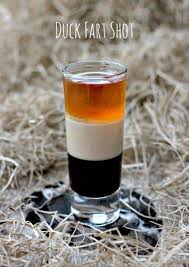
You’ve just finished a fun night out—maybe two glasses of wine with dinner or a few beers while watching the game. You feel relaxed, happy, and a little warm. Then, about an hour later, it happens. The rumble. The pressure. The undeniable urge to… let one go. And then another. And another.
If you’ve ever woken up the morning after drinking feeling like a human balloon, you’ve probably asked yourself: why do i fart so much after drinking alcohol?
You’re not alone. In fact, this is one of the most common—yet least discussed—side effects of alcohol. While most people talk about hangover headaches or nausea, the real party foul is often happening silently (or not so silently) below the belt.
In this article, we’ll break down exactly what’s going on inside your digestive system, why some drinks are worse than others, and—most importantly—what you can do to stop it.
First, Let’s Normalize This: You’re Not Broken
Before we dive into the science, take a deep breath. Passing gas is completely normal. The average person farts between 13 and 21 times a day. After drinking alcohol, that number can easily double or triple.
So if you’ve been secretly Googling why do i fart so much after drinking alcohol while hiding under the covers, relax. Your body isn’t broken. It’s just reacting to a powerful substance that your gut doesn’t always love.
That said, if it’s causing you embarrassment or discomfort, understanding the root causes is the first step to fixing it.
The Main Reasons You’re Gassy After Drinking
Let’s get straight to the point. There isn’t just one reason—there’s a whole storm of factors working together.
H2: Alcohol Disrupts Your Gut Microbiome (The “Good Bug” Effect)
Your large intestine is home to trillions of bacteria, fungi, and other microbes. This is your gut microbiome, and it plays a huge role in digestion. Most of the time, these bacteria live in harmony, helping you break down food and absorb nutrients.
But alcohol is like a wrecking ball to that harmony.
When you drink, alcohol travels to your large intestine, where it acts as an irritant. Your gut bacteria get confused and start fermenting things they normally wouldn’t. This fermentation process produces gas—specifically hydrogen, methane, and carbon dioxide.
The result? More bloating, more pressure, and yes, more flatulence.
Real-life example: Think of your gut bacteria as a calm office. Alcohol is a loud, chaotic intern who knocks over coffee cups and deletes files. Suddenly, everyone is stressed and making mistakes. Those mistakes = gas.
H2: Sugars and Carbs That Your Gut Can’t Handle
Not all alcohol is created equal. Some drinks are packed with sugars and carbohydrates that your small intestine struggles to absorb. When these sugars reach your large intestine undigested, your gut bacteria go wild.
This is especially true for:
- Beer (contains complex carbs and gluten)
- Sweet wines (high fructose content)
- Cocktails (simple syrups, fruit juices, soda)
- Hard seltzers (artificial sweeteners like erythritol)
Your body has a limited ability to absorb certain sugars. Once you exceed that limit (which happens quickly with alcohol), the leftovers become a feast for gas-producing bacteria.
H3: Carbonation = Trapped Air
This one is simple physics. Many alcoholic drinks are carbonated:
- Beer
- Champagne
- Sparkling wine
- Hard seltzers
- Soda mixers (tonic, cola, club soda)
When you drink something carbonated, you swallow tiny bubbles of carbon dioxide. Some of that gas escapes as a burp. But the rest travels down to your intestines, where it adds to the overall volume of gas already being produced by fermentation.
So if you’re drinking beer or champagne, you’re essentially double-dipping: gas from fermentation plus gas from carbonation.
H2: Alcohol Slows Down Digestion (Gastroparesis)
Alcohol doesn’t just irritate your gut—it also slows down how fast your stomach empties into your small intestine. This condition is called delayed gastric emptying, or mild gastroparesis.
When food and drink hang around in your stomach longer than they should, they start to ferment prematurely. That fermentation produces gas. And because everything is moving slowly, that gas builds up instead of passing through quickly.
Imagine a traffic jam on a highway. Normally, gas moves along smoothly. But alcohol puts up construction cones and detours. The result? A painful backup of pressure.
Why Do Some People Get More Gas Than Others?
You might have a friend who can drink six beers without a single toot, while you’re ready to launch into orbit after one glass of wine. Here’s why.
H3: Pre-Existing Digestive Conditions
If you already have any of the following, alcohol will likely make your gas much worse:
- Irritable Bowel Syndrome (IBS) – Alcohol is a known trigger.
- Lactose intolerance – Many alcoholic drinks contain dairy (cream liqueurs, white Russians).
- Celiac disease or gluten sensitivity – Beer is a major culprit.
- Small Intestinal Bacterial Overgrowth (SIBO) – Alcohol feeds the bad bacteria.
H3: The Type of Alcohol Matters
Not all drinks are equal. Here’s a quick ranking from least gassy to most gassy:
| Drink | Gas Potential | Why? |
|---|---|---|
| Vodka (neat or with water) | Low | No sugar, no carbonation |
| Dry red or white wine | Low-medium | Low sugar, but some tannins |
| Whiskey/bourbon (neat) | Low | Distilled, minimal additives |
| Cocktails with juice | Medium | High sugar content |
| Sweet wine / Moscato | Medium-high | High fructose |
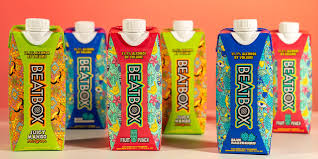
| Hard seltzer | High | Carbonated + artificial sweeteners |
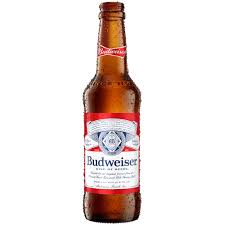
| Beer | Very high | Carbonated + carbs + gluten |
| Champagne | Very high | Carbonated + yeast residue |
If you’re consistently asking why do i fart so much after drinking alcohol, look at your drink of choice. Switching from beer to vodka might solve half the problem overnight.
7 Practical Tips to Reduce Gas After Drinking
Now for the part you actually want: solutions. You don’t have to quit drinking entirely (unless you want to). Just make smarter choices.
1. Choose Low-Sugar, Non-Carbonated Drinks
Stick to:
- Vodka, gin, or tequila with water or ice
- Dry wines (Pinot Noir, Cabernet, Sauvignon Blanc)
- Whiskey or bourbon neat
Avoid:
- Beer
- Champagne
- Sweet cocktails
- Hard seltzers
2. Eat Before You Drink (And During)
Never drink on an empty stomach. Food acts as a buffer, slowing down alcohol absorption and giving your gut more time to handle sugars. Aim for:
- Lean protein (chicken, fish, tofu)
- Healthy fats (avocado, nuts)
- Cooked vegetables (easier to digest than raw)
Avoid heavy, greasy foods right before drinking—they slow digestion even more.
3. Stay Hydrated (Seriously)
Alcohol is a diuretic, meaning it makes you pee out water. Dehydration leads to constipation, and constipation traps gas inside you for longer. Drink one glass of water for every alcoholic drink.
4. Try a Digestive Enzyme Before Drinking
Over-the-counter digestive enzymes (like Beano or Lactaid) can help break down sugars and carbs before they reach your gut bacteria. Take them right before your first drink.
One reader shared: *“I used to avoid beer entirely because of the bloating. I started taking alpha-galactosidase (the enzyme in Beano) before drinking, and it cut my gas by at least 70%.”*
5. Avoid Mixing Alcohol with Artificial Sweeteners
Diet sodas, sugar-free mixers, and many hard seltzers contain sorbitol, xylitol, or erythritol—sugar alcohols that your body cannot digest. These are infamous for causing gas, diarrhea, and bloating. Stick to real sugar or no sweetener at all.
6. Give Yourself a “Wind-Down” Walk
Light movement after drinking—a 10–15 minute walk—helps stimulate peristalsis (the natural muscle contractions that move gas through your intestines). You don’t need to jog. Just move.
7. Consider a Probiotic (But Not Right After Drinking)
Probiotics can help restore your gut microbiome over time. However, don’t take them immediately after drinking—alcohol can kill the beneficial bacteria before they settle. Take them in the morning, hours before or after any alcohol.
When Should You Worry? (Red Flags)
Most alcohol-related gas is harmless and temporary. But if you notice any of the following, see a doctor:
- Blood in your stool
- Unexplained weight loss
- Severe abdominal pain that doesn’t go away
- Chronic diarrhea after every time you drink (not just gas)
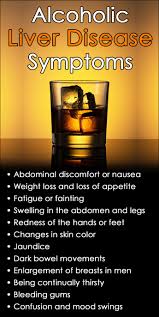
- Yellowing of the skin or eyes
These could indicate something more serious, like pancreatitis, celiac disease, or even alcohol intolerance (a genetic condition).
FAQ: Your Burning Questions (Pun Intended)
Q1: Why do I fart more after drinking wine than beer?
Wine—especially red wine—contains tannins and histamines that can irritate the gut lining in sensitive people. White wine has less tannins but often contains sulfites. Beer causes gas mostly from carbonation and gluten. If wine makes you gassier than beer, you may have a histamine intolerance or sensitivity to sulfites.
Q2: Can alcohol cause smelly farts specifically?
Yes. The smell comes from hydrogen sulfide gas produced when gut bacteria break down sulfur-containing compounds. Certain alcohols—especially dark beers, red wine, and whiskey—contain more sulfur than clear spirits like vodka or gin. If your post-drinking farts are particularly foul, switch to clear, distilled liquors.
Q3: How long does alcohol-induced gas last?
For most people, it peaks 2–6 hours after drinking and resolves within 12–24 hours. If you still have significant gas after 48 hours, something else is likely involved (like a food intolerance or underlying condition).
Q4: Will taking activated charcoal help with gas from alcohol?
Activated charcoal can absorb some gas and toxins, but it also absorbs nutrients and medications. It’s not a great solution for regular use. Worse, if you take it too close to drinking, it might reduce alcohol absorption—which sounds good, but can also make you feel sick. Stick to the dietary tips above first.
Strong Conclusion: Listen to Your Gut (Literally)
Let’s circle back to the question that brought you here: why do i fart so much after drinking alcohol?
The short answer is a combination of three things:
- Fermentation – Gut bacteria going wild on undigested sugars.
- Carbonation – Swallowed gas from bubbly drinks.
- Slowed digestion – Alcohol delaying your gut’s natural rhythm.
The good news is that you have a lot of control over this. You don’t need to swear off social drinking forever. Just make smarter swaps—choose vodka over beer, eat before you drink, and skip the diet mixers.
And remember: everyone farts. Even the person at the bar who looks perfectly composed. They’re just better at holding it in (or have perfected the silent-but-deadly).
If you’ve been silently suffering and too embarrassed to ask, consider this your permission slip to talk about it. Your gut health matters. And sometimes, the loudest problems are the ones nobody wants to mention.
So next time you’re out with friends and feel that familiar rumble, you’ll know exactly what’s happening inside you—and exactly how to fix it.



Leave a Reply