

You are two sips into a glass of red wine at a dinner party. You feel a sudden warmth creeping up your neck. You excuse yourself to the bathroom, look in the mirror, and—there it is. Your cheeks look like tomatoes. Your nose is glowing. A colleague asks, “Are you okay? You look sunburned.”
If this sounds familiar, you are not alone. Millions of people experience this reaction every day. But here is the real question: Why does my face get red when I drink alcohol?
Is it an allergy? Is it dangerous? Or is your body just being dramatic?
In this article, we will break down the science behind the “alcohol flush reaction.” You will learn why some people turn crimson after one beer, whether you should be worried, and—most importantly—what you can actually do about it.
H2: The Immediate Answer: It’s Not Just a Sunburn
Let’s get straight to the point. Why does my face get red when I drink alcohol? The short answer is toxicity.
When you drink alcohol (ethanol), your body works hard to break it down into harmless substances. For most people, this happens smoothly. But for roughly 36% of East Asians—and many others of various ethnicities—the process gets stuck halfway.
Your face turns red because your blood vessels are dilating (opening up) near the skin’s surface. This happens due to a buildup of a toxic chemical called acetaldehyde.
Here is the simple breakdown:
- Step 1: Your liver uses an enzyme called alcohol dehydrogenase (ADH) to turn alcohol into acetaldehyde.
- Step 2: A second enzyme called aldehyde dehydrogenase 2 (ALDH2) normally destroys acetaldehyde.
- The Problem: If your ALDH2 enzyme is lazy or broken, acetaldehyde accumulates.
- The Result: Acetaldehyde is a poison. Your body panics, releases histamine, and your blood vessels expand. Hello, red face.
If you have ever wondered, “Why does my face get red when I drink alcohol, but my friend’s doesn’t?” — now you know. It is genetics, not fitness or willpower.
H2: The Genetics of the Red Face (ALDH2 Deficiency)
H3: It’s Called “Alcohol Flush Reaction”
Doctors do not call this simply “getting red.” They call it Alcohol Flush Reaction (AFR) . In popular culture, you might know it as “Asian Flush” or “Asian Glow,” though it affects people from any background.
H3: The Specific Gene Variant
The culprit is a genetic mutation in the ALDH2 gene. Specifically, it is the ALDH22 variant.
- If you have two working copies: You break down acetaldehyde quickly. No red face.
- If you have one working copy: You break down acetaldehyde slowly. You flush after 1–2 drinks.
- If you have zero working copies (rare): You break down acetaldehyde very poorly. You flush after a few sips.
This mutation is most common in people of Chinese, Japanese, Korean, and Vietnamese descent. However, it also appears in Jewish populations, Middle Eastern groups, and even some Europeans.
H3: A Real-Life Case Study
Meet Maya, a 28-year-old graphic designer from Tokyo. Maya cannot have a single glass of sake without her chest turning splotchy and her heart racing. For years, she thought she was allergic to rice. When she moved to New York, her doctor explained the ALDH2 deficiency. Now, Maya knows she isn’t allergic to alcohol—her body just cannot finish the cleanup job. She pre-games with food and sips slowly. The flush is milder, but it never fully goes away.
H2: Is a Red Face Dangerous? (Yes—More Than You Think)
Most people assume the red face is just annoying or embarrassing. But here is the hard truth: If your face turns red when you drink, your body is telling you that you are poisoning yourself.
Acetaldehyde is classified as a Group 1 carcinogen—the same category as asbestos and formaldehyde.
H3: Short-Term Symptoms (Beyond Redness)
When you flush, you are not just looking red. You might also experience:
- Nausea or stomach discomfort
- Rapid heartbeat (tachycardia)
- Dizziness or mild headache
- Nasal congestion (stuffy nose)
- Warmth spreading down your chest
H3: Long-Term Health Risks
Studies show that people with ALDH2 deficiency who continue to drink regularly have significantly higher risks of:
- Esophageal cancer (up to 6–10 times higher risk)
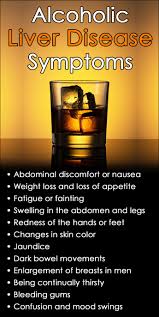
- Liver disease (because the liver is constantly fighting toxins)
- Type 2 diabetes (acetaldehyde impairs insulin sensitivity)
- Osteoporosis (in heavy drinkers)
Important note: If you have the flush reaction, you are not “weak.” You are actually more sensitive to alcohol’s harmful effects. Drinking through the flush does not build tolerance—it just increases cancer risk.
H2: Alcohol Flush vs. Rosacea vs. Allergy
Sometimes, people confuse Alcohol Flush Reaction with other conditions. Let’s clear that up.
| Condition | Trigger | Key Feature | Solution |
|---|---|---|---|
| Alcohol Flush | Any alcohol | Red face, nausea, rapid heartbeat within minutes | Avoid alcohol or use Pepcid (see below) |
| Rosacea | Red wine, heat, spicy food | Persistent redness, bumps, visible blood vessels | Topical creams, laser therapy |
| True Alcohol Allergy | Even trace alcohol | Hives, difficulty breathing, anaphylaxis | Complete avoidance, EpiPen |
Real-life example: David thought he had rosacea. Every Friday happy hour, his cheeks burned. But on Monday mornings, his skin was clear. His dermatologist asked one question: “Does your heart race when you drink?” David said yes. That is how they discovered ALDH2 deficiency, not rosacea.
So, if you are asking, “Why does my face get red when I drink alcohol but not when I eat spicy food?” — you likely have Alcohol Flush Reaction, not rosacea.
H2: Can You Prevent or Reduce the Redness?
Yes—but with important safety caveats. You cannot cure your genetics. However, you can manage the symptoms.
H3: 5 Practical Tips to Minimize Flushing
- Eat a heavy meal beforehand. Food slows alcohol absorption, giving your weak ALDH2 enzyme more time to work.
- Choose lower-alcohol drinks. Beer and white wine cause less flushing than whiskey or vodka.
- Sip slowly. One drink over two hours is better than two drinks in 20 minutes.
- Avoid histamine-rich alcohol. Red wine and dark beers contain natural histamines that worsen the flush.
- Use H2 blockers (with caution). Over-the-counter medications like famotidine (Pepcid AC) or cimetidine (Tagamet) block histamine receptors. They reduce redness but do not reduce acetaldehyde levels. They mask the symptom, not the poison.
H3: The Controversial “Pepcid Trick”
Many people take Pepcid 30 minutes before drinking to stop the red face. It works—because histamine causes the redness. However, medical experts are divided.
Why it is risky: You feel less flushed, so you may drink more than your body can handle. You still have toxic acetaldehyde circulating. You are just ignoring the warning light on your dashboard.
Bottom line: If you choose to use H2 blockers, do not drink more than usual. One drink max.
H2: The Role of Histamine and Inflammation
You might be surprised to learn that alcohol triggers histamine release in everyone—not just flushers. But in people with ALDH2 deficiency, the effect is magnified.
Histamine is the same chemical that causes allergic reactions. When alcohol causes your gut to release histamine:
- Blood vessels dilate (redness)
- Skin temperature rises (warmth)
- Mucus membranes swell (stuffy nose)
This is why antihistamines like Zyrtec or Claritin sometimes help with flushing—but they are less effective than H2 blockers (Pepcid). For best results, some people combine an H1 blocker (Claritin) with an H2 blocker (Pepcid). Again, consult a doctor first.
H2: Frequently Asked Questions (FAQ)
Q1: Why does my face get red when I drink alcohol only sometimes? Not every time?
A: This is common. The severity of flushing depends on your stomach contents, hydration, fatigue level, and even the type of alcohol. If you eat a large meal, your stomach empties slower, so alcohol enters your bloodstream gradually. On an empty stomach, the flush hits harder and faster. Also, red wine and dark liquors contain congeners (chemicals that worsen inflammation), while vodka causes less flushing.
Q2: Can I train my body to stop flushing by drinking more often?
A: Absolutely not. This is a dangerous myth. You cannot “train” a broken enzyme. Drinking more often does not improve ALDH2 function. Instead, you expose your esophagus and liver to chronic acetaldehyde damage. Over time, you will flush less because your body downregulates the inflammatory response—but that is a sign of tolerance, not health. Cancer risk remains high.
Q3: Is there a test for Alcohol Flush Reaction?
A: Yes. You can take a simple genetic test (23andMe or similar) that checks for the ALDH2 mutation. Some hospitals also offer a “patch test” where they apply alcohol to your skin. However, the easiest test is free: Drink one standard beer on an empty stomach. If your face turns red within 15 minutes, you have it.
Q4: Why does my face get red when I drink alcohol but my nose also gets cold?
A: Great observation. While your cheeks flush with warm blood, your nose might feel cold because of vasoconstriction (blood vessels tightening) in the extremities. Alcohol confuses your body’s thermostat. It pulls blood to the skin (making you feel warm), but you actually lose body heat. So your nose and fingers may cool down while your face burns red.
H2: What To Do If You Flush (Action Plan)
Let’s summarize a practical, safe plan for the next time you are at a bar or party.
Step 1: Identify your risk level.
Do you flush after half a beer? Or after three? The earlier you flush, the more severe your deficiency.
Step 2: Talk to your doctor.
Ask for a liver function test and discuss esophageal cancer screening if you are a regular drinker.
Step 3: Modify your drinking habits.
- Eat first.
- Alternate alcohol with water.
- Stop at the first sign of a warm face.
Step 4: Consider alternatives.
Non-alcoholic beers, mocktails, or sparkling water with lime let you socialize without the red mask.
Step 5: Never drink alone if you flush severely.
If you feel chest tightness, severe nausea, or fainting, seek medical help. Rarely, severe ALDH2 deficiency can cause dangerous reactions.
H2: A Word on Social Pressure
Many people write to me asking, “Why does my face get red when I drink alcohol at work events? It’s so embarrassing.”
I understand. The flush can feel like a spotlight. Coworkers ask if you are drunk. Dates think you are nervous.
Here is my advice: Own it.
Say, “I have a genetic thing—it just means I’m a cheap date. One drink and I’m glowing.” Most people will respect the honesty. And if anyone pressures you to drink more despite your red face, they are not a friend worth impressing.
Your health is more important than their comfort.
H2: Conclusion (Summary)
Let’s bring this full circle.
If you have ever asked, “Why does my face get red when I drink alcohol?” — you now know the answer is genetics, not allergies or weakness. Specifically, a deficiency in the ALDH2 enzyme leads to a buildup of toxic acetaldehyde, which dilates your blood vessels and turns your skin red.
Key takeaways:
- The red face is a warning sign of acetaldehyde poisoning.
- It significantly raises your risk of esophageal cancer.
- You cannot train your way out of it.
- H2 blockers like Pepcid reduce redness but do not make drinking safe.
- Eating food, sipping slowly, and choosing low-alcohol drinks help manage symptoms.
Your red face is not a flaw. It is your body’s built-in safety alarm. Listen to it. Respect it. And the next time someone asks why you are turning crimson after one glass of wine, you can smile and say, “It’s just my genetic early warning system.”




Leave a Reply