
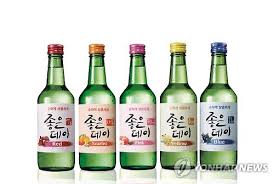
If you’ve ever shared a toast of geonbae (that’s “cheers” in Korean) at a KBBQ spot, you’ve probably met soju. It’s that green bottle, the one that tastes slightly sweet, goes down dangerously smooth, and leaves you wondering, “Wait, how strong is this stuff?”
You’re not alone.
The truth about soju alcohol content surprises a lot of people. Unlike vodka or whiskey, soju doesn’t always announce its strength with a punch. It’s sneaky. And understanding exactly how much alcohol is in that bottle can mean the difference between a fun night and waking up with regrets.
Let’s break down everything you need to know—from the numbers to the history, the different types, and how to drink smart.
What Is Soju, Anyway?
Before we dive into alcohol percentages, let’s get clear on what soju actually is.
Soju is a clear, distilled spirit that originated in Korea. Traditionally, it was made from grains like rice, wheat, or barley. But here’s the twist: modern mass-produced soju (the kind in those iconic green bottles) usually gets its alcohol from diluted ethanol—basically, highly refined neutral spirits mixed with water, sweeteners, and flavorings.
Think of it like this:
- Traditional soju = distilled from grains (more expensive, more flavor)
- Modern soju = ethanol + water + sweeteners (cheap, smooth, widely available)
This difference matters because it directly affects the soju alcohol content. Traditional versions tend to be much stronger, while the green bottle you buy for $3 is designed to be low-proof and easy to drink.
Soju Alcohol Content: The Real Numbers (By Type)
Here’s where we get specific. The soju alcohol content isn’t a single number. It varies widely depending on how the drink is made and sold.
Let’s look at the three main categories you’ll actually encounter.
1. Standard Modern Soju (The Green Bottle)
This is what 90% of people drink. Brands like Chamisul and Chum Churum dominate the market.
- Alcohol by volume (ABV): 13% – 20%
- Most common: 16.9% (you’ll see this everywhere in Korea)
- Export versions sometimes go up to 20% to account for different liquor laws
Why so low? In the 1990s and 2000s, Korea cracked down on strong liquor to reduce binge drinking. So producers lowered the ABV to stay competitive and legal-friendly. Today, 16.9% soju alcohol content is the unofficial standard.
At this strength, it’s weaker than wine (which averages 12–14% for table wine) but slightly stronger than most beers. A standard 360ml bottle contains roughly 4–5 standard drinks.
2. Flavored Soju (Fruit and Fun)
Walk into any Korean convenience store, and you’ll see rows of colorful bottles: green grape, peach, pineapple, yogurt, you name it.
- ABV: 12% – 14%
- Popular brands like Soonhari or Jinro Grapefruit sit around 13%
Flavored soju is sweeter, lower in alcohol, and marketed heavily to younger drinkers and casual consumers. The soju alcohol content here is closer to a strong beer or a weak wine. It’s practically a gateway drink—tastes like juice, but it’s still booze.
Real talk: because it tastes so mild, people often drink it faster than plain soju. That’s a trap. Don’t fall for it.
3. Traditional / Premium Soju (The Strong Stuff)
If you want to experience soju the way your Korean grandparents remember it, look for traditional brands or premium craft soju.
- ABV: 25% – 53%
- Examples: Hwayo (25%, 41%, 53%), Andong Soju (40–45%), Ilpoom Jinro (25%)
These are distilled from actual grains (often rice) and aged for smoother flavors. They’re pricier—think 20to50 per bottle instead of $3. And they’re meant to be sipped, not shotgunned.
At 45% ABV, traditional soju is right up there with vodka, whiskey, and tequila. Don’t confuse it with the green bottle. The soju alcohol content on these bottles will hit you hard if you’re not careful.
Soju vs. Other Popular Spirits: A Quick Comparison
Let’s put those numbers in perspective.
| Drink | Typical ABV | Strength vs. Standard Soju (17%) |
|---|---|---|
| Light beer | 4–5% | Much weaker |
| Wine | 12–14% | Slightly weaker |
| Standard soju | 16.9% | Baseline |
| Flavored soju | 12–14% | Weaker |
| Sake | 15–16% | Similar |
| Vodka | 40% | ~2.4x stronger |
| Whiskey | 40–50% | ~2.5–3x stronger |
| Traditional soju | 25–53% | 1.5–3x stronger |
So if you’re used to drinking whiskey straight, standard soju alcohol content will feel like juice. But if beer is your usual, that green bottle is a significant step up in potency.
Why Does Soju Alcohol Content Vary So Much?
Great question. There are three big reasons.
Reason 1: Tax and Regulation Changes
In the late 20th century, the Korean government taxed higher-alcohol spirits more heavily. Producers responded by diluting their soju down to the 17–20% range. Even after taxes changed, the habit stuck. People got used to “mild” soju.
Reason 2: Marketing to Younger Drinkers
Low soju alcohol content means you can drink more without getting destroyed immediately. That’s appealing to casual drinkers, college students, and anyone who wants to socialize for hours. Sweet, low-ABV soju has become a lifestyle product, not just a liquor.
Reason 3: Traditional vs. Industrial Production
Traditional soju was always meant to be strong—sometimes even stronger than vodka. But industrial soju (the cheap stuff) is made for volume sales. Lower alcohol = lower production cost = higher profit margin. It’s simple math.
How Many Standard Drinks Are in a Bottle of Soju?
Let’s do the math so you can track your intake.
A standard drink in the US contains about 14 grams of pure alcohol. That’s roughly:
- 12 oz beer (5% ABV)
- 5 oz wine (12% ABV)
- 1.5 oz distilled spirit (40% ABV)
Now, a typical 360ml (12.17 oz) bottle of soju at 16.9% ABV contains:
360ml × 0.169 = 60.84 ml of pure alcohol
60.84 ml × 0.789 (alcohol density) = about 48 grams of pure alcohol
That equals roughly 3.4 standard drinks per bottle.
So if you drink a whole green bottle by yourself, you’ve had the equivalent of about three and a half beers or three small glasses of wine. Do that twice? Now you’re at seven drinks.
For traditional soju at 45% ABV, a 360ml bottle contains roughly 9 standard drinks. Yes, nine. Two bottles of that would put most people in the hospital.
How to Drink Soju Smart: Practical Tips
You don’t have to avoid soju. You just need to respect what’s inside the bottle. Here’s how.
1. Know Your Bottle
Always check the label. The soju alcohol content is printed right there, usually on the back or side. Don’t assume every green bottle is 17%. Some imports, especially for Western markets, go up to 20–25%.
2. Match Your Pace to the Percentage
- 12–14% (flavored soju): Treat it like strong wine. Sip, don’t chug.
- 17–20% (standard soju): One shot per 20–30 minutes is a safe pace. Drink water between rounds.
- 25–53% (traditional soju): This is hard liquor. One shot. Wait. Feel it. Then decide.
3. Eat While You Drink
Koreans almost never drink soju on an empty stomach. The whole culture revolves around anju (food that accompanies alcohol). Grilled meat, kimchi stew, fried chicken—these aren’t just tasty. They slow down alcohol absorption. Don’t skip the food.
4. Watch Out for “Hidden” Soju
Here’s a common trap: mix soju with beer (that’s called poktanju or “bomb drink”), and you’ll get drunk faster than you expect. The carbonation in beer speeds up alcohol absorption. Suddenly, that low soju alcohol content doesn’t feel so low anymore.
Does Higher Alcohol Content Mean Better Quality?
Not necessarily.
Traditional soju at 45% ABV has more complexity, more grain character, and a longer finish. Connoisseurs love it the way they love a good single malt.
But modern soju at 17% is designed for a different purpose: easy drinking, social lubrication, and affordability. It’s not “bad” because it’s weak. It’s just different.
Think of it like coffee. A strong espresso isn’t “better” than a cold brew. They’re just made for different moments.
If you want to explore high-quality soju, try Hwayo 25% or Andong Soju. They’re smooth, flavorful, and will change how you think about this spirit. If you just want to have fun with friends at a BBQ, grab the green bottle. Both are valid.
Real-Life Use Cases: When to Choose Which Soju
Here’s a quick guide to help you pick the right soju alcohol content for any situation.
Casual dinner with friends
→ Standard 17% soju. Easy to drink over 2 hours with plenty of food.
Pre-game before going out
→ Flavored 13% soju. Lighter, less hangover risk, still gets you buzzing.
Sipping alone or with a meal at home
→ Traditional 25–40% soju. Pour a small glass, sip slowly, enjoy the flavor.
First time trying soju
→ Start with 16.9% green bottle. Taste it plain. Then try it chilled. Then try it mixed with beer (carefully).
Making cocktails
→ Higher ABV soju (25%+) works best. Low-proof soju just waters down your drink.
Common Myths About Soju Alcohol Content
Let’s clear up a few misunderstandings.
Myth 1: “Soju is just weak vodka.”
Nope. Vodka is neutral, odorless, and tasteless by design. Soju has sweetness, body, and often a slight rice or fruit note. The soju alcohol content might be lower, but the flavor profile is completely different.
Myth 2: “Traditional soju is illegal in Korea.”
False. Traditional, high-ABV soju is legal and actually making a comeback. You just won’t find it at every corner store. Look for specialty shops or order online.
Myth 3: “You can’t get drunk on 17% soju.”
Absolutely false. Three bottles contain roughly ten standard drinks. That’s more than enough to cause serious intoxication, blackouts, or alcohol poisoning. Respect the bottle.
FAQ: Your Soju Alcohol Content Questions Answered
1. What is the alcohol content of standard green bottle soju?
Most standard soju (like Jinro Chamisul or Chum Churum) has an alcohol content of 16.9% ABV. Some export versions or older recipes go up to 20%. Always check the label to be sure.
2. Is soju stronger than vodka?
No. Vodka typically contains 40% ABV, while standard soju is only 16.9% ABV. However, traditional soju can reach 45-53%, which is slightly stronger than most vodkas. So the answer depends entirely on which soju you’re drinking.
3. Can you get drunk from soju with low alcohol content?
Yes, absolutely. Even at 13-17% ABV, a single 360ml bottle contains 3-4 standard drinks. Drink two bottles quickly, and you’ll be significantly intoxicated. The smooth taste makes it dangerously easy to overconsume.
4. Why is some soju 25% or higher?
Higher-ABV soju is usually traditional or premium soju made by distilling grains (rice, barley, wheat) instead of using diluted ethanol. These products are crafted for flavor and sipping, not for mass-market cheap drinking. They’re closer to whiskey or shochu in production style.
Final Thoughts: Know Your Number, Drink With Respect
Soju is one of the world’s most popular spirits for good reason. It’s affordable, versatile, and deeply tied to Korean culture and cuisine. But like any alcoholic beverage, it demands a little respect.
The most important thing you can do before your next pour is simple: check the label. Understand the soju alcohol content of the bottle in your hand. Is it 13%? 17%? 45%? Your body doesn’t care about brand names or green glass. It only cares about the alcohol.
Drink with food. Pace yourself. Alternate with water. And never feel pressured to match someone else’s speed.
Now you know the numbers. Go enjoy your geonbae—just do it wisely.

Leave a Reply